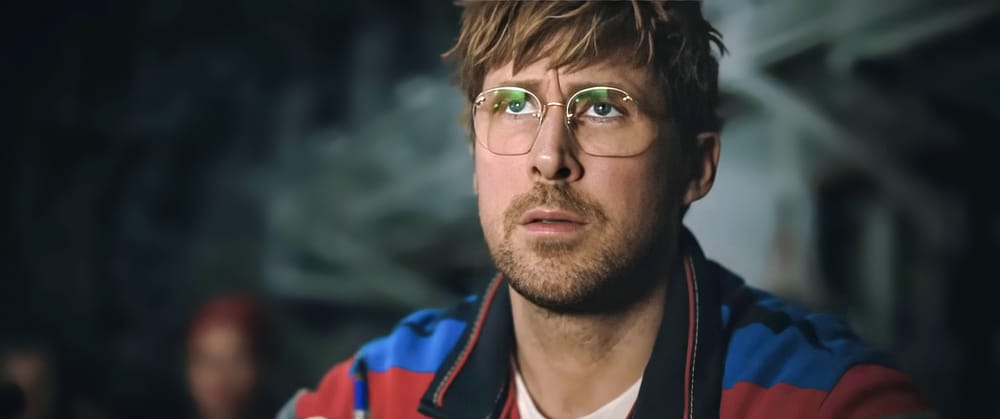
$12 million in preview screenings. That's what Project Hail Mary pulled in before its official opening—the biggest preview haul of 2026 so far, beating Scream 7's $7.8 million and positioning Amazon MGM's Ryan Gosling sci-fi adaptation as a legitimate theatrical event. For a studio that technically operates under a streaming parent, that's not just a strong number—it's a statement about how Amazon MGM is playing a completely different game than Netflix ever bothered to.
Amazon MGM didn't just dump Project Hail Mary into theaters as a PR gesture. The studio committed to a full theatrical rollout with proper marketing spend, preview screenings that built genuine anticipation, and a release strategy that treats the big screen as the primary venue—not a brief stopover before streaming. That's the opposite of Netflix's approach, which has spent years treating theatrical releases like contractual obligations rather than revenue opportunities. Netflix puts movies in theaters to qualify for awards, to satisfy talent deals, or to check a box. Amazon MGM is putting movies in theaters because it actually wants people to buy tickets.
The difference shows in the numbers. Project Hail Mary is based on Andy Weir's novel, the same author who wrote The Martian—a book-to-screen adaptation that made $630 million at the global box office in 2015. That IP has proven theatrical value, and Amazon MGM is treating it accordingly. Netflix, meanwhile, has struggled to turn its biggest originals into theatrical successes because it never builds the infrastructure for it. War Machine hit 39.3 million views in three days on Netflix, but the platform still can't translate streaming dominance into box office credibility. Amazon MGM is proving that you can do both—if you're willing to actually try.
What makes this especially notable is that Amazon MGM is operating under the same corporate parent as Prime Video, one of Netflix's direct competitors. The studio could easily follow Netflix's lead and treat theatrical as a vanity project. Instead, it's building a hybrid model that takes both revenue streams seriously. Prime Video is even sending Jack Ryan to theaters because it's realized that streaming IP is now valuable enough to risk the box office. That's a fundamentally different philosophy than Netflix's, which still treats theatrical like a concession rather than an opportunity.
The preview numbers also suggest that Amazon MGM understands how to market to audiences who still value the theatrical experience. Project Hail Mary is a big-budget, effects-driven sci-fi film with a movie star lead—exactly the kind of film that benefits from being seen on the largest screen possible. Amazon MGM leaned into that, building anticipation through preview screenings that rewarded early adopters and created word-of-mouth momentum before opening weekend. Netflix, by contrast, tends to drop its theatrical releases with minimal fanfare and then wonders why they don't break out.
This isn't just about one movie's preview performance. It's about whether streaming-adjacent studios are willing to invest in theatrical infrastructure as a real business rather than a legacy obligation. Romance adaptations have become Hollywood's most reliable counter-programming strategy because studios figured out how to serve audiences that streaming wasn't fully satisfying. Amazon MGM is doing the same thing with sci-fi—building a theatrical strategy that doesn't treat the format as an afterthought.
If Project Hail Mary delivers a strong opening weekend to match its preview numbers, it will confirm what Amazon MGM has been quietly building: a model where theatrical and streaming coexist as genuine priorities rather than competing interests. Netflix has spent years trying to convince Hollywood that theaters don't matter. Amazon MGM is betting that they still do—and putting real money behind it.
The $12 million preview haul isn't just a box office milestone. It's proof that when a streaming-backed studio actually commits to theatrical, audiences show up. Netflix could have figured this out years ago. Amazon MGM just did it first.