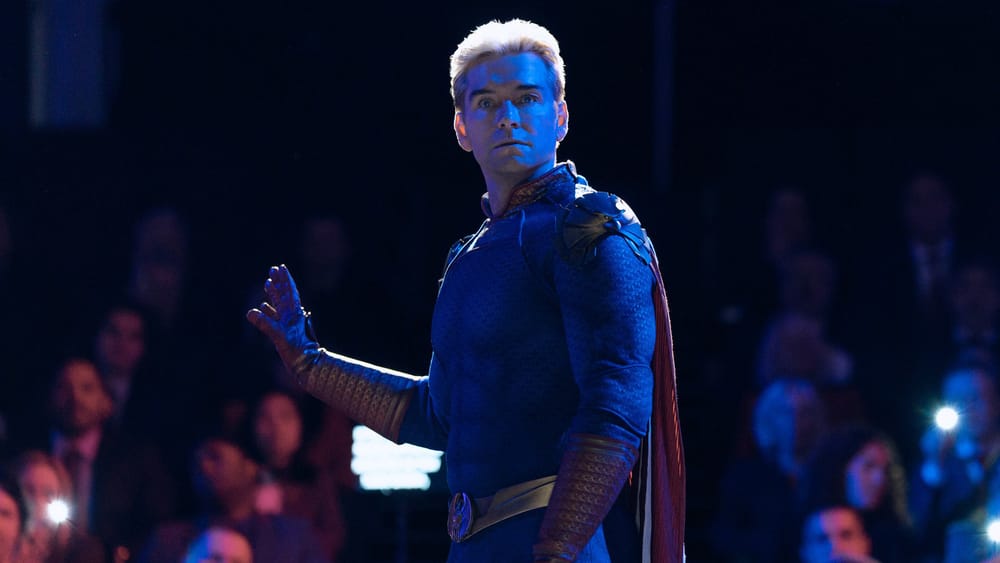
Eric Kripke told fans in a recent Deadline interview that The Boys' final season won't feature "full battle scenes" — not for creative reasons, but because the show "doesn't have 'Game of Thrones' budget." The admission landed like a confession. Here's one of Amazon Prime Video's flagship series, a show that helped define the platform's identity as a prestige alternative to Netflix, and its creator is publicly saying they can't afford the kind of finale audiences have been conditioned to expect from premium television.
The statement is remarkable not because it's surprising — anyone paying attention to streaming economics knew this was coming — but because Kripke said it out loud. Showrunners rarely acknowledge budget constraints in promotional interviews. They talk about creative vision, thematic resonance, emotional catharsis. Kripke promised those things too, describing the ending as "cathartic and emotionally satisfying." But he led with the money problem. That's the tell.
The Boys has been one of Amazon's most reliable performers since it launched in 2019. It's generated spinoffs, merchandise, cultural conversation, and the kind of brand recognition streaming platforms desperately need to justify their existence. If any show in Amazon's library should have the budget to go big in its final season, it's this one. But streaming doesn't work that way. Even successful shows operate within tighter financial constraints than their broadcast or cable predecessors, because the business model depends on subscriber retention, not individual show profitability. There's no syndication windfall. No backend deals that reward long-term value. Just the question of whether the show keeps people subscribed this quarter.
Game of Thrones had HBO money — which meant WarnerMedia money, which meant a decades-old infrastructure built on selling premium cable subscriptions at $15 a month to households that kept them for years. The show's final season cost an estimated $15 million per episode, and HBO could justify that spend because Thrones was the single biggest driver of subscriptions in the company's history. Amazon Prime Video, by contrast, is a loss leader for a retail and cloud computing empire. The entertainment division exists to make Prime memberships stickier, not to operate as a standalone profit center. That changes the math on how much you spend to end a show properly.
Kripke's framing also exposes a tension streaming platforms haven't resolved: how to manage audience expectations when the product looks like prestige TV but operates on fundamentally different economics. The Boys has always been expensive-looking — the gore effects alone cost real money — but it's never been lavish. It's been smart about where it spends. The show's best moments have been intimate, character-driven, and deeply uncomfortable in ways that don't require massive set pieces. Kripke knows this. His comment about emotional satisfaction over spectacle isn't damage control — it's the creative philosophy the show has always operated under. But he also knows that fans have been primed by a decade of Peak TV finales to expect big swings. The industry spent years training audiences to associate "prestige" with "expensive," and now individual creators are left explaining why their shows can't deliver on that promise.
The broader pattern here is that streaming's golden age of spending is over, and the shows that defined the last five years are ending in a different financial environment than the one they started in. Budgets are tighter. Seasons are shorter. The tolerance for risk is lower. Kripke's admission is just the most explicit version of a conversation happening across the industry: how do you end a show well when the resources that built it are no longer available?
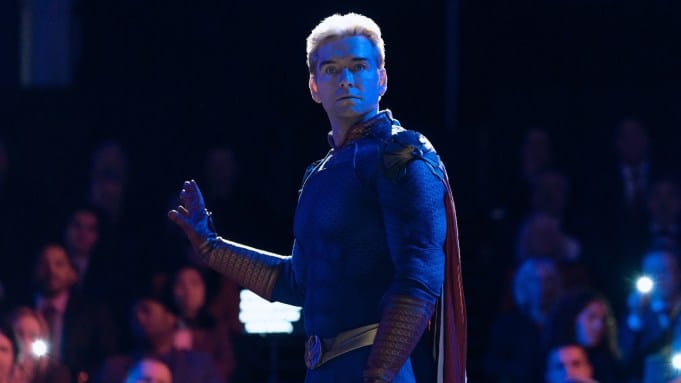
What's most telling is that Kripke felt the need to say this at all. He could have framed the final season's creative choices without mentioning money. He could have talked about how The Boys has always been more interested in character than spectacle, how the show's best scenes happen in small rooms with two people talking. All of that would be true. But he chose transparency instead, and that transparency is its own kind of signal. The creators who built streaming's reputation now have to manage its decline in real time — and they're doing it in public, one budget-constrained finale at a time.

The Boys ends later this year. It'll probably be good. Kripke has earned that trust. But it won't look like Game of Thrones, and not because it doesn't want to. The industry that made Peak TV possible doesn't exist anymore, and the shows that survive are the ones that figure out how to be great on a budget that reflects streaming's actual economics, not its promotional mythology.