At The Row's fall 2026 show in Paris, guests found boxes of fresh blackberries and sparkling water waiting at their seats. Not champagne. Not elaborate canapés. Not the kind of hospitality theater that luxury brands typically deploy to signal exclusivity. Just berries — whole, unprocessed, served in minimal packaging — and water. According to Vogue, this follows a pattern: previous Row shows have featured BLTs on white bread, wedges of cheese with crackers, and other snacks that feel less like luxury catering and more like what you'd pack for a thoughtful picnic.
The choice isn't incidental. Ashley and Mary-Kate Olsen have built The Row into one of the most respected luxury brands in fashion by stripping away everything that doesn't serve the work. The clothes are famously minimal, expensive, and built to last decades. The stores are quiet, nearly austere. The brand doesn't advertise, doesn't chase collaborations, and rarely grants interviews. The fashion show snacks follow the same logic: they're good, they're real, and they don't perform. A box of berries signals that The Row's version of luxury is about quality and restraint, not spectacle.
This approach directly contradicts the dominant hospitality language of luxury fashion, where brands compete to out-extravagance each other with champagne towers, multi-course seated dinners, and gift bags that cost more than most people's rent. Those gestures are designed to communicate wealth and access — to make attendees feel like they're inside an exclusive world. The Row's snacks communicate something different: that luxury doesn't need to announce itself. That the experience of sitting in a well-designed room, watching well-made clothes, is enough. The berries aren't trying to impress you. They're just there if you're hungry.
The hospitality strategy works because it's consistent with everything else The Row does. When Dior's fall 2026 collection bet that luxury's next customers are done being sold to, it was responding to the same cultural shift The Row has been ahead of for years: that the most discerning luxury consumers are exhausted by performance. They don't want to be impressed. They want to be respected. A blackberry respects your intelligence. It assumes you understand that a perfectly ripe piece of fruit, sourced well and served simply, is more valuable than a flute of mediocre champagne served because that's what luxury is supposed to look like.
It's also a form of brand discipline that's increasingly rare in an industry where luxury's confidence problem is becoming harder to ignore. When brands feel insecure about their position, they add more — more logos, more collaborations, more experiential stunts. The Row does the opposite. The snacks are a signal that the brand knows exactly what it is and doesn't need to convince you with excess. It's hospitality as brand philosophy: thoughtful, unpretentious, and so confident in its own value that it can serve you a BLT and trust that you'll understand.
The BLT is particularly instructive. It's not ironic. It's not a commentary on American diner culture or a winking nod to the Olsens' childhood. It's just a good sandwich, made with quality ingredients, served because people might be hungry during a long show day. The lack of conceptual framing is the point. Other brands would turn a sandwich into a statement — partner with a celebrity chef, create a limited-edition version, generate press around the "unexpected" choice. The Row just serves the sandwich. The confidence to do something well without explaining why you're doing it is a form of luxury most brands can't afford, because it requires actual conviction about your own taste.
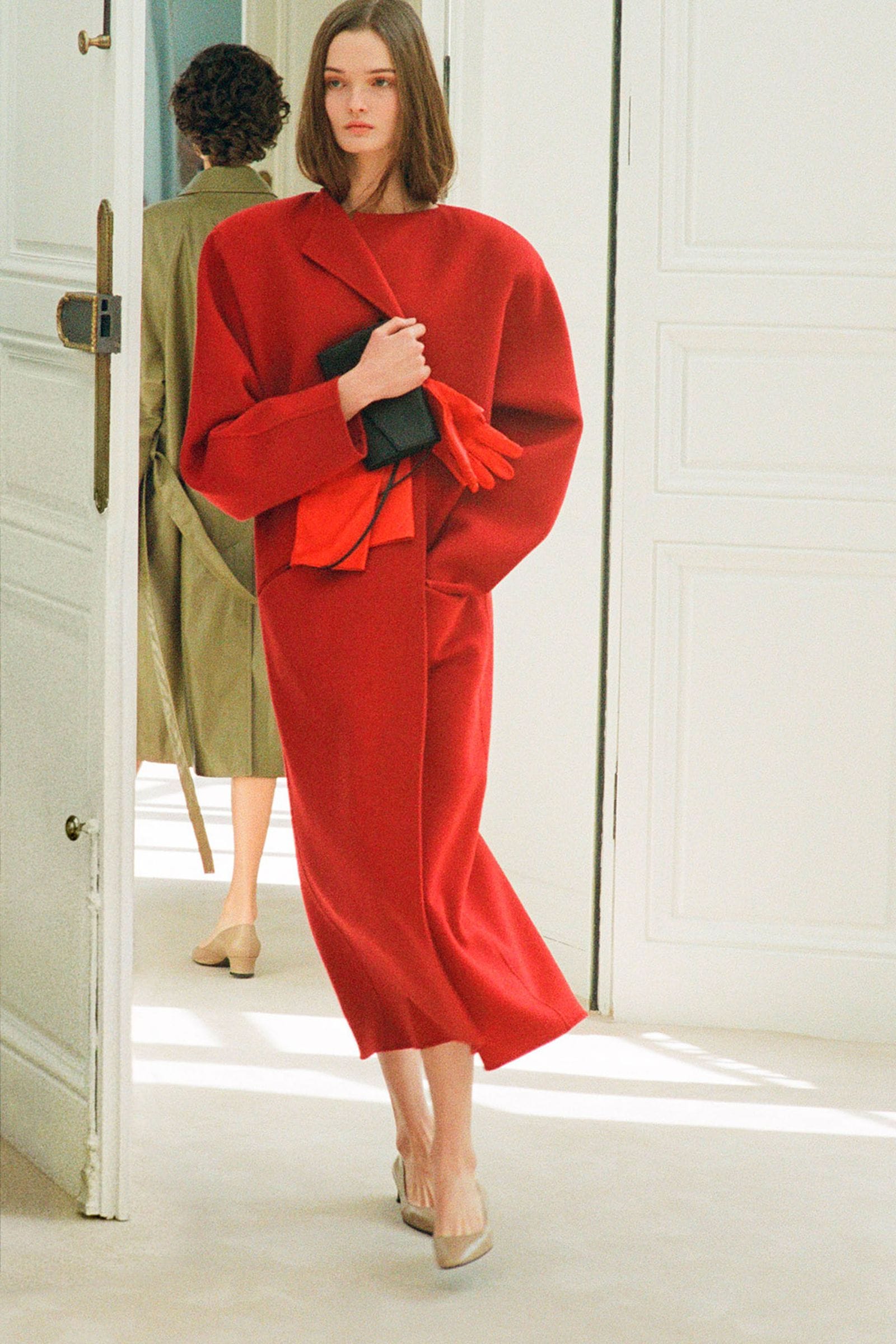
This philosophy extends beyond food. The Row's stores don't have loud music, aggressive lighting, or sales associates who perform enthusiasm. The clothes aren't styled in ways that tell you how to wear them. The brand's entire ecosystem is built on the assumption that if you're there, you already know. You don't need to be convinced, entertained, or guided. You need space to make your own decisions. The berries at the fashion show are part of that ecosystem: they're there if you want them, good if you eat them, and entirely uninterested in performing luxury for you.
The broader implication is that The Row is redefining what luxury hospitality can look like in fashion. Where other brands use food and drink as status markers, The Row uses them as evidence of taste — not the kind of taste that performs for an audience, but the kind that simply knows what's good. A perfectly ripe blackberry, served at the right moment, is a luxury. It just doesn't look like one if you're expecting caviar. And that's exactly the point.
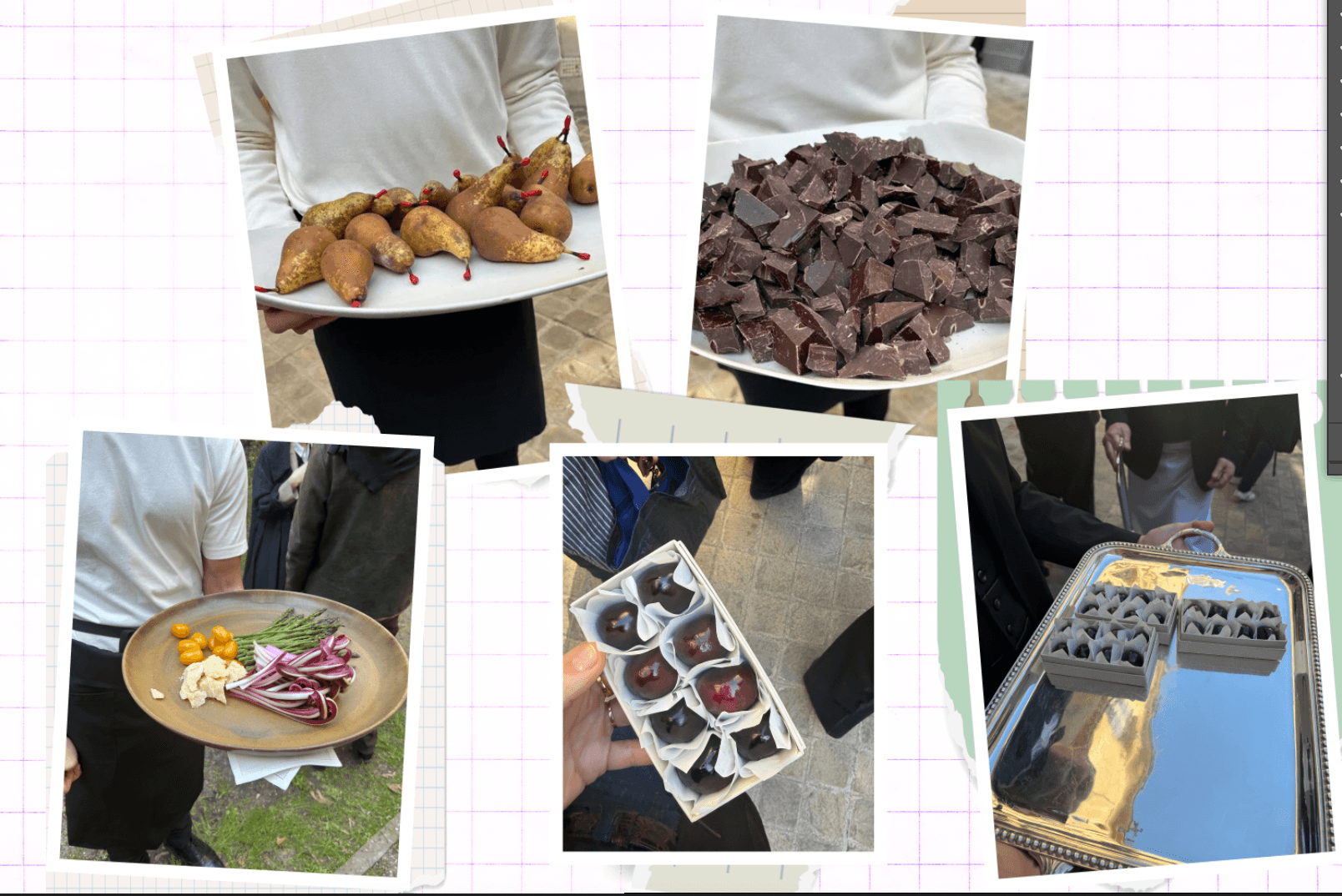
What makes this strategy particularly effective is that it can't be easily copied. Other brands could start serving berries tomorrow, but without the underlying brand discipline and philosophical consistency, it would read as affectation. The berries work because they're part of a coherent worldview about what luxury is and who it's for. They work because The Row has spent years building a reputation that allows a box of fruit to communicate more than another brand's champagne tower. They work because the people sitting in those seats understand that they're being offered something rare: a luxury brand that trusts them enough not to perform.