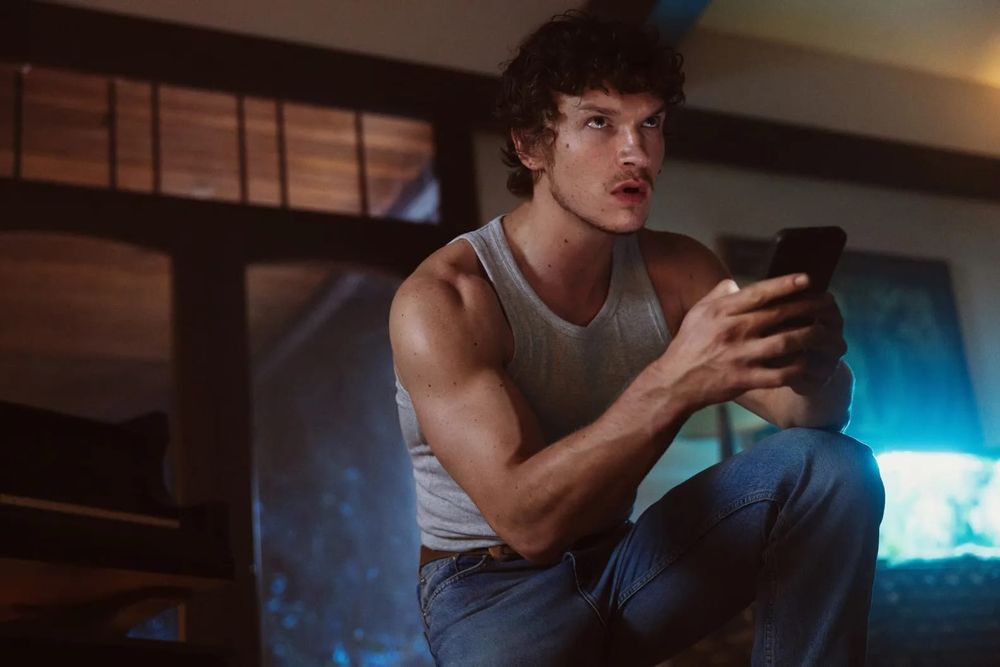
Verizon just released a four-minute slasher film parody called "Look Behind You," starring Connor Storrie — the actor from Prime Video's Heated Rivalry whose backside became a recurring internet fixation — and directed by Nia DaCosta, fresh off 28 Years Later: The Bone Temple and a high-profile appearance with Storrie at the Vanity Fair Oscar party. The short plays like a horror trailer where Storrie is both the final girl and the threat, stalked by his own famously taut posterior in a self-aware joke that only works if you're already in on it.
The campaign doesn't try to introduce Storrie to a general audience. It assumes you already know why his ass is funny, why DaCosta directing this matters, and why the pairing of prestige horror filmmaker and internet thirst object is the joke. Verizon isn't creating a meme here — it's renting one that already exists, fully formed, with an engaged audience that doesn't need a setup.
This is the new math of brand advertising in 2026: find a cultural object the internet has already made viral, hire the person at the center of it, and let the in-joke do the work. It's faster than traditional celebrity endorsement, cheaper than trying to manufacture virality from scratch, and more effective because the audience feels like they're in on it rather than being sold to. Verizon didn't make Connor Storrie's backside famous. The internet did that. Verizon just wrote the check.
The shift matters because it changes what brands are buying. Traditional celebrity campaigns paid for reach — the number of people who recognized a face. Meme-driven campaigns pay for engagement and cultural fluency. The audience for "Look Behind You" isn't everyone who watches TV. It's the specific overlap of people who watched Heated Rivalry, saw the thirst tweets, followed the Oscar party discourse, and understand why DaCosta's involvement makes this funnier. That's a smaller audience, but it's a more valuable one — because they're more likely to share it, talk about it, and treat it like content they discovered rather than an ad they were served.
DaCosta's participation is doing double work here. She brings prestige credibility — a director who just helmed a major studio horror sequel slumming it in a Verizon ad signals that the brand is in on the joke, not trying too hard. But her presence also validates the campaign within film and internet culture circles, the same way L.L. Bean's quiet acknowledgment of Paul Anthony Kelly's past signaled that brands now have to respond to internet discourse rather than ignore it. The message is clear: this isn't a cynical cash grab. This is a collaboration with people the internet already cares about.
The slasher-spoof format is deliberate too. Horror parody has become the go-to genre for self-aware brand content because it allows maximum camp, maximum self-reference, and maximum visual flexibility. You can do a lot in four minutes of fake trailer without needing a plot that makes sense. The genre's built-in absurdity gives brands permission to be weird in ways a traditional 30-second spot never would. And because horror fans are chronically online and treat genre knowledge as cultural capital, a well-executed parody gets shared within those communities as a signal of taste, not dismissed as advertising.
What Verizon is doing here is part of a larger pattern: brands increasingly function as distributors and financiers of internet culture rather than creators of it. They find the virality, hire the talent, give them a budget and a brand message to work around, and let the existing fandom do the marketing. It's the same logic behind Gaggl's creator-hosted TV model — the audience already trusts the creator, so the platform's job is just to provide infrastructure and scale.
The risk, of course, is that this only works as long as the meme is still warm. Storrie's backside is funny now because Heated Rivalry is still in cultural circulation and the Oscar party photos are recent. In six months, this campaign will either look like smart timing or a dated reference that aged badly. But that's the trade-off: meme-driven campaigns have a shorter shelf life than traditional celebrity endorsements, but they're cheaper to produce and faster to deploy. Verizon isn't trying to build a long-term brand ambassador relationship with Storrie. It's capitalizing on a moment.
The broader lesson for brands is that the internet has already built the virality infrastructure. The memes exist. The fandoms exist. The discourse exists. The only question is whether brands are willing to pay to access it — and whether they're smart enough to let the joke stay intact instead of sanding down the edges to make it advertiser-friendly. Verizon, at least for now, seems to understand that the value isn't in explaining the joke. It's in letting the people who already get it feel seen.