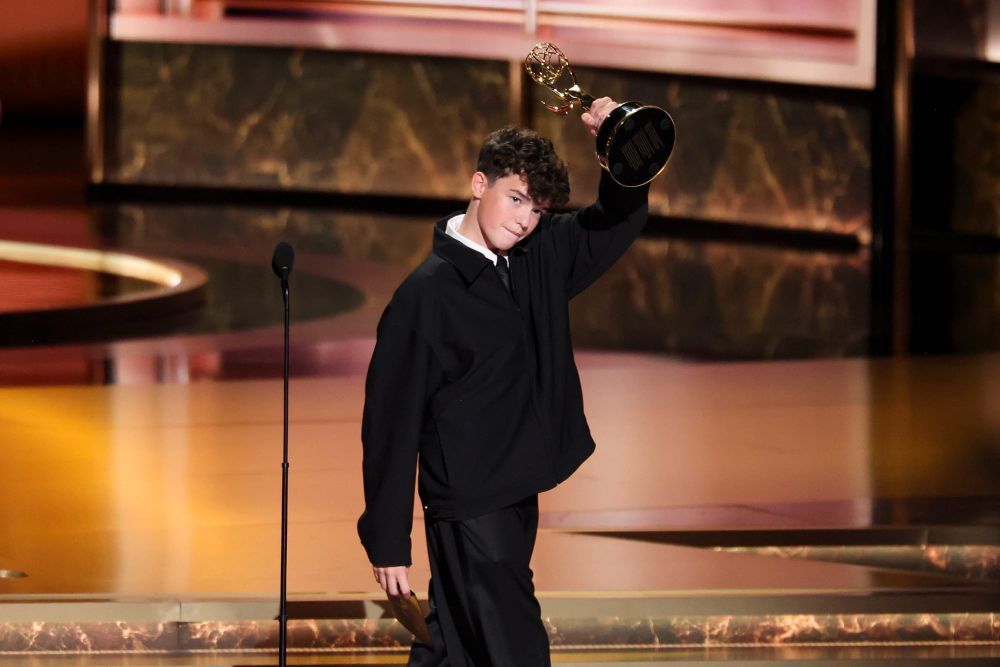
Netflix's Adolescence landed 11 BAFTA TV Award nominations across the TV and craft categories, including five acting nods. The one-shot drama — filmed in a single continuous take — barreled into the cultural conversation months ago, dominated social media for approximately three weeks, then quietly receded into the algorithm's back catalog. But the awards party, as Deadline notes, ain't over yet. The nominations ensure Adolescence remains in the prestige conversation through spring, long after most viewers have moved on to whatever Netflix queued up next.
This is how Netflix's awards machine works now. The show doesn't need to stay in the zeitgeist — it just needs to stay in the awards circuit long enough to collect trophies that can be leveraged in marketing materials, creator recruitment pitches, and subscriber retention messaging. Adolescence was built for this. The one-shot gimmick gave it technical credibility. The ensemble cast gave it acting showcase moments. The prestige pedigree gave it the institutional legitimacy that BAFTA voters respond to. Netflix didn't need the show to be a cultural phenomenon for years. It needed it to be a cultural phenomenon for long enough to seed the awards pipeline.
The strategy is working. Five acting nominations mean five separate campaigns, five separate press cycles, five separate opportunities to remind voters — and subscribers — that Netflix is still in the prestige business. It's the same playbook the streamer used with The Crown, Stranger Things, and every limited series designed to win awards rather than build fandoms. Awards season is a power management system that happens to hand out trophies, and Netflix has spent the last decade learning how to game it more efficiently than legacy studios ever did.
What's notable about Adolescence is how quickly it disappeared from conversation relative to how long its awards momentum has lasted. The show dropped, trended, and faded within a single quarter. But the awards calendar runs on a different timeline. BAFTA TV nominations arrive in March. The ceremony happens in May. Emmy nominations hit in July. By the time the awards cycle finishes, Adolescence will have been part of the industry conversation for nearly a year — despite most viewers forgetting it existed by February.
This disconnect between cultural staying power and awards longevity is increasingly common in the streaming era. Shows don't need to be Mad Men — building audience loyalty over seven seasons — to win awards. They just need to be loud enough at launch to generate the critical consensus that carries through awards season. Streaming platforms have learned that brand equity matters more than individual show performance, and awards are the most efficient way to build that equity without requiring sustained audience engagement.
The 11 BAFTA nominations also function as insurance. If Adolescence wins even a handful of categories, Netflix can market it as "award-winning" in perpetuity. The show becomes catalog content with added prestige value — something the algorithm can surface to new subscribers as proof that Netflix still makes "important" television, not just true crime documentaries and reality dating shows. The nominations alone justify the production budget, even if the show never generates the kind of rewatchability that drives long-term subscriber retention.
What Netflix has figured out — and what legacy networks are still catching up to — is that awards season doesn't require sustained cultural relevance. It requires a specific kind of institutional credibility that can be manufactured through casting, technical ambition, and strategic release timing. Adolescence checked every box. The one-shot format gave it craft credibility. The ensemble cast gave it acting showcase moments. The prestige pedigree gave it the institutional legitimacy that voters respond to. The show was engineered for this moment, and the BAFTA nominations confirm the engineering worked.
The real test will be whether Adolescence converts nominations into wins. If it does, Netflix will have successfully turned a show most people forgot into a prestige asset that justifies its place in the streaming wars. If it doesn't, the nominations alone will still serve their purpose — reminding the industry that Netflix can manufacture awards contenders on demand, even when the cultural conversation has already moved on. Either way, the one-shot gamble paid off. The show may have faded from conversation, but the awards machine is still running.