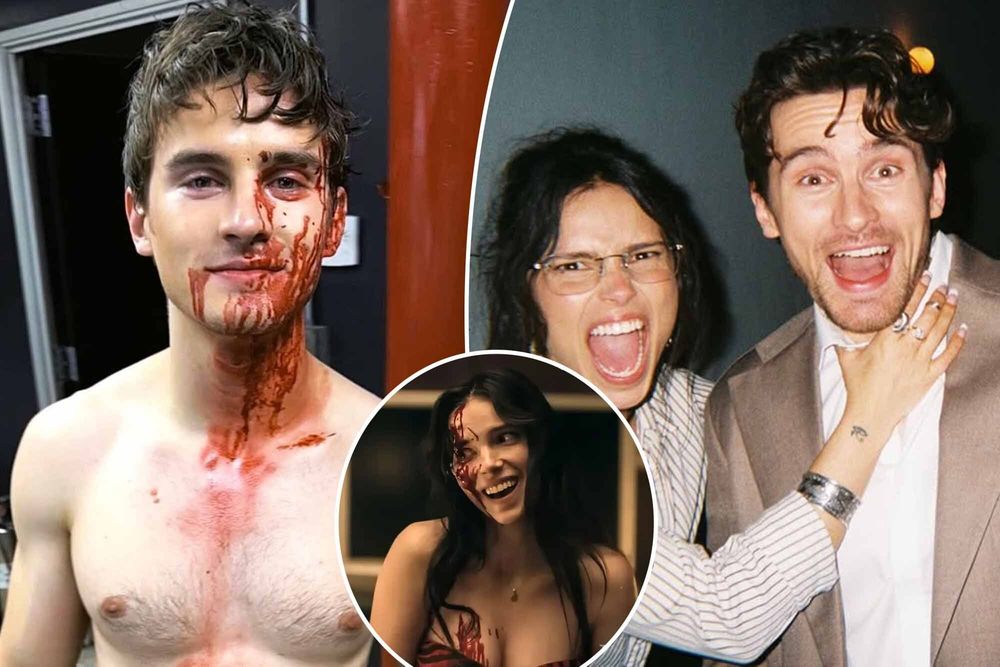
A horror film with no recognizable movie stars just made $100 million at the box office. The biggest name in Obsession is Andy Richter—a comedian best known as Conan O'Brien's sidekick. The leads are Michael Johnston and Inde Navarrette, actors whose primary followings live on YouTube and TikTok, not theatrical marquees. And yet the film became one of 2026's surprise box office successes, pulling in a hundred times its production budget on the strength of an audience Hollywood didn't know how to reach.
This isn't a fluke. It's a business model. Obsession represents the maturation of a distribution strategy that's been building quietly for years: cast creators with built-in digital audiences, make the film for cheap, market it directly to their followers, and watch the theatrical revenue stack up without spending a dime on traditional advertising. The film's success, as reported by Page Six, isn't just about one movie—it's about the collapse of Hollywood's most fundamental assumption: that you need stars to sell tickets.
For decades, the theatrical business ran on a simple equation: big names equal big openings. Studios paid A-listers $20 million per picture not because they were worth it creatively, but because their faces on a poster guaranteed a certain floor of ticket sales. That floor justified the marketing spend, which justified the production budget, which justified the entire apparatus of the Hollywood star system. Obsession just proved the floor exists without the stars—if you know where to look.
The film's leads aren't unknown. They're differently famous. Johnston has millions of followers across platforms. Navarrette built her audience through a mix of acting work and direct fan engagement that traditional stars avoid. Their followers aren't passive—they're invested. They've been watching these actors for years, not in carefully managed press tours, but in unscripted YouTube videos, Instagram Stories, and TikTok clips. When the film was announced, the marketing didn't need to introduce the stars. The stars were the marketing.
This is the inversion Hollywood feared but never prepared for. The traditional model assumed that fame flowed downward: studios made stars, stars made movies profitable, movies made more stars. Obsection flipped it. The creators made their own fame, and the studio rented their audience. The film became a vessel for an existing relationship between performer and fan base—a relationship the studio didn't build, doesn't control, and can't replicate with traditional casting.
Horror has always been the genre where this model works best. Low budgets, high concepts, and young audiences—the same demographic that lives on YouTube and TikTok. Indie horror's episodic model has already outpaced AAA game development, and theatrical horror is catching up. Obsession didn't need to compete with Marvel's effects budget or a prestige drama's Oscar campaign. It needed to scare people and give them something to post about. Mission accomplished.
The film's $100 million gross isn't just impressive—it's scalable. If a no-name horror film can do this once, it can do it again. And again. Studios are already taking notes. The next wave of low-budget genre films won't cast unknowns hoping to break out. They'll cast YouTube stars with verified follower counts and engagement metrics that make traditional box office tracking look like guesswork.

This strategy has limits. YouTube fame doesn't automatically translate to every genre. A YouTube star can carry a horror film or a teen comedy—genres where the audience skews young and digital-native. But a prestige drama? A historical epic? Those still require the cultural weight of traditional stardom, the kind that comes from years of critically acclaimed work and red carpet credibility. Ryan Gosling can sell emotional stakes opposite a CGI alien because his career earned that trust. A YouTube star with 10 million followers hasn't.
But Hollywood's mistake is assuming that limitation protects the old system. It doesn't. It just means the old system gets smaller. Prestige films, awards contenders, and big-budget spectacles will still need traditional stars. Everything else—the mid-budget thrillers, the horror films, the romantic comedies, the action vehicles—can now bypass the star system entirely. And that's most of Hollywood's output.
The economic pressure is already visible. Even Amazon's biggest hits can't afford the battle scenes they used to. Budgets are tightening. Star salaries are under scrutiny. Studios are looking for ways to reduce risk without sacrificing box office potential. Casting YouTube stars with built-in audiences is the obvious move—and Obsession just proved it works at scale.
The film's success also exposes a uncomfortable truth for traditional actors: they're competing with people who don't need Hollywood's infrastructure to build a career. A YouTube creator can make a living, build a fan base, and develop their craft without ever stepping on a studio lot. When they do cross over into theatrical work, they bring their audience with them. Traditional actors, meanwhile, are entirely dependent on studios to give them roles, market their films, and maintain their public profiles. The power dynamic just shifted.
Hollywood's response will be predictable: sign the YouTube stars to traditional deals, try to control their output, and replicate the old model with new faces. Some creators will take those deals. Others won't. The smartest ones will realize they don't need Hollywood's approval anymore—they just need Hollywood's distribution. And studios, desperate for reliable box office returns, will give it to them.
Obsession didn't just make $100 million. It made a case study. The next generation of genre filmmaking won't ask whether YouTube stars can carry a movie. It will ask why you'd cast anyone else.