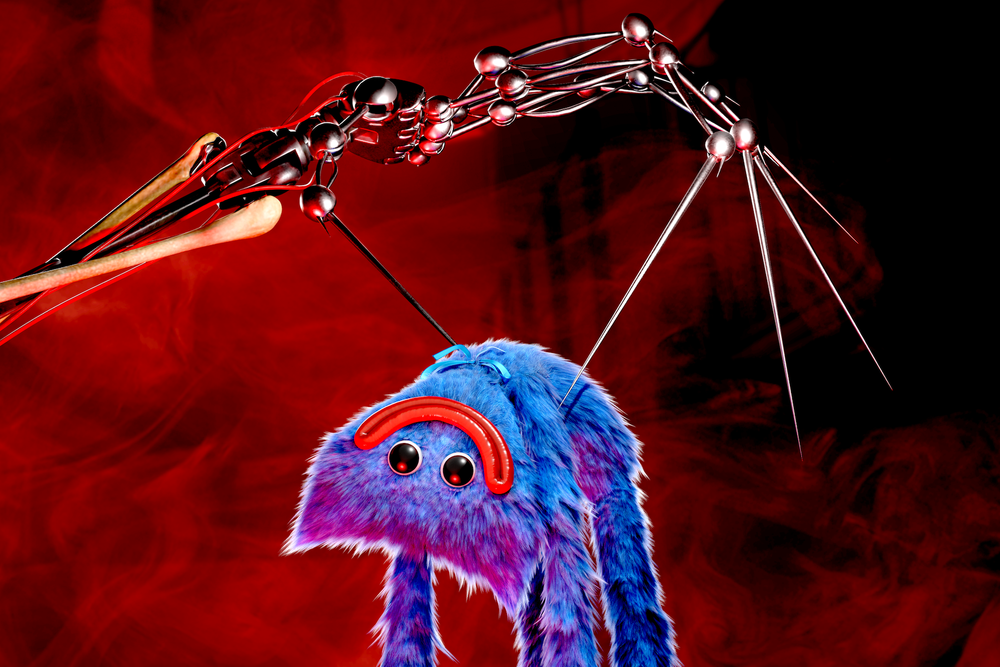
Mob Entertainment launched Poppy Playtime: Chapter 5 on February 18 and sold 110,000 units in three hours. By the end of Day 1, that number hit 175,000. A week later, the indie survival horror game had moved 275,000 copies — all without a single microtransaction, season pass, or live service hook.
The numbers, reported by Variety, break every previous record the franchise set across its first four chapters. But the real story isn't the sales velocity — it's the business model those sales validate. While AAA studios chase $200 million budgets and live service dreams that collapse under their own weight, Mob Entertainment built a franchise on episodic chapters released annually, priced at $9.99 each, with zero ongoing monetization pressure. Chapter 5's launch proves the model works at scale.
Episodic gaming isn't new. Telltale Games pioneered the structure in the 2010s with The Walking Dead and The Wolf Among Us, delivering narrative-driven experiences in digestible chunks. But Telltale's model relied on licensed IP and collapsed when the company couldn't sustain production costs against inconsistent sales. Poppy Playtime learned from that failure. Mob Entertainment owns the IP outright, controls production budgets tightly, and built a release cadence that keeps players engaged without burning out the studio. Each chapter takes roughly a year to develop, giving the team time to refine mechanics and expand the world while maintaining momentum with a fanbase that skews young and extremely online.
That fanbase is the other half of the equation. Poppy Playtime didn't break through via traditional marketing — it exploded on YouTube and TikTok, where horror gaming content thrives on reaction videos, theory crafting, and lore analysis. The game's toy-factory-turned-nightmare aesthetic and mascot horror design (think Five Nights at Freddy's meets Bendy and the Ink Machine) are built for shareable moments. Players encounter grotesque toy monsters, solve environmental puzzles, and uncover fragmented narrative beats that fuel speculation between chapters. That speculation keeps the community active during the year-long gaps between releases, effectively turning the episodic structure into a feature rather than a limitation.
The financial sustainability of this model stands in sharp contrast to the AAA live service catastrophes that dominated 2025. Epic Games cut 1,000 jobs after Fortnite engagement plateaued, proving even billion-dollar platforms can't outrun saturation. Meanwhile, studios like Rocksteady and BioWare released live service games (Suicide Squad: Kill the Justice League, Dragon Age: Dreadwolf) that failed to retain players past the first month, burning through budgets that could have funded a dozen indie studios. Poppy Playtime operates on a fraction of those budgets, employs a smaller team, and generates consistent revenue without requiring players to log in daily or spend beyond the initial purchase price.
Mob Entertainment is also expanding the IP beyond gaming. The studio has a film adaptation in development, a strategy that mirrors gaming IP's growing parity with film franchises in theme park and entertainment investments. But unlike studios that rush adaptations before the game's narrative is complete, Mob is waiting until the game's story concludes — Chapter 6 is confirmed as the finale — before moving into film. That discipline, rare in an industry that treats every viral moment as a franchise opportunity, suggests the studio understands the difference between sustainable IP development and cash-grab exploitation.
The episodic model also sidesteps the production hell that plagues AAA development. Games like Grand Theft Auto VI and The Elder Scrolls VI spend a decade in development, accruing costs that require tens of millions of sales to break even. Poppy Playtime chapters release annually, generate immediate revenue, and fund the next installment without needing to gamble on a single $70 launch. If a chapter underperforms, the studio adjusts. If it overperforms — as Chapter 5 did — the momentum carries into the next release. It's a model built for iteration, not perfection, and it's working.
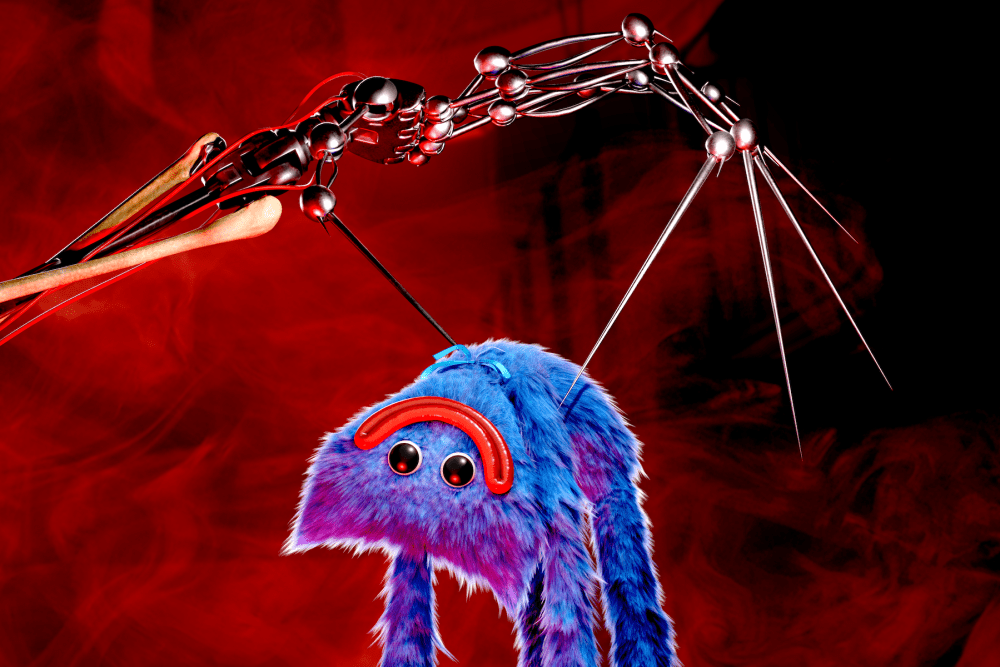
Chapter 5's success also arrives at a moment when horror gaming is having a renaissance. A24 is adapting internet horror aesthetics into film, and studios are rediscovering that horror doesn't need photorealistic graphics or open-world sprawl to connect with audiences. Poppy Playtime runs on Unreal Engine with stylized visuals that prioritize atmosphere over fidelity, keeping production costs manageable while delivering scares that land. The game's aesthetic — bright primary colors corrupted into something sinister — is distinctly Gen Z, pulling from the same visual language as analog horror and creepypasta culture.
Mob Entertainment hasn't announced a release window for Chapter 6 yet, but if the studio sticks to its annual cadence, expect it in early 2027. The question isn't whether the finale will sell — it will. The question is whether other indie studios recognize what Poppy Playtime just demonstrated: episodic development, owned IP, and community-driven marketing can build a sustainable franchise without chasing AAA budgets or live service fantasies. The model is right there. The sales numbers prove it works. Now the industry has to decide if it's willing to build smaller and smarter instead of bigger and riskier.