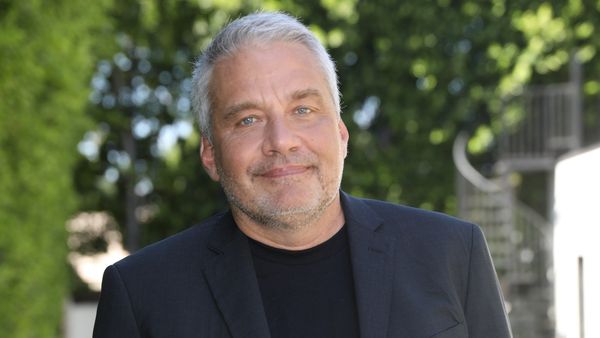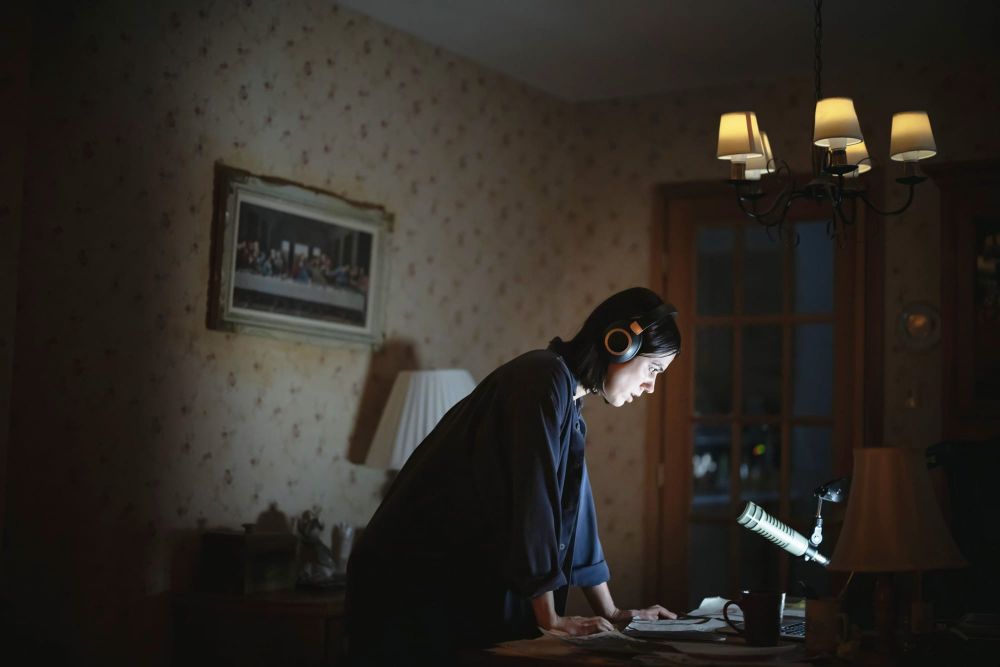
A director making their A24 debut just listed Slender Man and Stanley Kubrick as co-equal influences. That's not a quirky juxtaposition—it's a structural shift in what counts as legitimate filmmaking source material.
Ian Tuason's Undertone, his first feature for the studio, draws from creepypasta culture and classic horror cinema with the same reverence, according to GQ. The director cited internet folklore—specifically Slender Man, the crowdsourced horror figure that emerged from Something Awful forums in 2009—alongside Kubrick's meticulous visual language as foundational to the film's aesthetic and narrative structure. The fact that this pairing doesn't read as incongruous anymore is the story.
Creepypasta has been culturally relevant for over a decade, but its legitimacy as a filmmaking influence has lagged behind its actual impact. Directors who grew up online have always known these stories—collaborative, iterative, designed to spread—but citing them publicly in the same breath as auteur cinema would have felt like undercutting your own seriousness five years ago. Tuason doing it now, in the context of an A24 release, suggests the industry has caught up to what a generation of filmmakers already understood: internet folklore is as rich a storytelling tradition as any canonical text.
Slender Man specifically represents a different model of myth-making than traditional horror. The character wasn't authored—it was collaboratively built across forums, fan art, found-footage YouTube series, and eventually tragic real-world violence that forced a cultural reckoning. That crowdsourced, decentralized creation process mirrors how stories circulate and mutate online now. A director pulling from that tradition isn't just borrowing an aesthetic—they're working with narrative structures that reflect how audiences actually consume and reshape media in 2026.
The Kubrick half of the equation matters too, because it establishes that Tuason isn't abandoning classical filmmaking rigor. Kubrick's influence tends to show up in precision, control, and visual obsessiveness—qualities that don't naturally align with the rough, participatory energy of creepypasta. The combination suggests Undertone is attempting something specific: taking internet horror's collaborative, unstable storytelling and giving it the formal discipline of auteur cinema. That's a harder needle to thread than it sounds, and whether it works will depend on execution. But the ambition itself is notable.
A24 has become the studio where this kind of genre hybridity gets institutional support. The company has built its brand on elevated horror that takes its influences seriously, whether those influences come from Bergman or Reddit. Warner Bros. asked Maggie Gyllenhaal to cut violence from The Bride!—a reminder that most legacy studios still treat genre filmmaking as something to be sanitized for broader appeal. A24's willingness to let directors cite creepypasta without defensiveness is part of why the studio has become the default home for filmmakers who want to make horror that doesn't apologize for its sources.
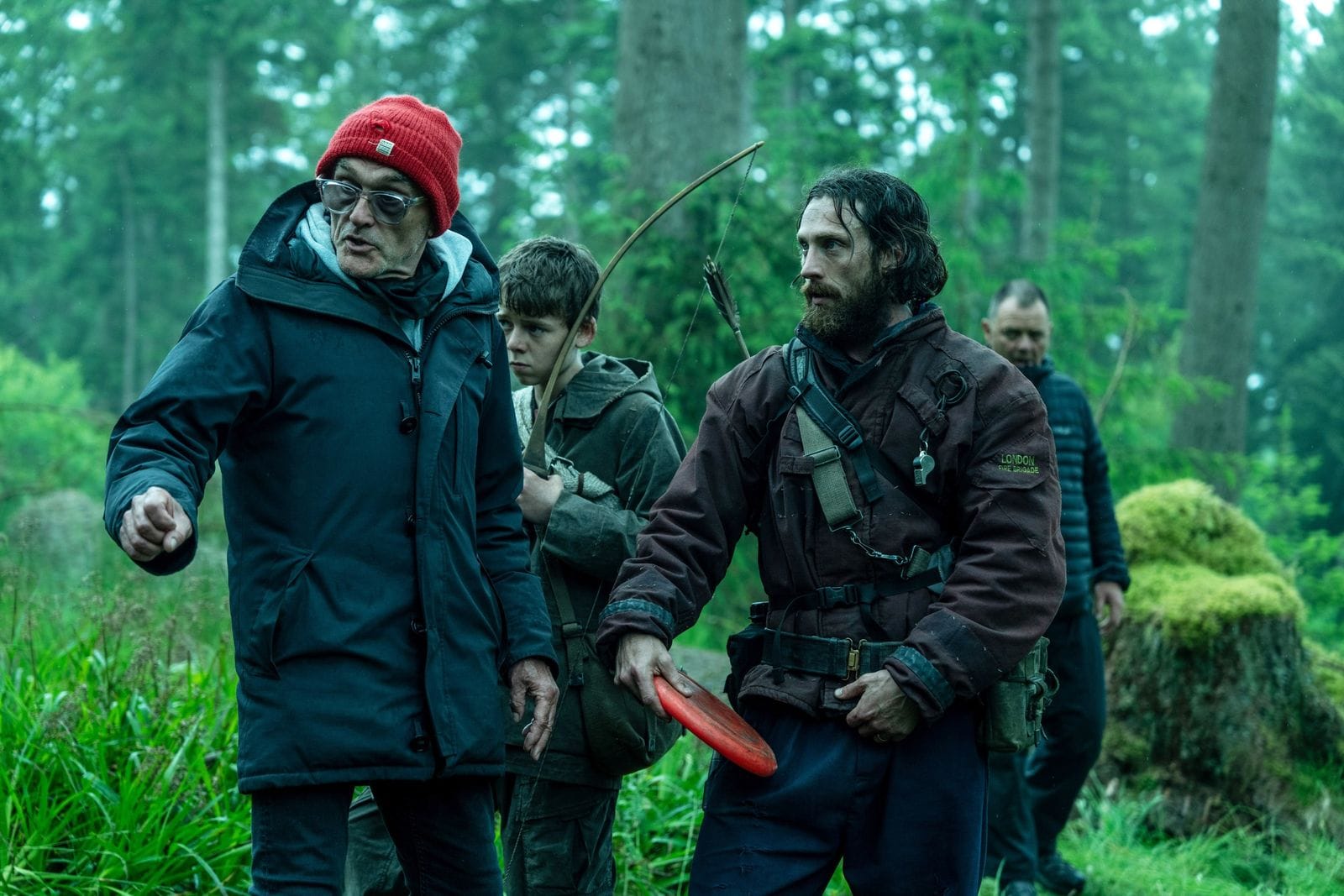
The broader shift here is that internet culture has stopped being treated as a lesser tier of influence. Directors who came up watching YouTube horror shorts and browsing SCP Foundation wikis are now making studio films, and they're not pretending those experiences didn't shape their sensibilities. Gyaru Bulbasaur turned Pokémon into a meme template, not a childhood memory—a similar dynamic where internet remixing becomes the primary cultural text, not a derivative one.
Tuason's influences also point to a practical reality: horror filmmaking has always been about constraint and atmosphere, and creepypasta excels at both. The best creepypasta works within severe limitations—text-only forums, low-budget YouTube channels, still images with implied narratives—and generates dread through suggestion rather than spectacle. That's closer to how Kubrick built tension in The Shining than how most contemporary horror operates. The through-line isn't as strange as it first appears.
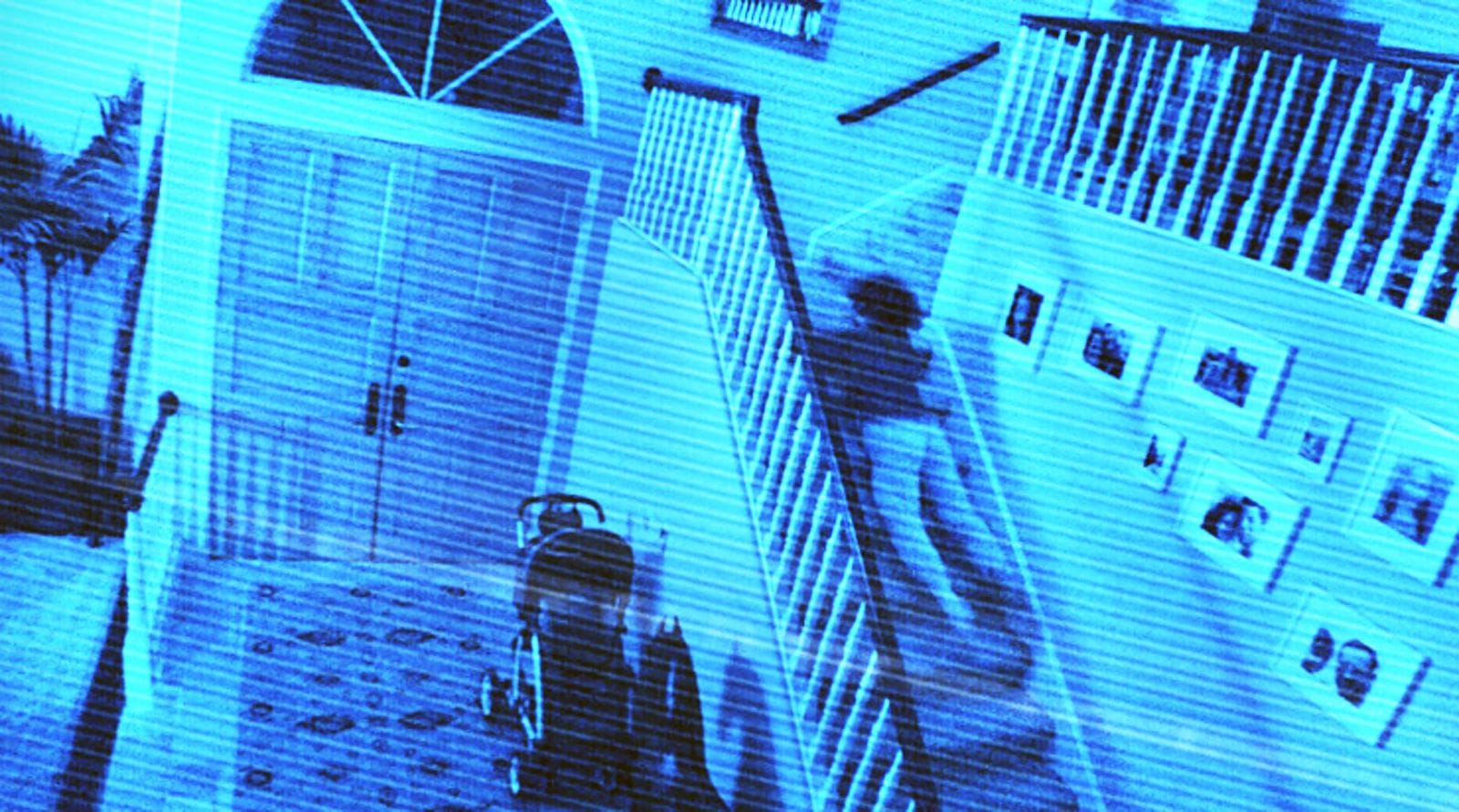
What makes this moment different from earlier internet-to-film adaptations—like the disastrous 2018 Slender Man feature—is that Tuason isn't trying to monetize a meme. He's treating the underlying storytelling structures and visual language of creepypasta as legitimate craft traditions worth studying. That distinction is what separates exploitation from influence. The former assumes internet culture is a trend to capitalize on. The latter assumes it's a medium with its own grammar, worthy of the same respect as any other cinematic lineage.