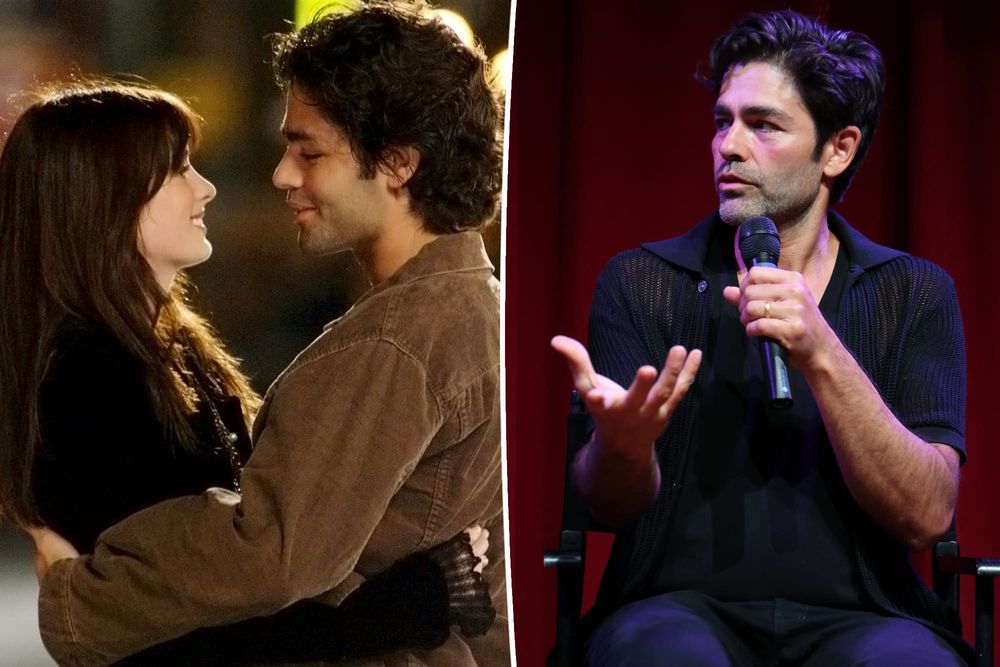
Adrian Grenier showed up in an Uber Eats ad this week wearing a chef's coat and holding a whisk—not because he's launching a restaurant, but because his character Nate Cooper got written out of The Devil Wears Prada sequel and the internet spent years calling him the movie's real villain. The ad doesn't explain where Nate went. It just leans into the joke: he's a chef now, apparently unbothered, and Uber Eats is delivering his food.
It's a smart piece of brand strategy disguised as a punchline. Grenier didn't need to address Nate's absence—most actors would ignore it entirely or issue a diplomatic non-statement through a publicist. Instead, he turned it into content that works on two levels: it's funny if you know the discourse, and it's still legible if you don't. The ad functions as both a wink to fans who spent years dissecting Nate's emotional manipulation and a product placement that doesn't feel like it's trying too hard. Uber Eats gets to rent the cultural moment without having to create it themselves.
The broader move here is how sequels are now being shaped—or at least marketed—around internet revisionism. The Devil Wears Prada came out in 2006, and for years the consensus read Andy's boyfriend as supportive, if slightly boring. Then TikTok and Twitter spent the last half-decade recontextualizing his behavior: the guilt trips, the dismissiveness, the way he treated Andy's career like a phase she'd grow out of. By the time the sequel was announced, Nate had been retroactively recast as the antagonist, and the studio's decision to leave him out felt less like a creative choice and more like damage control.
That's the new creative constraint for legacy IP: you can't just continue the story you told twenty years ago. You have to contend with the story the internet decided you told. It's the same dynamic that killed Hulu's Buffy revival before it started—too much cultural baggage, too many debates about what the original actually meant, too little room to maneuver without alienating someone. The difference is that Devil Wears Prada 2 seems to have read the room early and made the executive decision to just… not bring Nate back.
Grenier's ad is what happens when an actor realizes the discourse isn't going away and decides to monetize it instead of fighting it. It's the same instinct that turned Zendaya and Law Roach's relationship rumors into a brand performance—when the narrative is already out there, you might as well control how it lands. The chef bit is deliberately vague, which is the point. It doesn't confirm where Nate is or what he's doing. It just acknowledges that he's not in the sequel and that everyone already has an opinion about why.
The ad also functions as a test case for how actors navigate getting written out of franchises in the age of fan discourse. Twenty years ago, this would've been handled with silence or a vague quote about "scheduling conflicts." Now, the absence itself is content, and the actor who got cut can turn it into a brand deal that performs better than a defensive statement ever would. Grenier didn't have to explain himself. He just had to show up in a kitchen and let the internet fill in the rest.
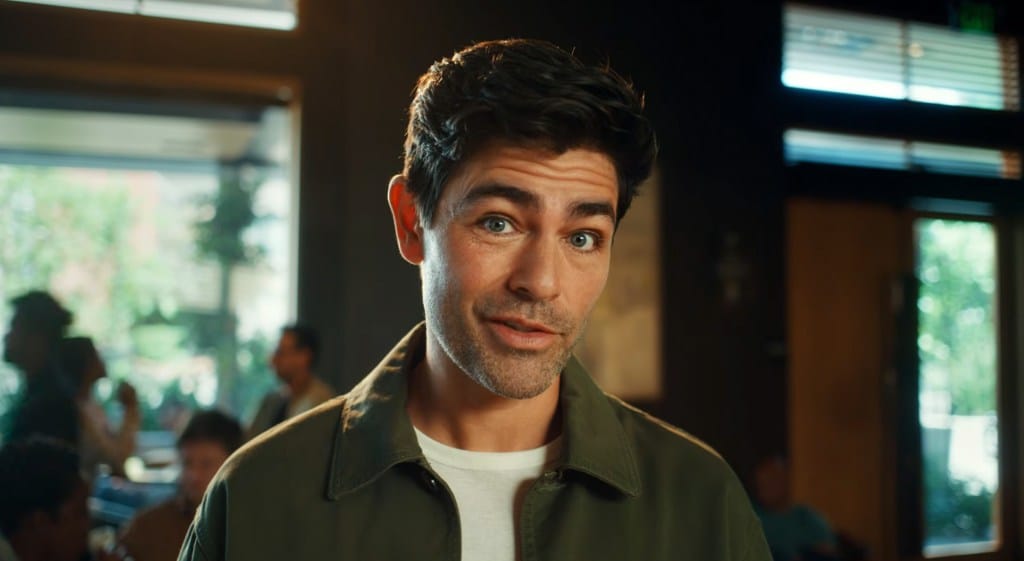
What makes this work is that it's not defensive. Grenier isn't arguing that Nate was misunderstood or that the internet got it wrong. He's just acknowledging the reality: his character became the villain in retrospect, and the sequel moved on without him. The ad treats that as a fact, not a controversy, which is the only way to handle it without making it worse. It's the same approach Hollywood's learning to take with legacy IP—you can't fight the revisionism, so you lean into it and hope the joke lands before the discourse does.
The bigger shift is what this means for how sequels get marketed. Studios used to control the narrative around legacy characters. Now, the internet rewrites the original, and by the time the sequel arrives, the creative team is already playing defense. The Devil Wears Prada 2 didn't just cut Nate—it had to preemptively explain his absence in a way that satisfies an audience who spent years building a case against him. Grenier's ad is the closest thing to an official acknowledgment that the internet was right, and the movie's better off without him.
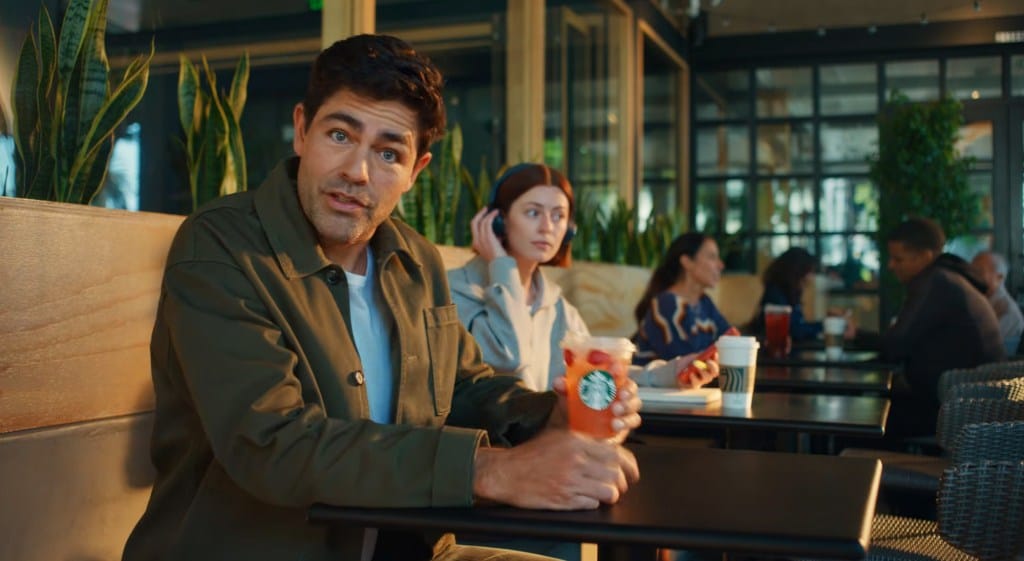
The question is whether this becomes the standard playbook: when a character gets written out because the discourse turned against them, does the actor just make an ad about it and move on? It's a cleaner solution than a press tour full of diplomatic non-answers, and it gives brands a way to tap into the conversation without having to create it themselves. Uber Eats didn't invent the Nate discourse—they just paid to be part of it. That's the new model: rent the meme, don't try to manufacture it.