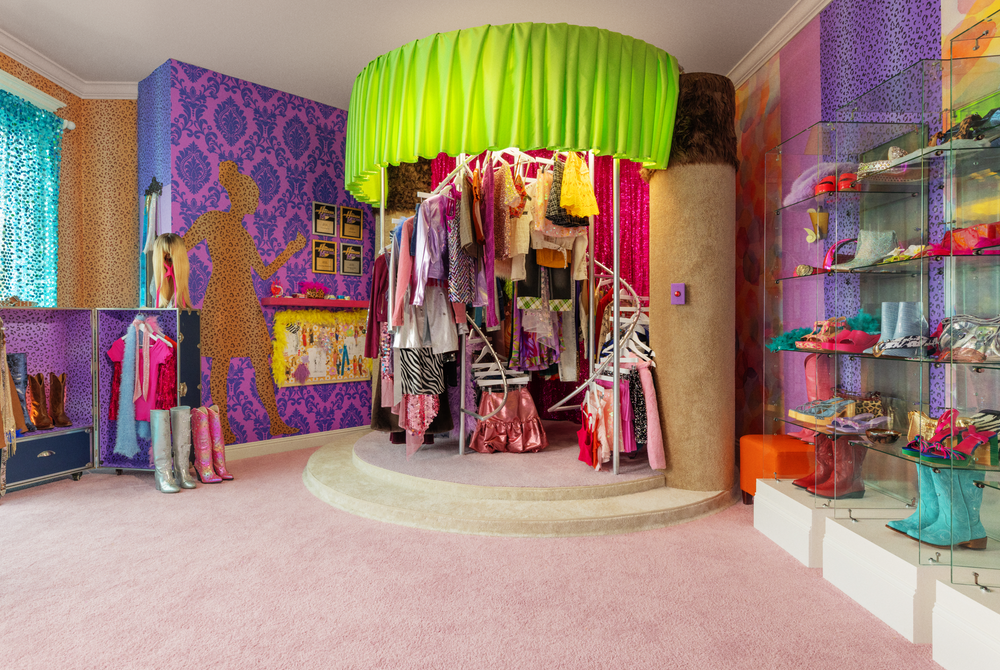
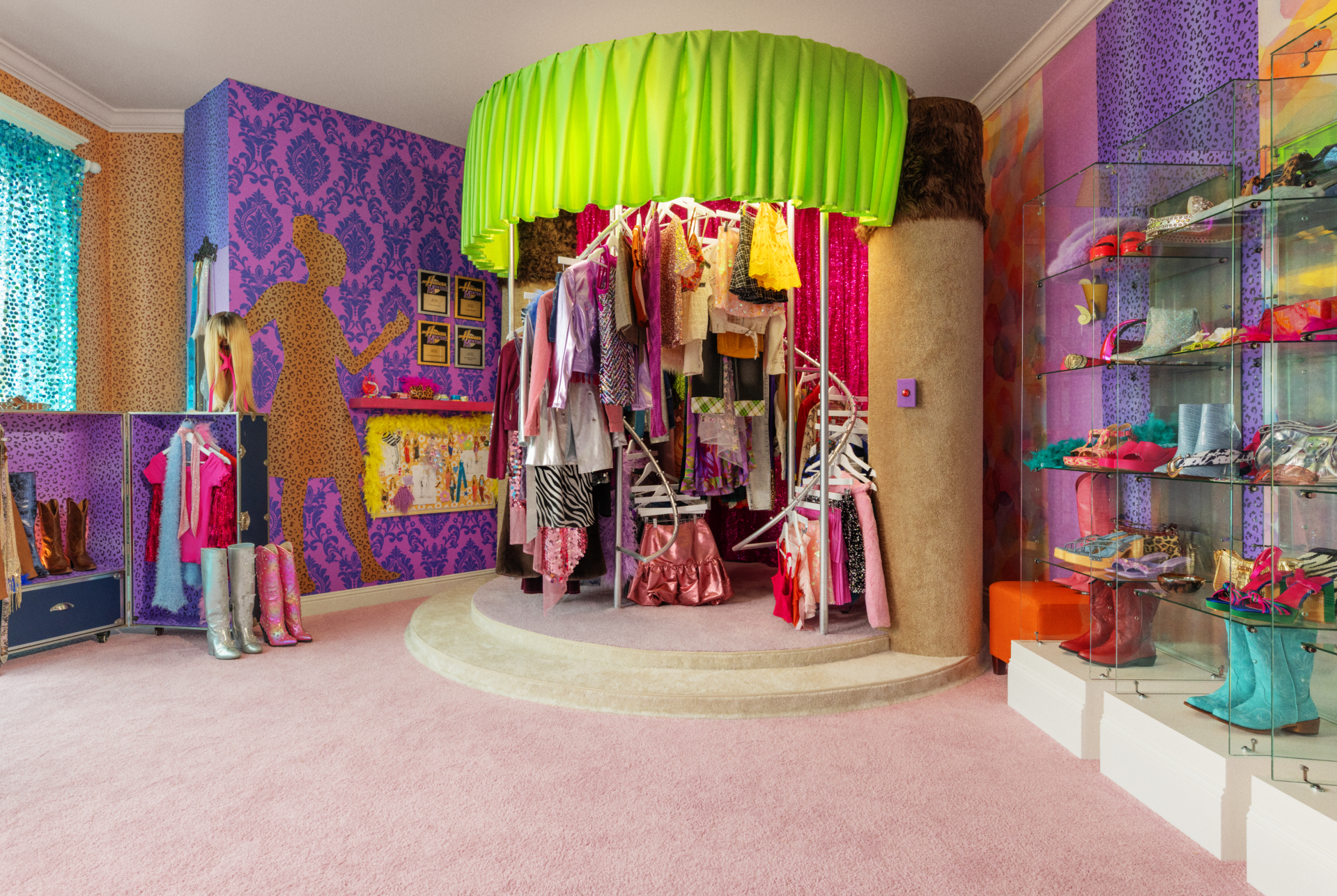
Airbnb announced Tuesday that it has partnered with Disney to recreate Hannah Montana's Malibu beach house as a bookable stay, timed to the 20th anniversary of the Disney Channel series. Beginning March 25 at 9 a.m. ET, fans can attempt to reserve one of what will likely be a very limited number of nights in a physical recreation of the fictional Stewart family home—complete with the iconic rotating closet that served as Miley Stewart's transformation chamber between her civilian and pop star identities.
The announcement positions this as a nostalgia play, which it absolutely is. But it's also something more structurally significant: Disney has figured out how to monetize its IP catalog without building permanent infrastructure. Theme parks require billions in capital investment, decades of maintenance, and geographic limitations. A rotating series of Airbnb partnerships requires set design, a short-term lease, and a content marketing budget. The ROI comparison isn't even close.
This is IP tourism—the logical endpoint of a decade spent watching studios realize their most valuable asset isn't new stories but the emotional real estate they already own. Microsoft just spent $70 million building a Minecraft World theme park in the UK, which shows how valuable the model is when you can afford permanent construction. But Airbnb's version is leaner, faster, and infinitely more adaptable. Disney can test audience appetite for different properties without the risk of a half-empty Epcot pavilion gathering dust for thirty years.
The Hannah Montana house isn't just a set recreation—it's a proof of concept. If this works, there's no reason Disney couldn't rotate through its entire catalog: the Proud Family's Smithville home, Lizzie McGuire's bedroom, the suite from The Suite Life of Zack & Cody. Every Disney Channel show with a recognizable interior is now a potential revenue stream. The platform already pioneered this model with one-off experiences like the Up house and X-Men mansion, but partnering directly with a studio turns it into a sustainable content pipeline rather than a publicity stunt.
What makes this particularly efficient is that it doesn't require new creative labor. Miley Cyrus spent 20 years running from Hannah Montana before finally reclaiming the narrative on her own terms. Disney doesn't need her participation to monetize the property—they just need the floor plan and a set decorator. The IP does the work. The brand recognition is already there. The emotional investment was made fifteen years ago by millions of kids who watched the show on loop. All Disney has to do is build the door and charge for entry.
This is also a tellingly millennial-focused move. The people who watched Hannah Montana as children are now in their late twenties and early thirties—old enough to have disposable income and young enough to still care about Disney Channel nostalgia. They're also the demographic most fluent in the language of experience-driven consumption and Instagram-optimized travel. An Airbnb stay in Hannah Montana's house isn't just a vacation—it's content. It's proof you were there. It's a way to participate in your own nostalgia rather than passively consume it.

The rotating closet is the perfect symbol for what this partnership actually represents. It was always a transformation device—a literal mechanism for becoming someone else. Now it's a metaphor for how studios are transforming their back catalogs into new revenue models. The closet spins, the character changes, and the business model evolves. What doesn't change is who owns the IP and who pays to access it.
If this model works—and there's no reason to think it won't—expect every major studio with a recognizable set to start making calls. Airbnb just became the most efficient theme park Disney never had to build.