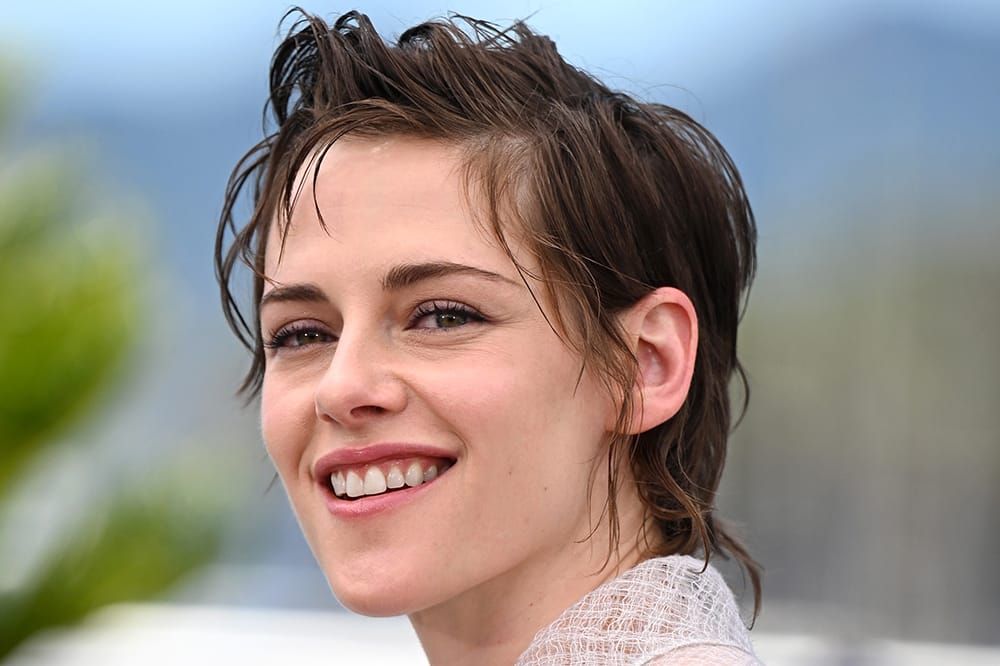
Kristen Stewart told Variety she was ready to sign on to Quentin Dupieux's "Full Phil" before she even read the script. The decision wasn't reckless—it was strategic. Stewart has spent two decades navigating the studio system that turned her into a global celebrity at seventeen, and she's done pretending the trade-off was worth it.
"There needs to be less making billionaires more fucking billionaires," Stewart said. The quote isn't inflammatory—it's diagnostic. She's naming the structural reality every working actor knows but most won't say out loud: the studio system extracts value from creative labor and funnels it upward. The people making the work see a fraction of what the work generates. Stewart's Cannes appearance with Dupieux isn't a sabbatical from Hollywood—it's a public exit from the economics that built her career.
Dupieux is known for absurdist, surreal filmmaking and a DIY production model that shoots fast and cheap. His films don't require the infrastructure Stewart has spent her career funding. No sprawling crews. No months-long shoots. No studio notes designed to sand down anything that might alienate the broadest possible audience. Dupieux makes films that exist because he wants them to exist, not because a boardroom decided they could generate a return. For Stewart, that's not just appealing—it's the point.
The studio system Stewart is critiquing isn't an abstract villain. It's the infrastructure that made the "Twilight" franchise a billion-dollar empire and paid Stewart a fraction of that to be its face. It's the same system that turned her into one of the most recognizable actors on the planet and then spent years punishing her for any public behavior that didn't serve the brand. Stewart's relationship with Hollywood has always been transactional, and she's finally saying the transaction isn't worth it anymore.
Her pivot to Dupieux is part of a broader pattern. Stewart has been directing since 2017. She's worked with auteurs like Olivier Assayas and Kelly Reichardt—filmmakers who prioritize vision over market viability. She's built a second career in independent film while maintaining enough mainstream visibility to keep the offers coming. But "Full Phil" feels different. It's not a prestige play. It's not an Oscar bid. It's a film that exists entirely outside the logic Stewart is rejecting.
The timing matters. Stewart's comments arrive as Hollywood's labor movement cycles through another round of negotiations, as streaming platforms consolidate power, and as AI threatens to automate the creative work that built the industry. Stewart's critique isn't just about her own career—it's about the infrastructure collapsing under the weight of its own greed. The billionaires she's talking about aren't hypothetical. They're David Zaslav, who sold $114 million in Warner Bros. Discovery stock while gutting the company's creative slate. They're the executives who greenlight franchises designed to generate sequels, prequels, and spin-offs in perpetuity, regardless of whether the story justifies it.
Stewart's decision to work with Dupieux is also a rejection of the celebrity economy that turned her into a brand. She's not hiding from visibility—she's at Cannes, one of the most photographed events in the film calendar. But she's using that visibility to promote work that exists entirely outside the system that made her famous. It's a kind of strategic divestment: using the platform Hollywood gave her to argue for a model that doesn't need Hollywood at all.
The absurdist comedy genre Dupieux works in is also significant. Absurdism rejects the idea that narrative has to justify itself through coherence or commercial logic. It's a form that exists to provoke, confuse, and challenge—not to sell. For Stewart, that's not just a stylistic choice. It's a philosophical one. She's choosing to make work that doesn't have to explain itself to a studio executive or a focus group. She's choosing creative freedom over the financial security the studio system offers in exchange for control.
Stewart's comments also land in a moment when Hollywood's A-list has started treating privacy as a business strategy. The most bankable stars aren't promoting themselves on social media or doing press tours that feel like hostage videos. They're working less, choosing projects more carefully, and refusing to perform the gratitude the industry expects. Stewart's Cannes appearance fits that pattern. She's not apologizing for her choices. She's not framing her rejection of the studio system as a personal journey or a creative evolution. She's just saying it out loud: the system doesn't work, and she's done pretending it does.
The question now is whether Stewart's exit strategy becomes a template. She has the financial security to walk away from studio projects without losing her career. Most actors don't. But her willingness to name the problem—and to choose projects that exist outside the system she's critiquing—creates a kind of permission structure. If Kristen Stewart can say the studio system is designed to make billionaires richer at the expense of everyone else, maybe other actors can too.
"Full Phil" won't change Hollywood. But Stewart's decision to make it—and her willingness to explain why—might signal where the industry's most valuable talent is heading. Not toward the next franchise, the next tentpole, the next project designed to generate IP in perpetuity. Toward the kind of work that exists because it should exist, not because it can be monetized. That's not a career pivot. It's a declaration of independence.