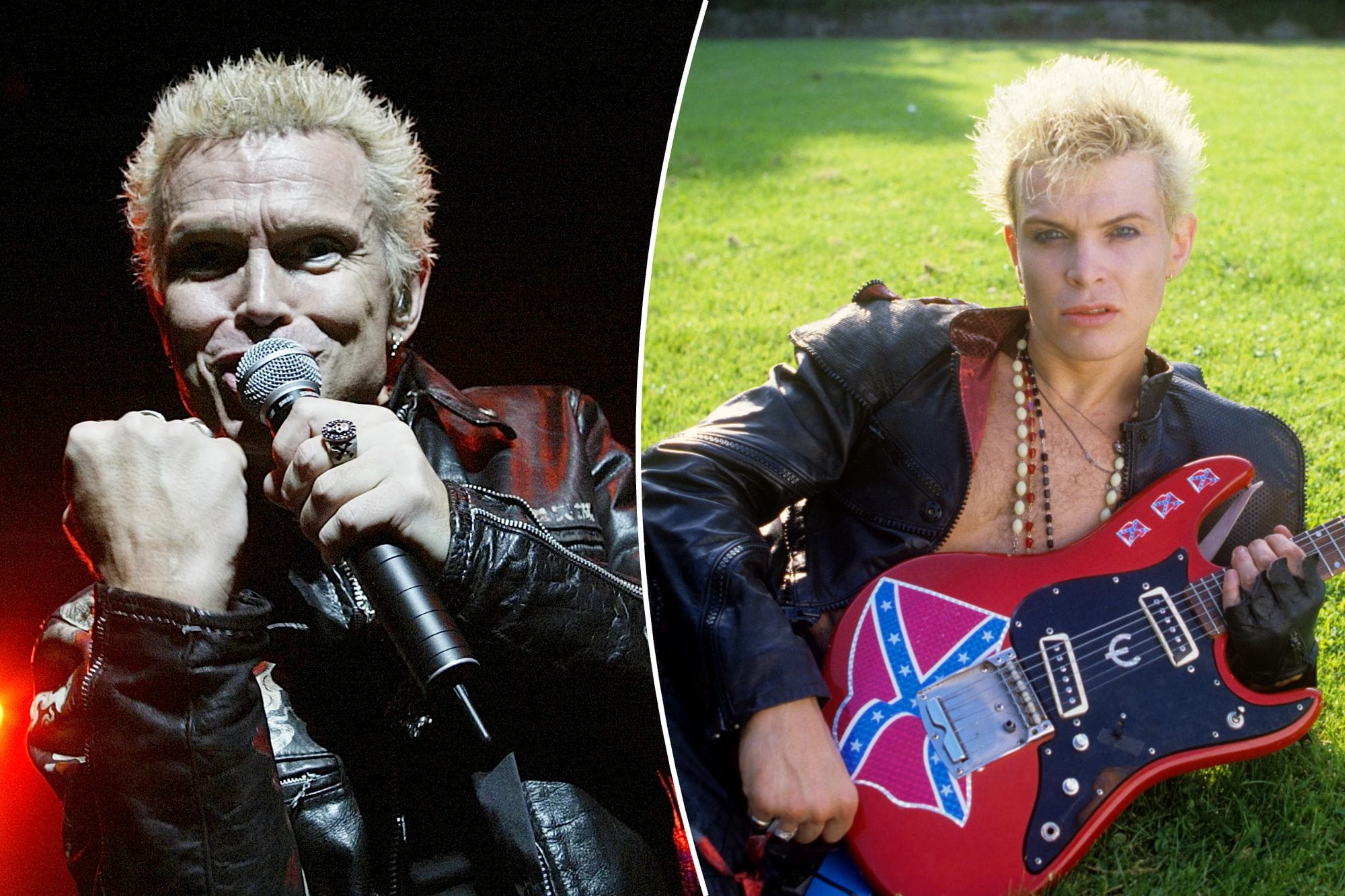
Billy Idol told Bill Maher he quit heroin by smoking crack. The statement came with no therapeutic framing, no careful contextualization, no acknowledgment that this might sound bad. Just: "It worked." The bluntness landed with the same defiant simplicity that fueled "White Wedding" and "Rebel Yell" — a recovery story that refuses to perform the contrition celebrity memoir now requires.
The appearance was promotional. Idol has a new documentary out called Billy Idol Should Be Dead, which frames his survival not as redemption but as improbable fact. He's still here. The path that got him here was messy and unconventional and, by his own accounting, effective. That's the whole story.
Celebrity memoir has become a managed genre with predictable beats: rock bottom, intervention, treatment center, spiritual awakening, gratitude. The narrative is designed to be inspirational, marketable, and above all, clean. Idol's approach refuses that entire apparatus. He's not selling sobriety as a lifestyle rebrand. He's not positioning his recovery as a journey toward enlightenment. He's just saying he found a way out, and it involved substituting one drug for another until he could stop altogether.
It's the kind of messy, pragmatic survival tactic that doesn't fit into the wellness-industrial complex that now governs how celebrities are allowed to talk about addiction. And that refusal is what makes this worth examining — not because Idol's method was medically sound or replicable, but because his unwillingness to package it into something digestible reveals how thoroughly the industry has colonized celebrity vulnerability.
The sympathy interview. The redemption tour. The comeback narrative that positions past behavior as a necessary catalyst for present wisdom. These stories are valuable — they humanize celebrities, they sell books and streaming specials, and they offer a template for fans navigating their own struggles. But they also flatten the actual experience of addiction and recovery into something that must yield a lesson.
They require the celebrity to perform contrition, to package their mess into meaning, to extract wisdom that justifies the damage. Idol isn't doing any of that. He's not saying the struggle was worth it for what he learned. He's not framing his survival as evidence of personal growth or spiritual evolution. He's just reporting the facts: he should be dead, he's not, and the reason involves decisions that would horrify a rehab counselor.
This refusal to perform the expected narrative beats is more honest than the polished recovery stories that dominate celebrity memoir. It acknowledges that survival doesn't always look like transformation. That getting clean doesn't necessarily make you a better person or give your life retroactive meaning. That sometimes the only lesson is that you made it out, and the how matters less than the fact that you did.
There's a pattern emerging among artists who've figured out that the industry's preferred narrative — more visibility, more access, more carefully managed vulnerability — isn't the only option. Harry Styles walked away from pop ubiquity rather than continue feeding the machine that made him famous. Cillian Murphy keeps saying no to franchises that would expand his visibility but compromise his creative control. Bethenny Frankel turned down a Housewives spinoff because her brand is worth more outside the ecosystem that made her. These are refusals of the narratives institutions want to impose.
Idol's documentary title isn't self-deprecating. It's factual. And in an industry built on controlled narratives and image management, a rock star who won't pretend the mess was worth it for the lesson is doing something unusual. He's not packaging his recovery as content. He's not turning survival into a brand. He's just still here, still making music, still refusing to play the role of the reformed addict who found meaning in the wreckage.
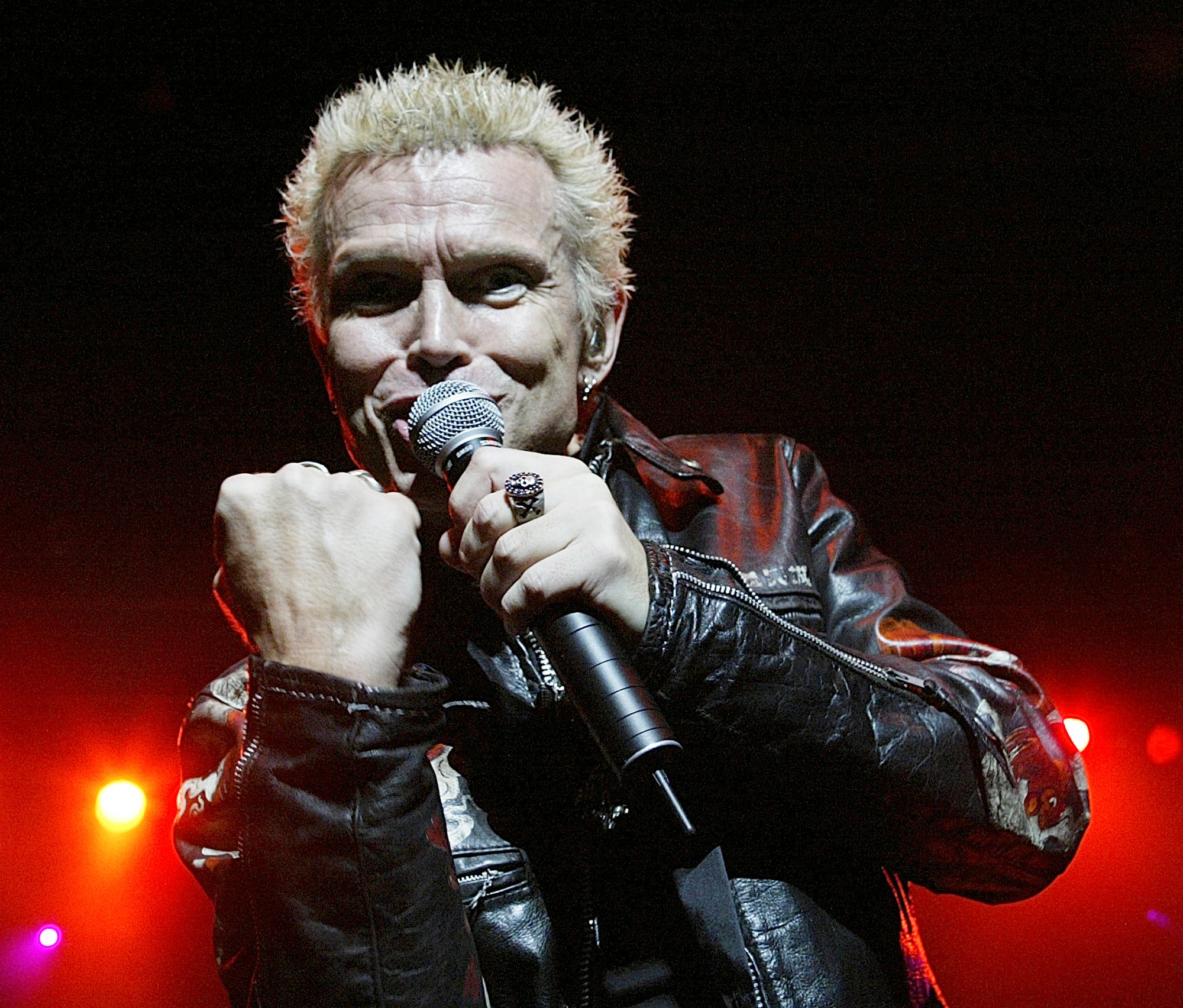
The punk ethos was never about redemption. It was about refusal — of authority, of convention, of the narratives imposed by institutions that wanted to domesticate the anger and the noise. Idol's recovery story operates on the same principle. It refuses the redemption arc. It refuses the inspirational framing. It refuses to make his survival into something useful for anyone else.
What makes that refusal significant now is how rare it's become. The wellness economy has made vulnerability a commodity, and the cost of entry is packaging your damage into something that can be marketed, monetized, and turned into a lesson for someone else's journey. Idol's documentary exists in that economy — it's a product, it's being sold — but the story it tells won't cooperate with the format. He survived. The method was unconventional. There's no wisdom to extract from it. That's the whole thing.
In an industry that demands celebrities turn their worst moments into branded content, a 70-year-old rock star who won't pretend his recovery story has a moral is doing something closer to punk than most music being made today.
For more, see the best music documentaries streaming now and Jared Harris on AI deepfakes and likeness rights.