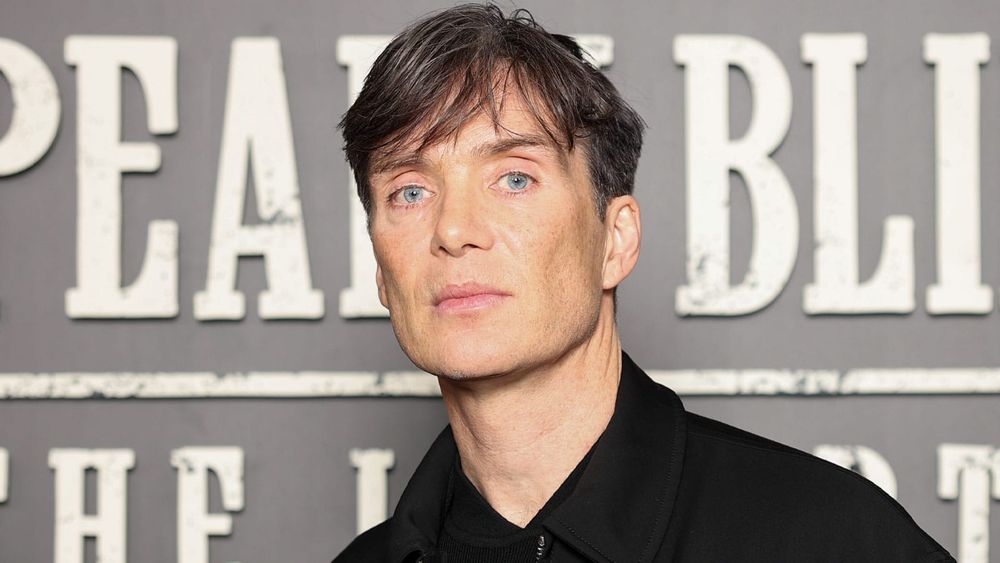
When Cillian Murphy told Deadline he was "categorically not" interested in playing Voldemort in HBO's upcoming Harry Potter series, he shut down months of fan-casting with the kind of finality actors usually reserve for dodging questions about their personal lives. He also clarified his role in the 28 Years Later franchise—yes, he reprised Jim for The Bone Temple, but his involvement in the planned third film remains uncertain and deliberately vague. The denials aren't particularly surprising. What's interesting is that he felt the need to make them at all.
Murphy has spent the last few years becoming one of the most in-demand actors in the industry—an Oscar win for Oppenheimer, critical acclaim for Peaky Blinders, and the kind of industry respect that translates into offers for every major tentpole project in development. But he's not chasing every franchise opportunity that comes his way. In an industry where A-list actors are expected to anchor extended universes and sign multi-film deals before the first script is written, Murphy's selectivity feels like a strategic refusal to play by the usual rules.
The industry incentive structure pushes actors toward multi-film commitments, extended universes, and the kind of IP that guarantees visibility, backend points, and a decade of steady work. Saying no to Harry Potter—one of the most valuable entertainment properties in existence, now being rebuilt for television with HBO's full resources behind it—is a choice that reflects either confidence, exhaustion, or both. Murphy's career trajectory suggests the former. He's selective in a way that suggests he's figured out what most actors learn too late: franchise commitments are long-term relationships, and not all of them are worth the paycheck.
His careful dance around 28 Years Later is instructive. He came back for The Bone Temple, directed by Nia DaCosta, but he's not committing to the third film. That's strategic selectivity, not franchise rejection—he's interested in the material, but not necessarily in becoming the face of another trilogy. In an industry built on IP expansion, even that level of hesitation reads as resistance. The franchise model depends on actors signing multi-film deals upfront, locking them into years of promotional cycles, sequel obligations, and creative constraints. Murphy's approach—one film at a time, no guarantees—is the opposite of what studios want, and it only works if you have the leverage to make it stick.
What makes Murphy's position notable is that it represents a new negotiating posture for A-list actors—one that treats franchise offers as options rather than career inevitabilities. Franchise fatigue isn't just a viewer problem anymore. Actors are increasingly vocal about the creative limitations of extended universes. Some, like Harry Styles, have walked away from ubiquity altogether. Others are negotiating shorter commitments or one-off appearances rather than signing onto trilogies. Murphy's position is different—he's not rejecting franchises outright, but he's also not treating them as the default career path. That's a luxury afforded by his recent success, but it's also a strategic choice that reflects a broader recalibration of what franchise participation actually costs.

The Harry Potter denial is particularly revealing. HBO is rebuilding the franchise for television, with a reported budget that rivals prestige drama and a plan to adapt each book as a full season. It's the kind of project that would give any actor global visibility and financial security for years. But it's also the kind of project that would define Murphy's career in a way Oppenheimer or Peaky Blinders never did. Playing Voldemort means becoming Voldemort in the public imagination, with all the promotional obligations, fan expectations, and typecasting risks that come with it. Murphy's "categorically not" suggests he's thought through that calculus and decided the trade-off isn't worth it—even for one of the most lucrative roles in television.
What Murphy understands—and what the industry is slowly learning—is that franchise ubiquity comes with diminishing returns. The actors who anchor these universes become synonymous with their characters in ways that can foreclose other opportunities. Robert Downey Jr. spent a decade as Tony Stark and has spent the years since trying to prove he can still disappear into other roles. Daniel Radcliffe has spent his entire post-Potter career actively working against the typecasting that comes with being the face of a global franchise. Murphy watched Christopher Nolan manage the franchise question with precision—three Batman films, then out—and seems to have internalized the lesson. Franchises are tools, not destinies.
The broader pattern here is that the most successful actors are increasingly treating franchise participation as a calculated risk rather than a career milestone. The financial incentives are still enormous, but the creative and reputational costs are becoming harder to ignore. Studios still want multi-film commitments, but actors with leverage are pushing back, negotiating shorter deals, or walking away entirely. Murphy's selectivity reflects that shift. He's not anti-franchise—he came back for 28 Years Later—but he's also not willing to let franchise logic dictate the next decade of his career.
The franchise model still dominates Hollywood, but the power dynamic is shifting. Actors like Murphy are figuring out how to navigate it without getting locked into commitments they didn't fully understand when they signed. That doesn't mean franchises are dying. It means the actors who can afford to say no are increasingly doing so, and the industry is going to have to adjust to a world where A-list talent treats franchise offers as negotiable rather than inevitable.