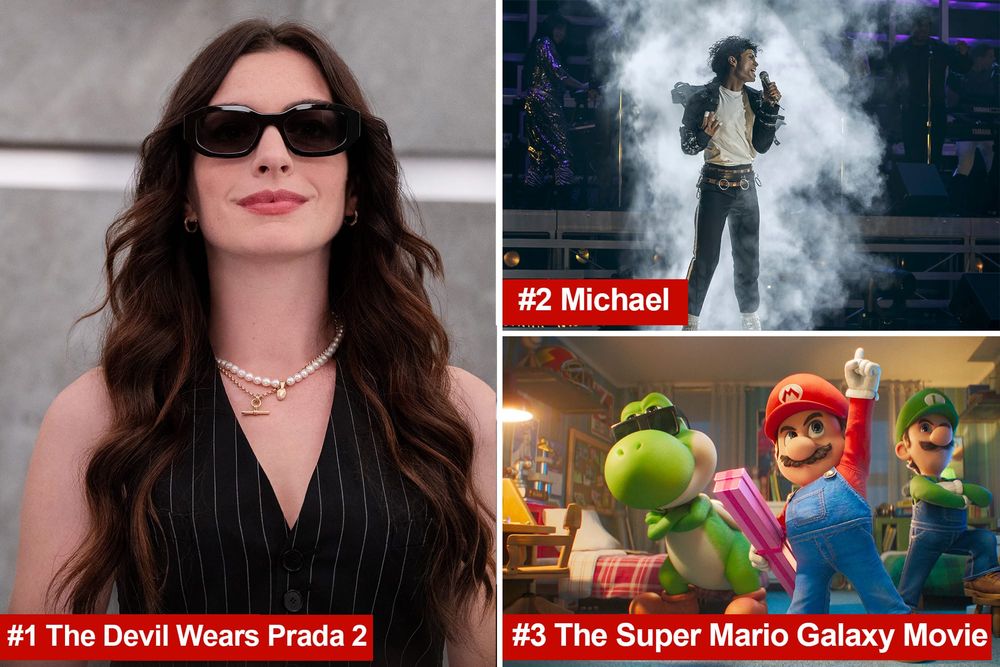
$32.5 million on opening day. That's what The Devil Wears Prada 2 pulled in Friday, landing at No. 1 in a box office landscape where sequel fatigue is supposed to be terminal and IP extensions are supposed to be running on fumes.
The original Devil Wears Prada came out in 2006. It made Meryl Streep's Miranda Priestly into a meme before memes had that kind of cultural currency. It turned Anne Hathaway's Andy Sachs into the blueprint for every millennial's first job anxiety dream. It gave an entire generation a shared language for workplace power dynamics, ambition, and the specific kind of cruelty that hides behind professionalism. Twenty years later, that cultural real estate is still valuable—and Disney knew it.
This isn't Hulu canceling the Buffy revival before it started because nostalgia IP without the original creative team is just a brand name on a script nobody asked for. This is what happens when a sequel actually understands what made the original matter. The first film wasn't just a workplace comedy. It was a cultural artifact about ambition, sacrifice, and the specific way women are punished for wanting power. The sequel had to reckon with that—or risk looking like it was just cashing in on familiarity.
The $32.5 million opening day suggests audiences showed up because they trusted the franchise to do more than replay the original's greatest hits. Early word from screenings indicates the film leans into where Andy and Miranda would be now—not where they were in 2006. That's the difference between nostalgia IP that works and nostalgia IP that flops. One treats the original as a template. The other treats it as a starting point.
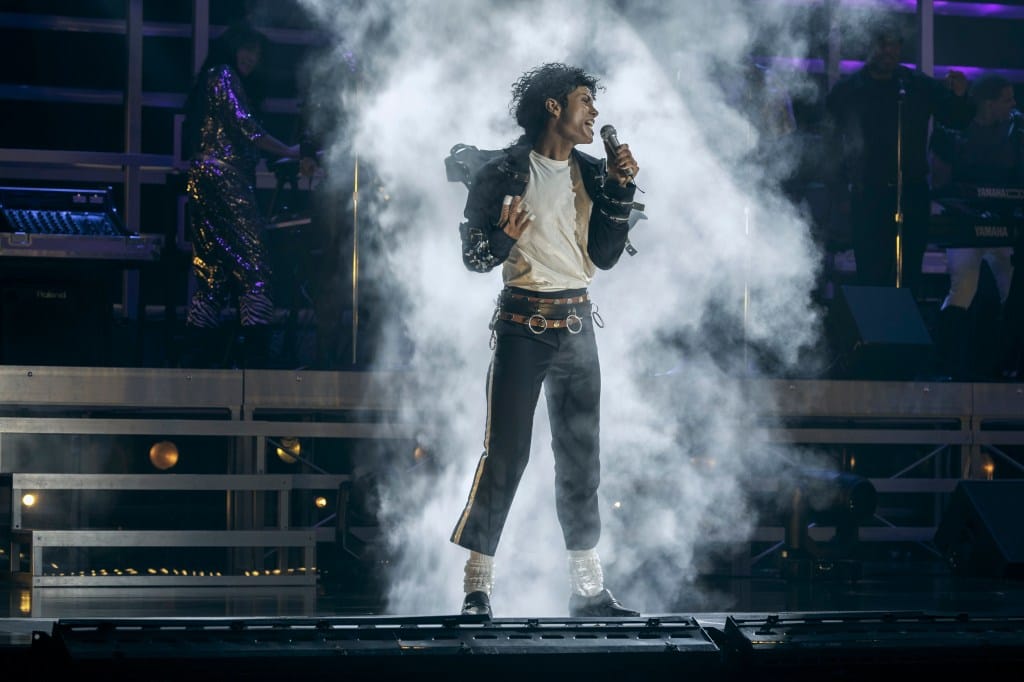
Compare this to the broader theatrical landscape. Musical biopics like Michael are tracking for $55M-$60M openings because they offer a specific kind of emotional real estate—legacy, spectacle, and the cultural permission to feel something big in public. The Devil Wears Prada 2 is doing the same thing, but with a different currency: workplace ambition, female power, and the specific brand of sharp-edged humor that made the original quotable for two decades.
The film's success also highlights something Hollywood keeps forgetting: audiences will show up for sequels if the original actually mattered to them. Not every IP extension deserves a theatrical release. But when the source material defined a generation's understanding of ambition, fashion, and workplace power—when it gave people a shared vocabulary for their own experiences—then the sequel isn't just nostalgia. It's a continuation of a conversation that never really ended.
The opening day numbers also suggest that Anna Wintour's decision to let The Devil Wears Prada define her was a smarter brand strategy than anyone realized at the time. The film turned Wintour into a cultural icon in a way that decades of Vogue editorials never could. The sequel gets to cash in on that mythology—and on the fact that audiences still want to watch women navigate power, ambition, and the specific kind of cruelty that comes with running an empire.
The real test comes next weekend, when word-of-mouth either holds or collapses. But $32.5 million on day one is the kind of opening that suggests Disney didn't just greenlight a sequel—it greenlit a sequel that understood the assignment. The original Devil Wears Prada worked because it treated fashion as a proxy for ambition, and ambition as the thing women are punished for wanting. The sequel's opening day numbers suggest it remembered that. Whether it can sustain that understanding across a full runtime is the question the next seven days will answer.