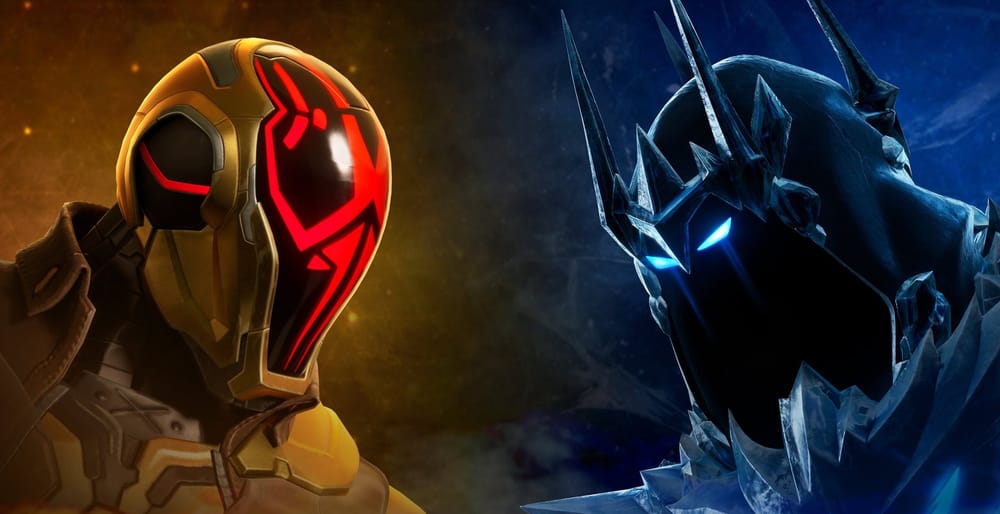
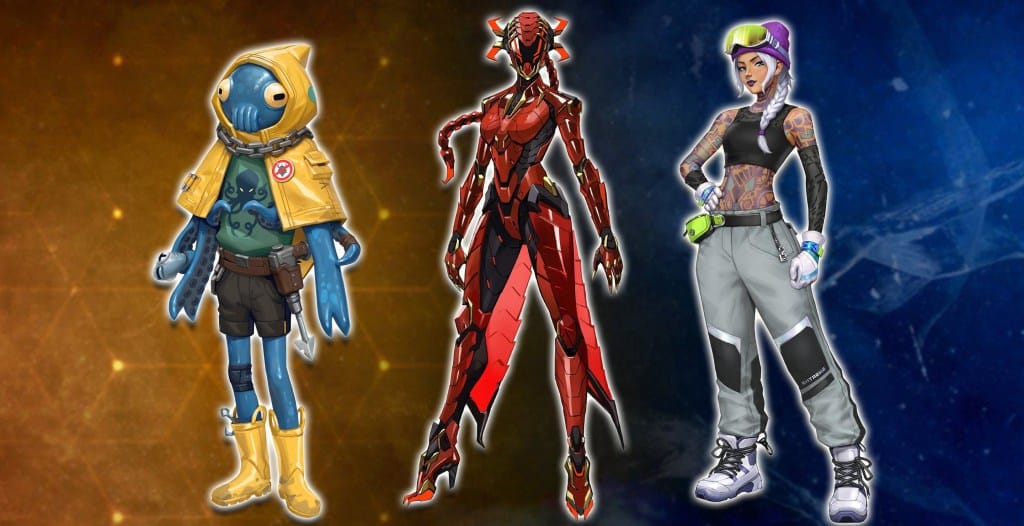
Bugs Bunny is reportedly coming to Fortnite. According to dataminers cited by Vice, the Looney Tunes icon will appear in the Chapter 7 Season 2 battle pass alongside Ice King and other cosmetics when Showdown launches next week. The leak surfaced early online, as most Fortnite content does these days — the game's datamining community has become so efficient that Epic's official announcements often feel like confirmations rather than reveals.
What makes this particular leak significant isn't that another IP is joining Fortnite's ever-expanding roster. It's that Warner Bros. Discovery — a company desperately trying to extract value from its legacy assets — is placing one of its most protected characters into a gaming ecosystem rather than leading with a streaming series, a theatrical release, or even a theme park expansion. That ordering tells you everything about where entertainment companies believe audience attention actually lives in 2025.
Fortnite has become the most valuable IP licensing real estate in entertainment. Not the most visible, not the most prestigious — the most valuable. The platform commands over 110 million monthly active users who don't just consume content passively but perform identity through it. When a player buys a Bugs Bunny skin, they're not watching a show or buying a T-shirt. They're inhabiting the character in a social space where their friends can see them, where the investment has functional gameplay value, and where the IP becomes part of their digital identity for dozens or hundreds of hours. No other licensing deal offers that depth of engagement.
The economics make the strategy obvious. A Fortnite skin costs between $8 and $20. A significant portion of the player base buys multiple skins per season. The revenue split between Epic Games and the IP holder isn't public, but even a conservative licensing fee on tens of millions of purchases dwarfs what most streaming deals generate. More importantly, Fortnite doesn't require the IP holder to fund production, manage distribution, or absorb the risk of a failed show. Epic handles the infrastructure. Warner Bros. collects the check and gets to call it "brand activation."
This isn't the first time a legacy character has appeared in Fortnite — the platform has hosted everyone from Marvel heroes to Star Wars characters to anime icons. But Bugs Bunny represents a specific threshold. He's not a superhero designed for cross-platform action. He's a cartoon character whose entire appeal is rooted in theatrical shorts and television reruns, IP that hasn't had a major cultural moment in over a decade outside of Space Jam: A New Legacy, a film that was largely understood as a failure. Putting him in Fortnite is an admission that Warner Bros. Discovery doesn't believe traditional media can rehabilitate the character's relevance — but a gaming platform can.
The broader pattern is undeniable. Gaming platforms have overtaken streaming services as the preferred distribution channel for IP that needs to reach younger audiences. Netflix spent years building its own gaming division and has almost nothing to show for it. Disney+ launched with the promise of integrating its IP across every screen and has mostly stuck to traditional formats. Meanwhile, Fortnite, Roblox, and Minecraft have become the de facto cultural hubs where Gen Z and Gen Alpha actually spend their time. Those platforms don't just host IP — they make it playable, social, and status-signaling in ways that a streaming series can't replicate.
What Warner Bros. Discovery is banking on is that a Bugs Bunny skin in Fortnite does more for the character's cultural circulation than another reboot or revival special. And they're probably right. A player who drops $15 on a Bugs Bunny skin has made a more active investment in the IP than someone who passively streams a show. They've chosen to represent themselves as that character in a social space. They've made Bugs Bunny part of their digital identity. That's a different kind of engagement than nostalgia — it's identity formation, and it's worth more.
The shift has implications beyond individual licensing deals. If gaming platforms are now the primary venue for IP revitalization, then the entertainment companies that don't control their own gaming infrastructure are renting someone else's distribution channel. Epic Games, Roblox Corporation, and Microsoft (via Minecraft) are the new gatekeepers. They decide which IP gets featured, how it's presented, and what share of the revenue they keep. The power dynamic has flipped. Hollywood used to license its IP to game developers. Now game developers are the landlords, and Hollywood is the tenant.
The question isn't whether more legacy IP will follow Bugs Bunny into Fortnite. It's how long it takes before the gaming platforms start developing their own IP and cutting out the middleman entirely. Epic already has original characters with more cultural traction than half of Hollywood's back catalog. The next phase won't be Warner Bros. licensing Bugs Bunny to Fortnite. It'll be Fortnite creating its own characters and licensing them back to Hollywood for films and shows — if Hollywood can still afford the rights.