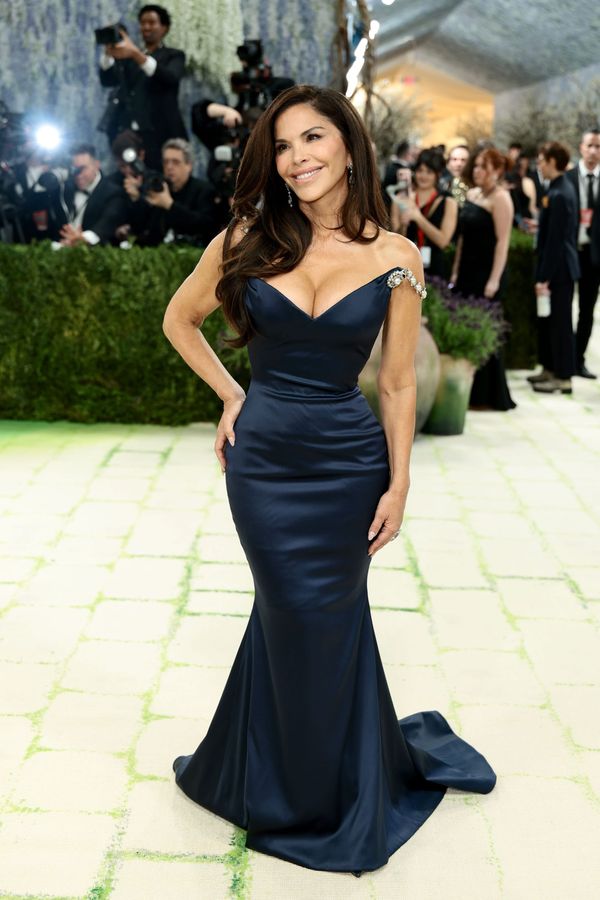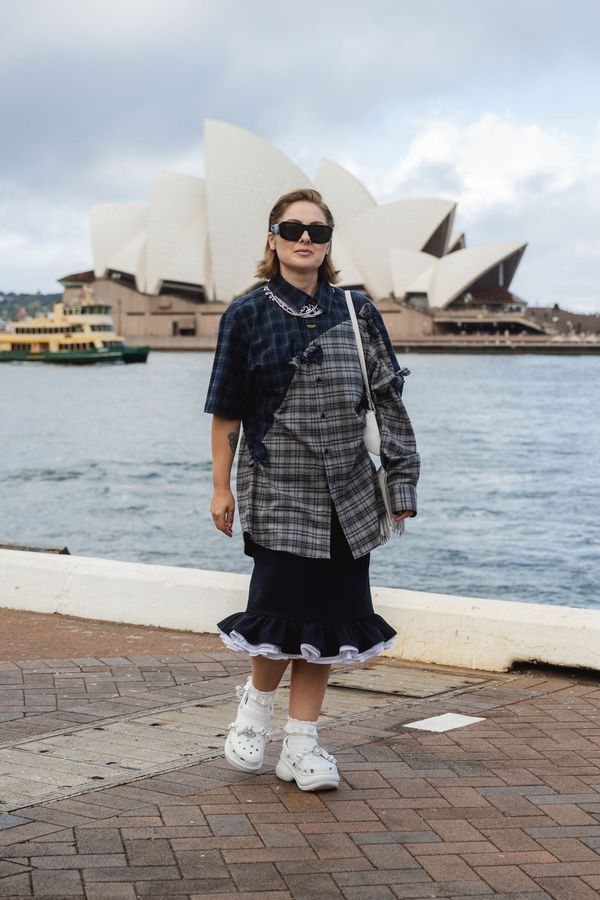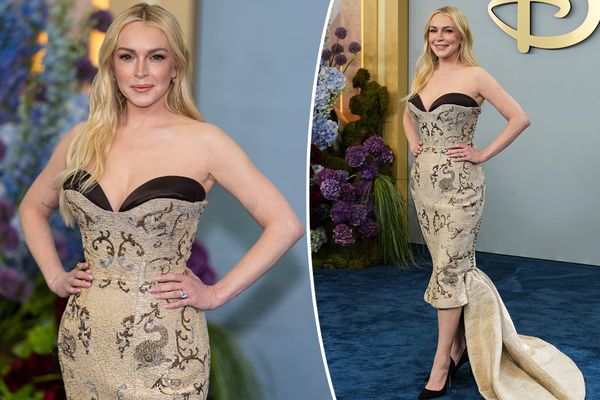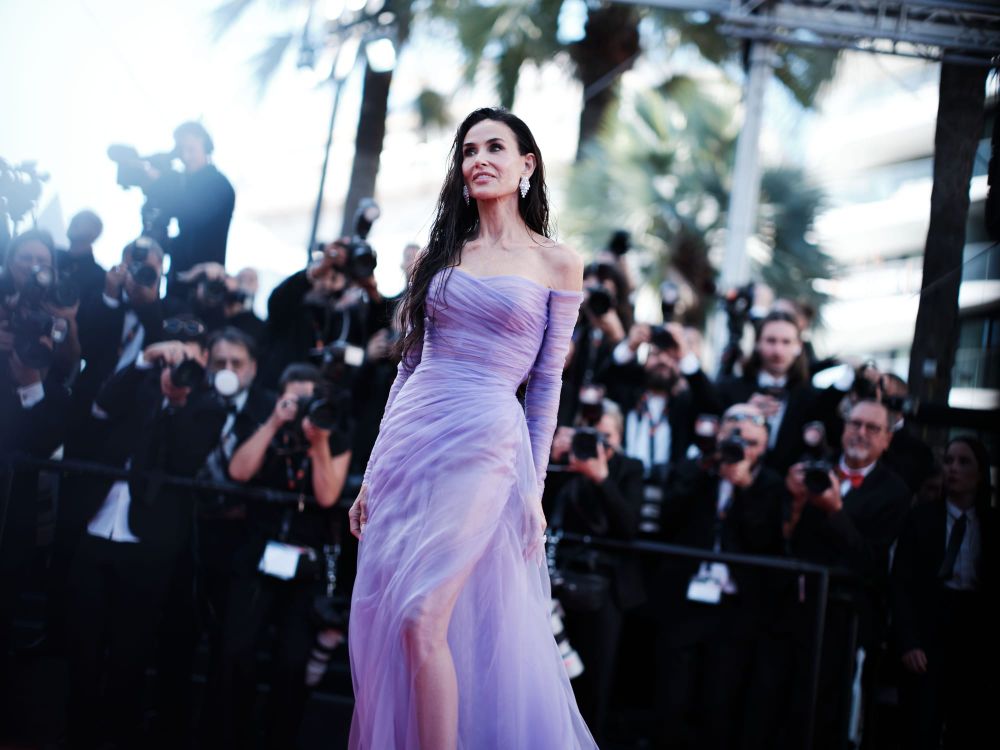
The 79th Cannes Film Festival opened this week, and the red carpet arrivals have already started sorting designers into winners and also-rans. Not by critical acclaim or runway reviews — by sheer carpet real estate. The festival circuit remains fashion's most reliable indicator of which houses have the infrastructure, relationships, and strategic vision to convert a single dress into a year's worth of campaign visibility.
Cannes isn't a fashion show. It's a market signal. The designers who dress the festival's biggest names — the actors with films in competition, the jury members, the prestige auteurs — are the ones who will dominate fall campaign cycles, secure the next round of brand ambassadorships, and set the visual language for what "elevated glamour" looks like in 2026. The carpet is a negotiation between celebrity teams, designer PR machines, and the festival's own hierarchy of access. The looks that land aren't just beautiful — they're strategically deployed.
This year's early arrivals confirmed a few patterns. The French houses — Saint Laurent, Dior, Chanel — still own the opening-night real estate. That's not accident or aesthetic preference. It's infrastructure. French luxury conglomerates have decades of relationships with the festival's organizers, the publicists who control talent, and the photographers who determine which images circulate. A Saint Laurent gown on opening night isn't just a dress — it's a signal that the house still has the power to dress the most important people at the most important moment.
But the festival also rewards houses that understand how to dress for the specific visual language of Cannes. The carpet is shot in daylight and twilight, against the Mediterranean and the Palais steps. The looks that work are the ones that photograph well in motion, hold their shape in wind, and read as "effortless" even when they required three fittings and a couture atelier. The designers who win Cannes are the ones who have built the back-end systems to deliver those looks on time, on brief, and on message.
The real story isn't just who dressed whom. It's which designers are using Cannes as a testing ground for fall campaign strategy. A gown that photographs well on the Croisette becomes the visual anchor for a September Vogue spread, a December fragrance campaign, a February awards-season push. The festival is the first move in a six-month chess game. The houses that understand that — the ones who are already thinking about how the dress will look in a brand film, on a billboard, in a TikTok clip — are the ones who will dominate the rest of the year.
Cannes also separates the houses that have genuine celebrity relationships from the ones that are still cold-calling stylists. The festival's most important attendees are the ones who have spent years building trust with celebrity teams, delivering on promises, and proving they can handle the pressure of a global stage. A last-minute dress swap or a poorly fitted gown at Cannes doesn't just kill the look — it kills future opportunities.
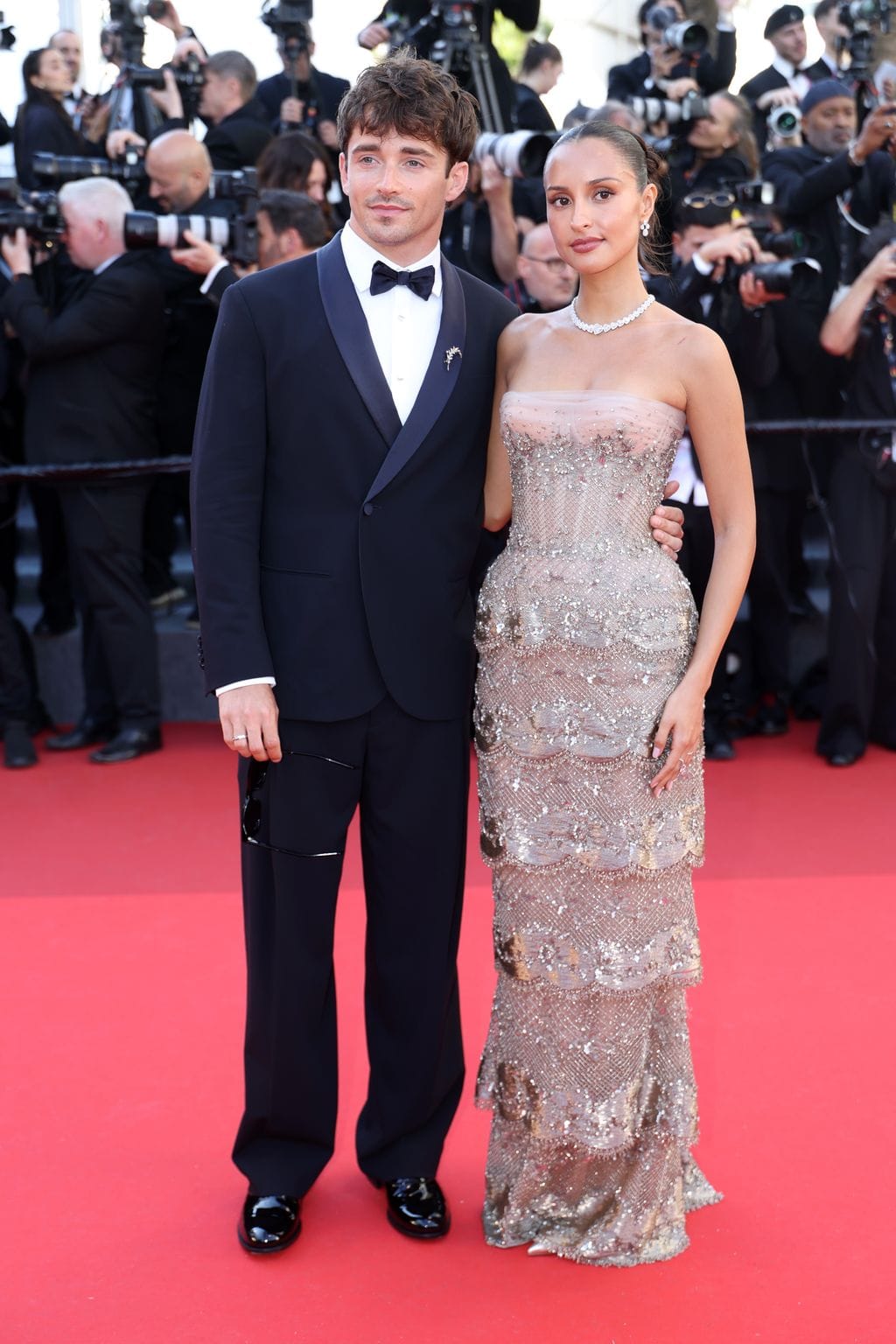
The festival also rewards houses that understand the difference between fashion and costume. Cannes is not the Met Gala. The dress codes are looser, the themes are nonexistent, and the expectation is elegance without gimmick. The looks that dominate are the ones that feel like the person wearing them made a choice — not like a stylist made a deal. That's harder to pull off than it sounds. It requires designers who can dress a celebrity in a way that feels personal, not transactional. The houses that can do that — the ones who make the dress feel like it belongs to the person, not the brand — are the ones who win.
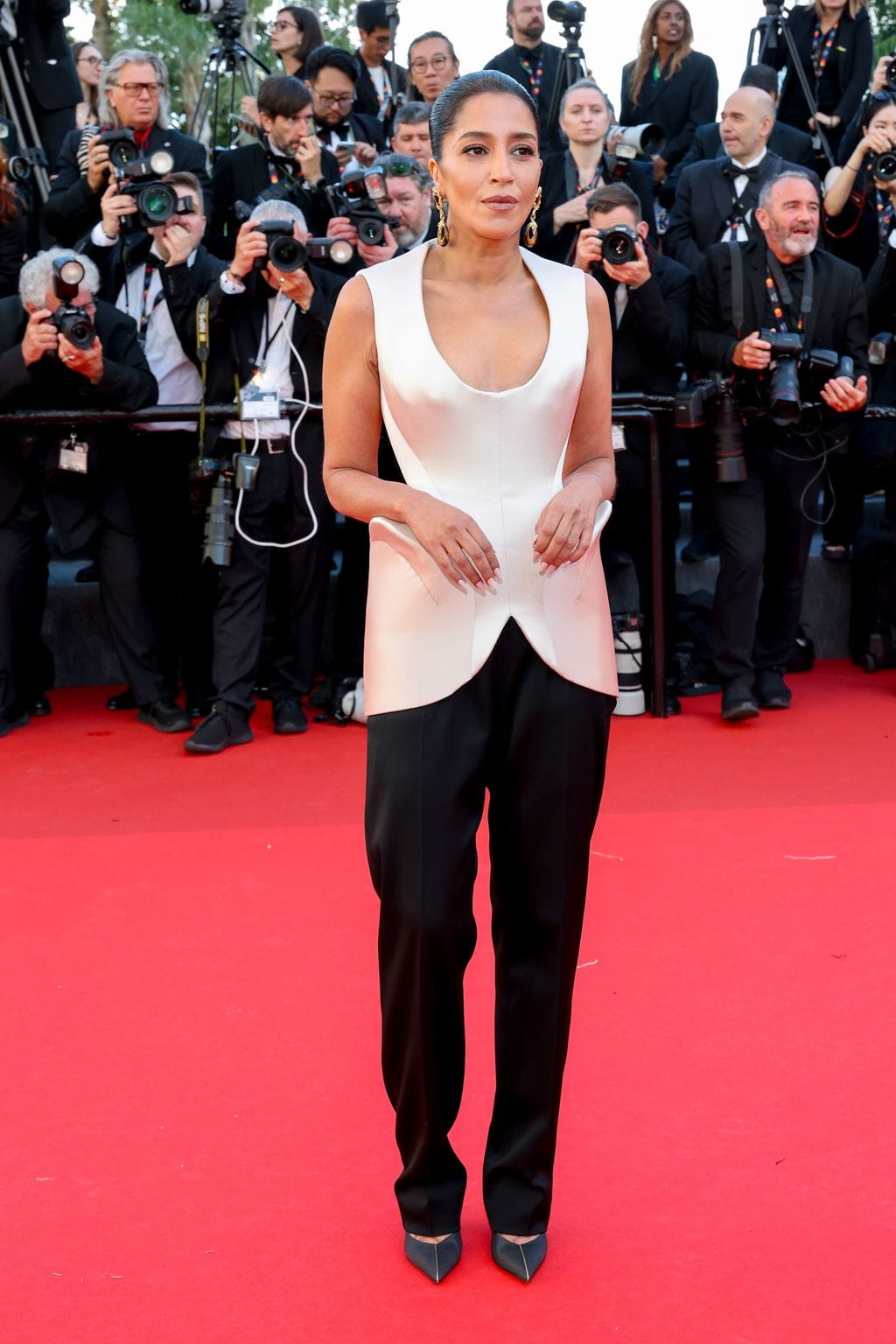
By the end of the festival, the red carpet will have produced a clear hierarchy. The designers who dressed the jury, the Palme d'Or contenders, the opening and closing night stars — those are the houses that will set the visual tone for the rest of the year. The ones who missed the moment, who dressed mid-tier talent or delivered forgettable looks, will spend the next six months trying to recover. Cannes doesn't give second chances. It just moves on to the next festival, the next carpet, the next opportunity for a house to prove it still knows how to play the game.