Zendaya wore Rahul Mishra's hand-embroidered sari gown to the 2025 Golden Globes. Ariana DeBose chose Schiaparelli's Berber-inspired silhouette for the BAFTAs. Priyanka Chopra Jonas showed up to the Met Gala in Gaurav Gupta's sculptural draped piece that referenced traditional Indian armor construction. These weren't one-off moments. They were proof that heritage design finally has the infrastructure to compete with European luxury houses on red carpet real estate.
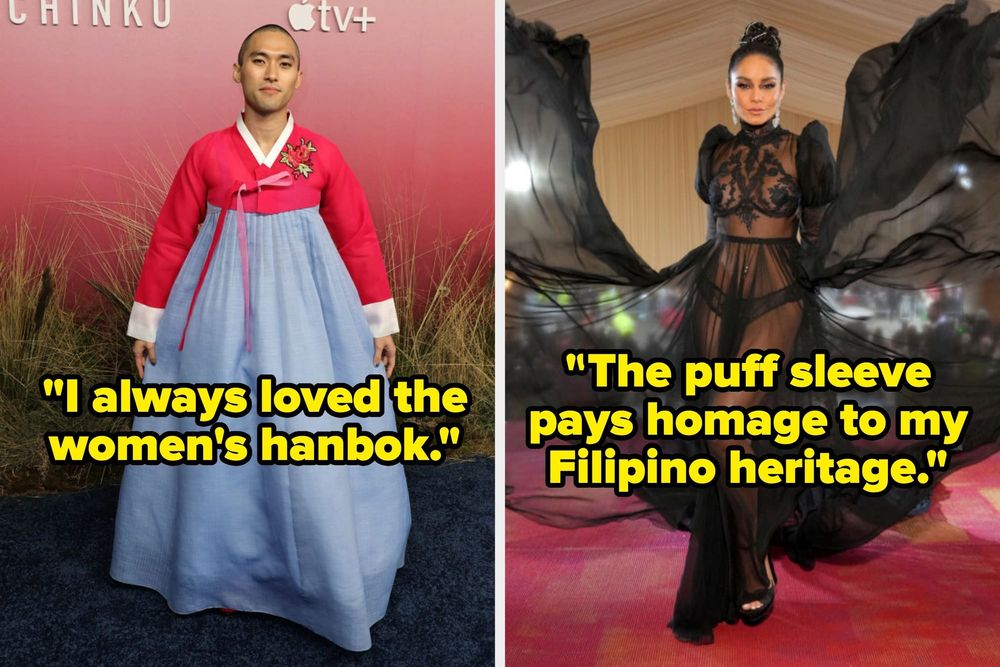
For years, cultural representation on the red carpet meant a celebrity choosing a designer from their background for a single night—a gesture that felt more like acknowledgment than strategy. The designer got press. The celebrity got praised for "staying true to their roots." Everyone moved on. But BuzzFeed's recent roundup of 28 celebrities wearing heritage-inspired looks documents something different: a structural shift in how prestige fashion incorporates non-Western design languages—not as inspiration, but as competitive players.
The difference is in the ecosystem. Designers like Mishra, Gupta, and Iris van Herpen (whose work increasingly incorporates non-European craft techniques) aren't waiting for fashion week invitations or hoping for editorial coverage. They're building direct relationships with stylists, investing in atelier capacity that can deliver red carpet-ready pieces on awards season timelines, and treating celebrity dressing as a business vertical—not a PR win. The athlete-as-ambassador model that Tommy Hilfiger pioneered is now playing out across heritage designers who realize the red carpet is worth more than a runway show in Paris.
What changed wasn't celebrity taste—it was designer infrastructure. A decade ago, a stylist pulling a look from a Delhi-based designer meant navigating customs, hoping the piece arrived intact, and praying alterations could happen remotely. Now, designers like Mishra have LA-based representatives, maintain sample archives in multiple cities, and employ the same production timelines as Valentino. The logistical gap that kept heritage designers off the red carpet wasn't about talent. It was about operational capacity. And the designers who figured that out first are now getting the placements European houses used to own by default.
The business model matters because red carpet dressing is a volume game. One Zendaya moment is a headline. Five Zendaya moments over two years is a brand relationship. Ten placements across multiple A-listers is market position. Heritage designers who treated celebrity dressing as infrastructure investment—not as cultural validation—are the ones building sustainable red carpet presence. The designers still treating it as an honor are the ones getting one-off placements that don't convert to commercial traction.
This isn't about diversity for its own sake. It's about market reallocation. Every time a celebrity wears Rahul Mishra instead of Elie Saab, that's a shift in who controls prestige fashion's most visible real estate. When Carey Mulligan wore The Row to meet King Charles, it was a signal about which designers understand power dressing. When Priyanka Chopra Jonas wears Gaurav Gupta to the Met Gala, it's a signal about which designers have the operational capacity to compete at fashion's highest level. The red carpet isn't a statement stage anymore—it's a business battlefield, and the designers who built the infrastructure are the ones winning the territory.
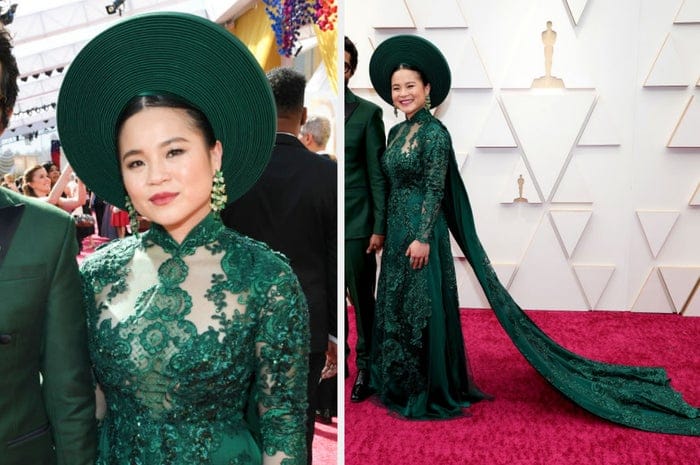
The celebrities wearing these looks aren't activists. They're clients working with designers who can deliver what European luxury houses deliver: flawless construction, on-time delivery, and the kind of artistry that photographs well under flash lighting. Heritage designers who figured out how to provide that infrastructure aren't getting placements because of representation politics. They're getting placements because they solved the logistics problem that kept them out of the room.
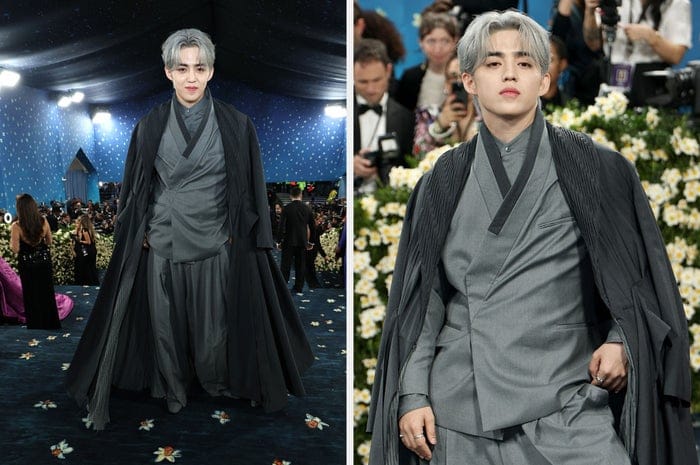
What happens next depends on whether these designers can turn red carpet visibility into commercial scale. A Zendaya placement is worth millions in earned media, but it doesn't pay the atelier bills unless it converts to retail customers who want the same level of craft. The designers who survive this shift will be the ones who use red carpet infrastructure to build retail infrastructure—not the ones who treat celebrity dressing as the endgame. The red carpet stopped being a statement platform the moment it became a distribution channel. The designers who understand that are the ones building the next generation of luxury houses.