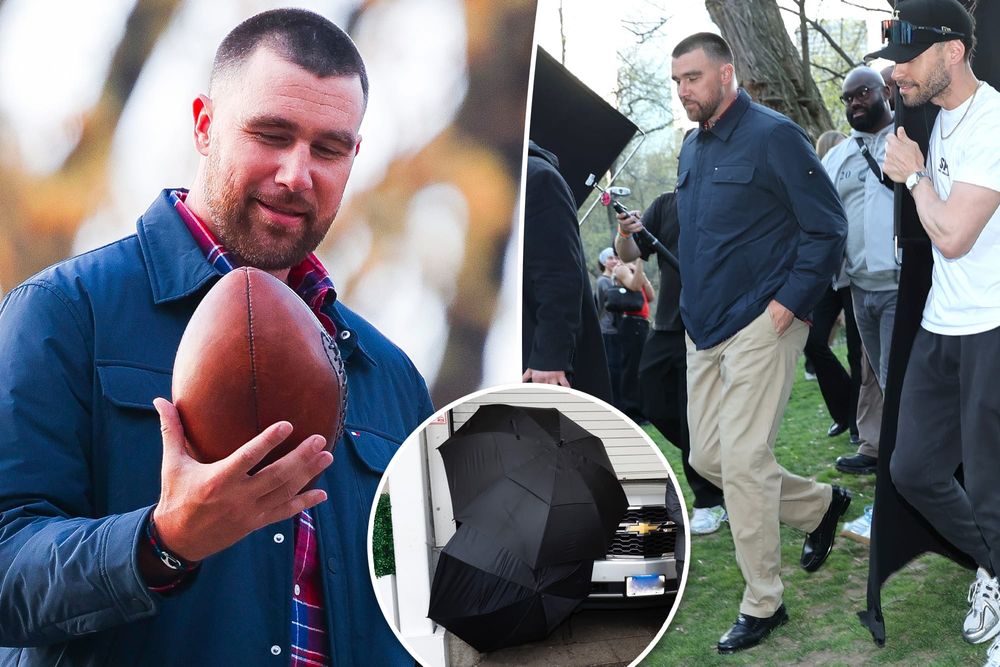
Travis Kelce was spotted shooting his first Tommy Hilfiger campaign in New York last week, with Taylor Swift making a brief appearance on set. The Kansas City Chiefs tight end, who was announced as the brand's newest global brand ambassador and creative collaborator in March, is now officially doing the work—posing in prep-adjacent staples for a heritage American label that's been trying to reclaim cultural relevance for the better part of a decade.
The campaign itself is predictable: an athlete in classic menswear, shot in a major city, with just enough star power to justify the press pickup. What's less predictable is how completely athletes have replaced traditional celebrities as fashion's go-to brand ambassadors. Not because athletes are more stylish—though some are—but because they're safer. Athletes have contracts, schedules, and retirement timelines. They don't spiral publicly. They don't tweet their way out of deals. And when their careers end, the brand simply moves on to the next draft class.
Tommy Hilfiger isn't the first to figure this out. Luxury houses have been quietly shifting toward athlete partnerships for years, but the strategy has accelerated as celebrity reliability has collapsed. Celebrity PR has become performance art, every public appearance a potential liability, every Instagram post a minefield. Athletes, by contrast, are brands that come pre-managed. Their teams handle the optics. Their agents negotiate the terms. And their controversies—when they happen—are usually confined to the field, not the tabloids.
Kelce's deal is also a test case for how much an athlete's personal life can drive brand value without becoming the brand's problem. Swift's presence on set wasn't accidental—it was the subtext of the entire partnership. Tommy Hilfiger isn't just hiring Kelce for his NFL credentials. They're renting proximity to Swift's audience, her taste level, her ability to make prep feel cool again. But unlike a traditional celebrity couple endorsement, the brand gets to keep its distance. If the relationship ends, Kelce is still Kelce. The campaign still works.
The shift mirrors what's happening across fashion's celebrity ecosystem. Olympic athletes are now front-row fixtures at Paris Fashion Week, not because they're style icons but because they're culturally legible without being culturally volatile. Angel Reese's Victoria's Secret campaign proved that sports stars can carry aspiration without the baggage that comes with traditional celebrity. And brands are noticing.
What's telling is how little risk Tommy Hilfiger is actually taking. Kelce isn't a controversial figure. He's not making political statements. He's not known for erratic behavior. He's a three-time Super Bowl champion who dates the biggest pop star in the world and shows up on time. That's the entire pitch. In an industry that spent the last five years navigating celebrity meltdowns, political backlash, and social media scandals, boring reliability is the new premium.
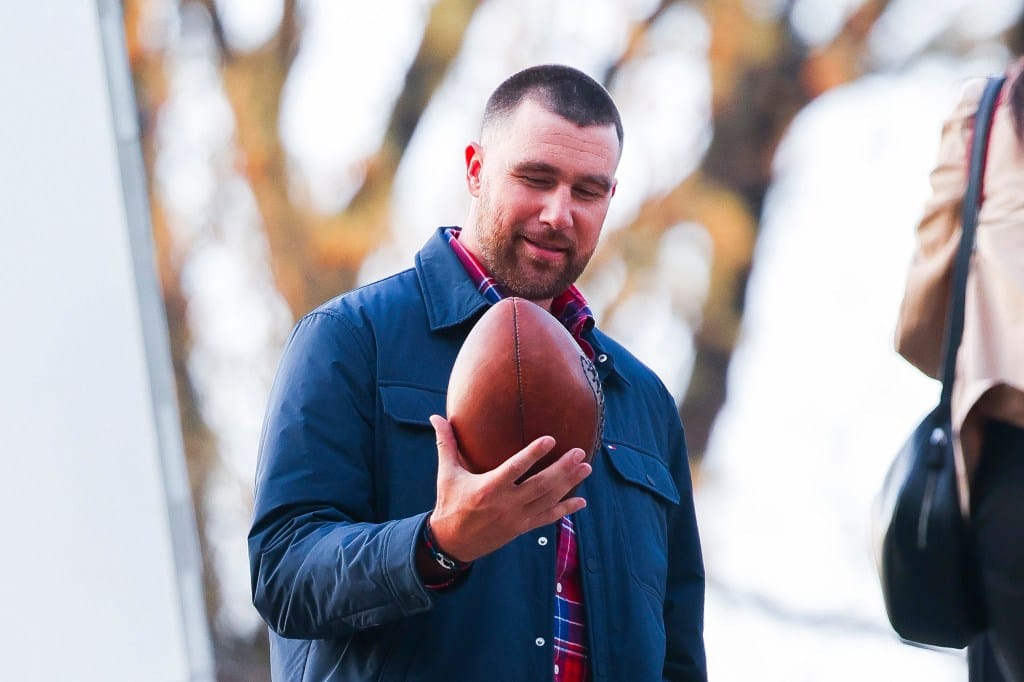
The athlete-as-ambassador model also solves a problem heritage brands have been struggling with for years: how to look current without alienating their core customer base. Kelce gives Tommy Hilfiger a way into younger, sports-adjacent audiences without abandoning the preppy codes that built the brand. He's famous enough to generate press, mainstream enough to avoid alienating mall shoppers, and tied to a cultural moment—Swift, the NFL's recent ratings boom—without being defined by it.
But the model only works as long as athletes stay athletes. The moment they try to become full-fledged celebrities—launching media companies, wading into politics, building personal brands that eclipse their sport—they lose the thing that made them valuable in the first place. Fashion doesn't want athletes who act like celebrities. It wants celebrities who behave like athletes: disciplined, contractually obligated, and replaceable.
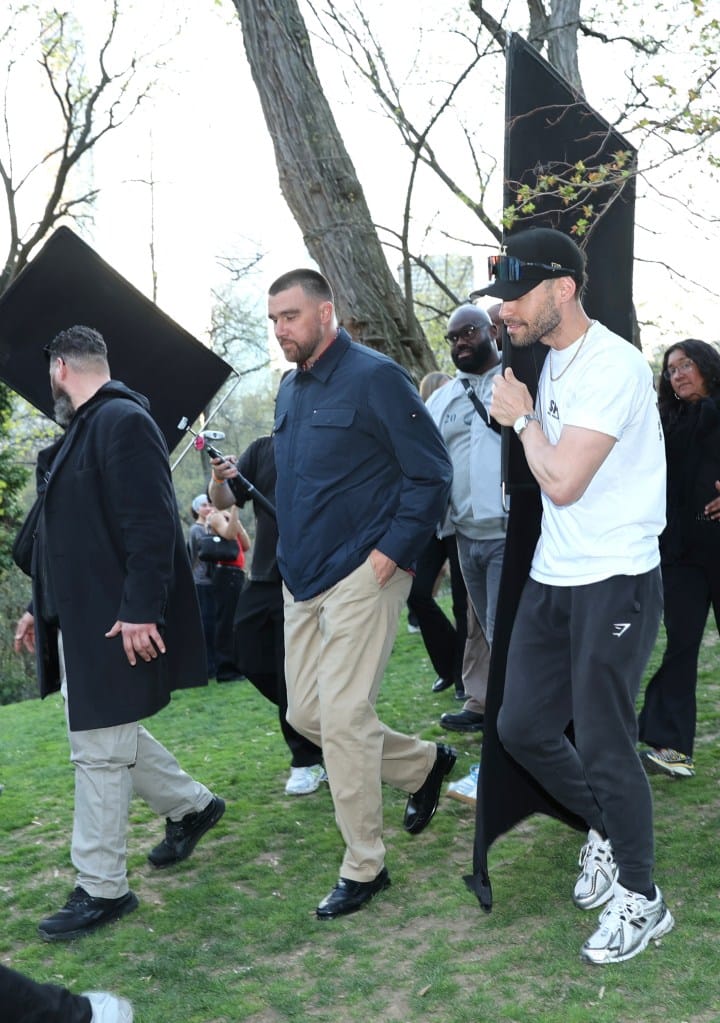
Kelce's Tommy Hilfiger campaign will likely be fine. It'll run in the fall, generate some Instagram engagement, maybe move a few rugby shirts. But the real story isn't the campaign—it's what it represents. Athletes have become fashion's safest bet because celebrity culture has become too unstable to insure. And as long as that remains true, expect more football players in heritage knitwear and fewer actors on fashion's payroll.