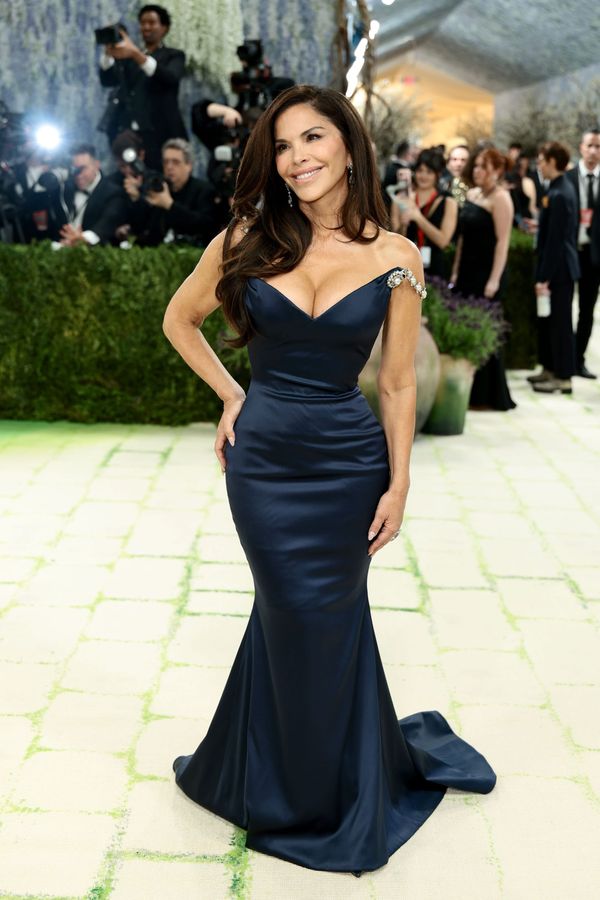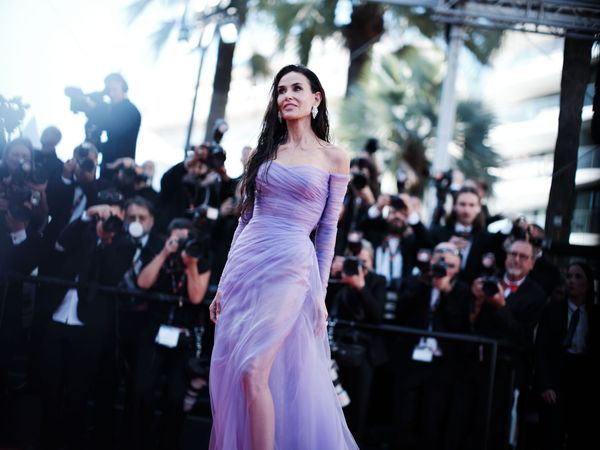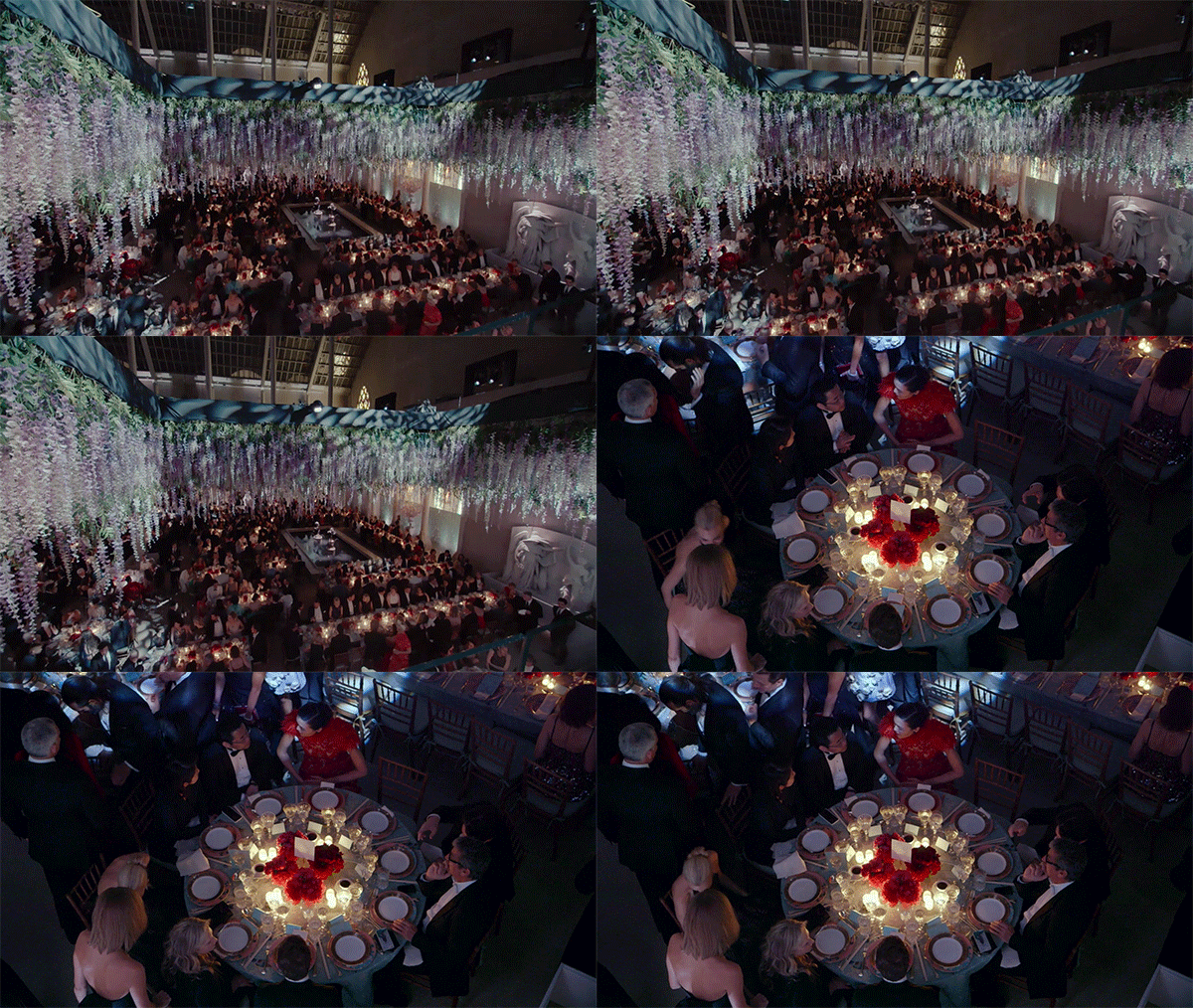
The Met Gala seating chart is decided months in advance, revised constantly, and finalized hours before the first guest arrives. It is not a party plan. It is an organizational chart for the entertainment industry's most visible power structure, rendered in place cards and table assignments.
Eaddy Kiernan Bunzel and Sache Taylor are the two women who make it happen. As Bunzel told Vogue, the process involves coordinating with publicists, managers, brand executives, and Anna Wintour's office to determine who sits where — and just as crucially, who sits next to whom. The goal is not just aesthetic harmony. It is strategic proximity.
Every table at the Met Gala is a micro-negotiation. Brands pay millions to sponsor tables, and those tables come with expectations: their ambassadors sit there, their executives sit there, and the celebrities they are courting sit there. A luxury house does not spend seven figures to seat its newest face next to a rival brand's creative director. The seating chart is a brand strategy document that happens to look like a floor plan.
But it is also a social engineering project. Bunzel and Taylor are tasked with creating moments — the kind that generate the next day's headlines, the paparazzi shots that define the event, the Instagram posts that prove someone was there and mattered. A table with the right mix of A-list actors, musicians, and designers becomes the visual center of the night. A table with the wrong mix becomes a cautionary tale about who is fading from relevance.
The Met Gala is a brand obligation dressed as a party, and the seating chart is where that obligation becomes visible. Publicists lobby for better placements. Managers negotiate on behalf of their clients. Brands pull rank. The final arrangement is not a reflection of who gets along or who would enjoy each other's company. It is a map of who has power, who needs exposure, and who is being positioned for the next phase of their career.
Taylor explained that the process involves constant adjustments. A last-minute brand deal changes a table. A celebrity drops out, and the entire configuration shifts. A publicist makes a request that cannot be ignored. The seating chart is a living document until the moment the doors open, and even then, adjustments happen in real time.
What makes the Met Gala seating chart different from other high-profile events is the level of scrutiny it receives. Every placement is analyzed, every pairing is interpreted as a signal. Sitting at Anna Wintour's table is a mark of status. Sitting at a brand's table is a mark of a business relationship. Sitting at a table with other emerging actors is a mark of being positioned as the next generation. The chart is not just logistical — it is editorial.
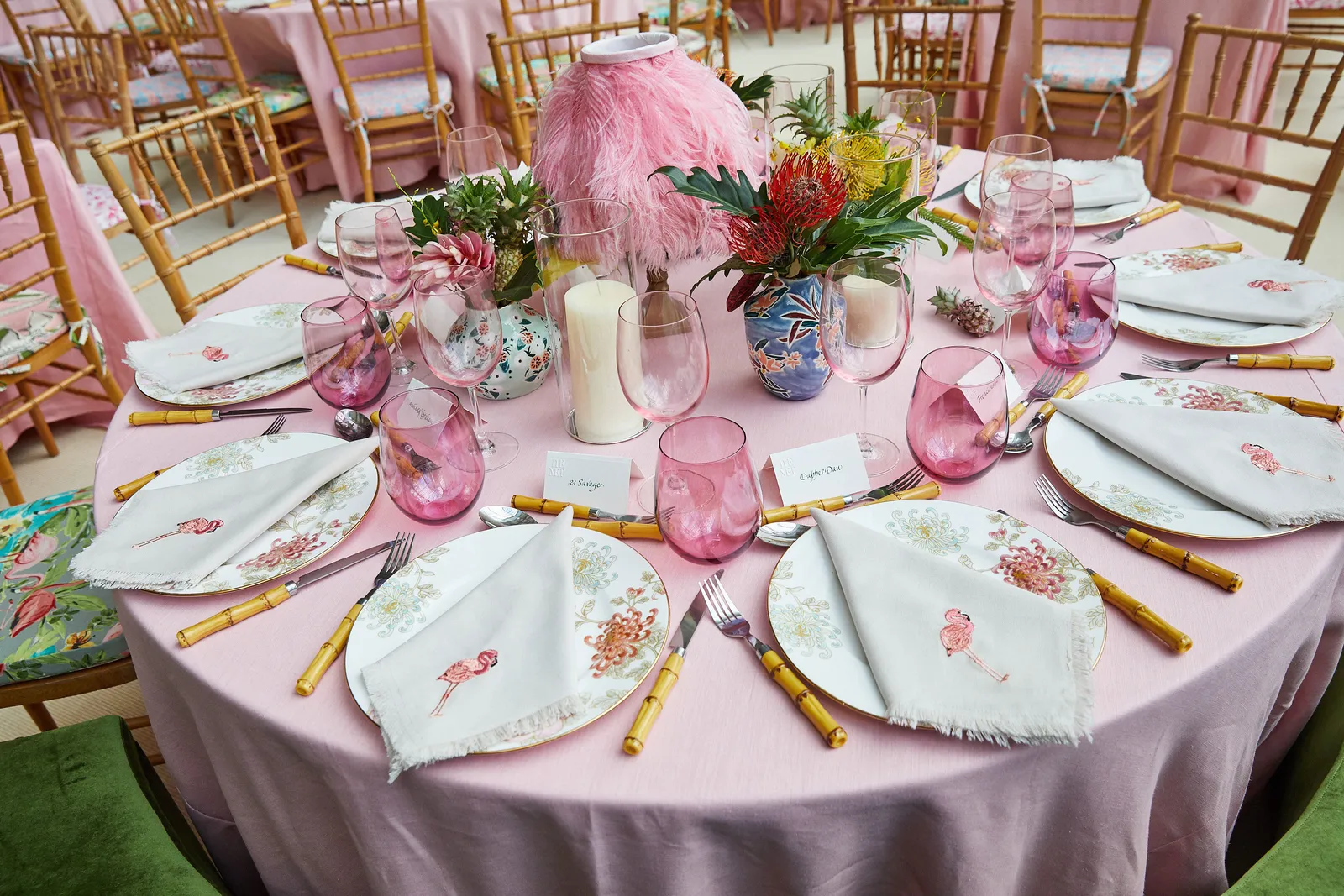
The fashion industry has always been about proximity. Who you are photographed with, who you are seated next to, who you are seen talking to — these are the signals that define your position in the ecosystem. The Met Gala seating chart formalizes that proximity into a system. It is not about friendship or chemistry. It is about optics, strategy, and the careful construction of narratives that will outlast the event itself.
Bunzel and Taylor are not event planners. They are power brokers. They manage relationships, balance competing interests, and make decisions that will be dissected by the press, analyzed by the industry, and remembered by the people who were there. The seating chart is their product, and it is one of the most consequential documents in fashion.

The Met Gala is often described as the Oscars of fashion, but the Oscars do not have a seating chart this complex. The Oscars seat people by category, by studio, by publicist request. The Met Gala seats people by cultural capital, by brand alignment, by the invisible hierarchies that govern who matters and who does not. It is a more honest system because it does not pretend to be anything other than what it is: a structured display of power.
What Bunzel and Taylor revealed in their conversation with Vogue is that the seating chart is not an afterthought. It is the event. The red carpet gets the attention, the fashion gets the coverage, but the seating chart is where the real work happens. It is where alliances are signaled, where new relationships are brokered, where the industry's next moves are quietly set in motion.
The Met Gala seating chart is not about making people comfortable. It is about making them useful. A well-placed actor can elevate a brand's table. A well-placed musician can generate the kind of cross-industry buzz that sponsors pay for. A well-placed influencer can turn a brand's investment into social media reach. The chart is a tool, and Bunzel and Taylor are the ones wielding it.
In an industry that increasingly runs on celebrity brand integration, the Met Gala seating chart is the most visible example of how that integration works. It is not subtle. It is not accidental. It is a deliberate, meticulously planned arrangement that reflects the business reality of fashion in 2026: everyone is a brand, every event is a transaction, and every seat is a statement about where you stand in the hierarchy.