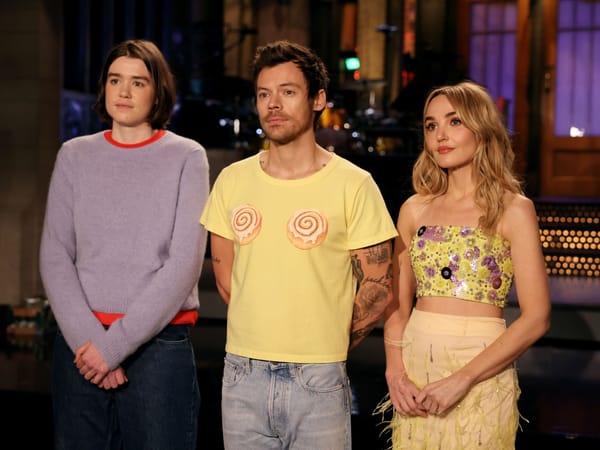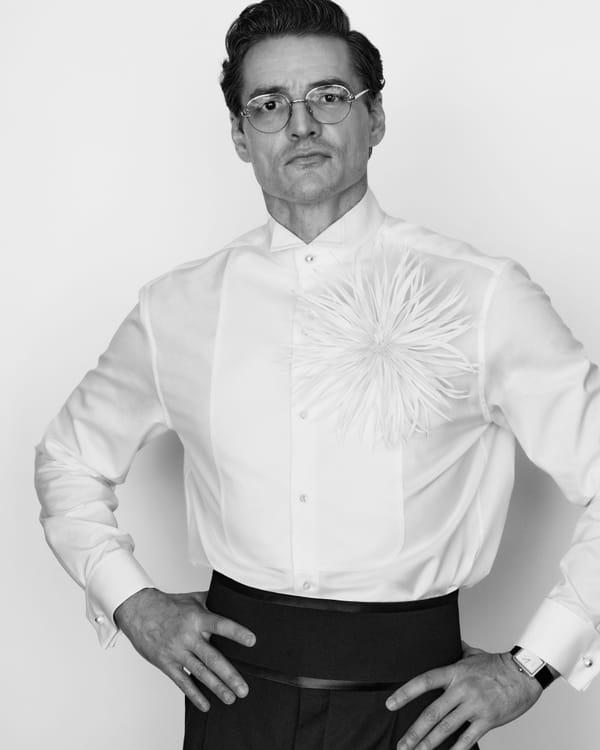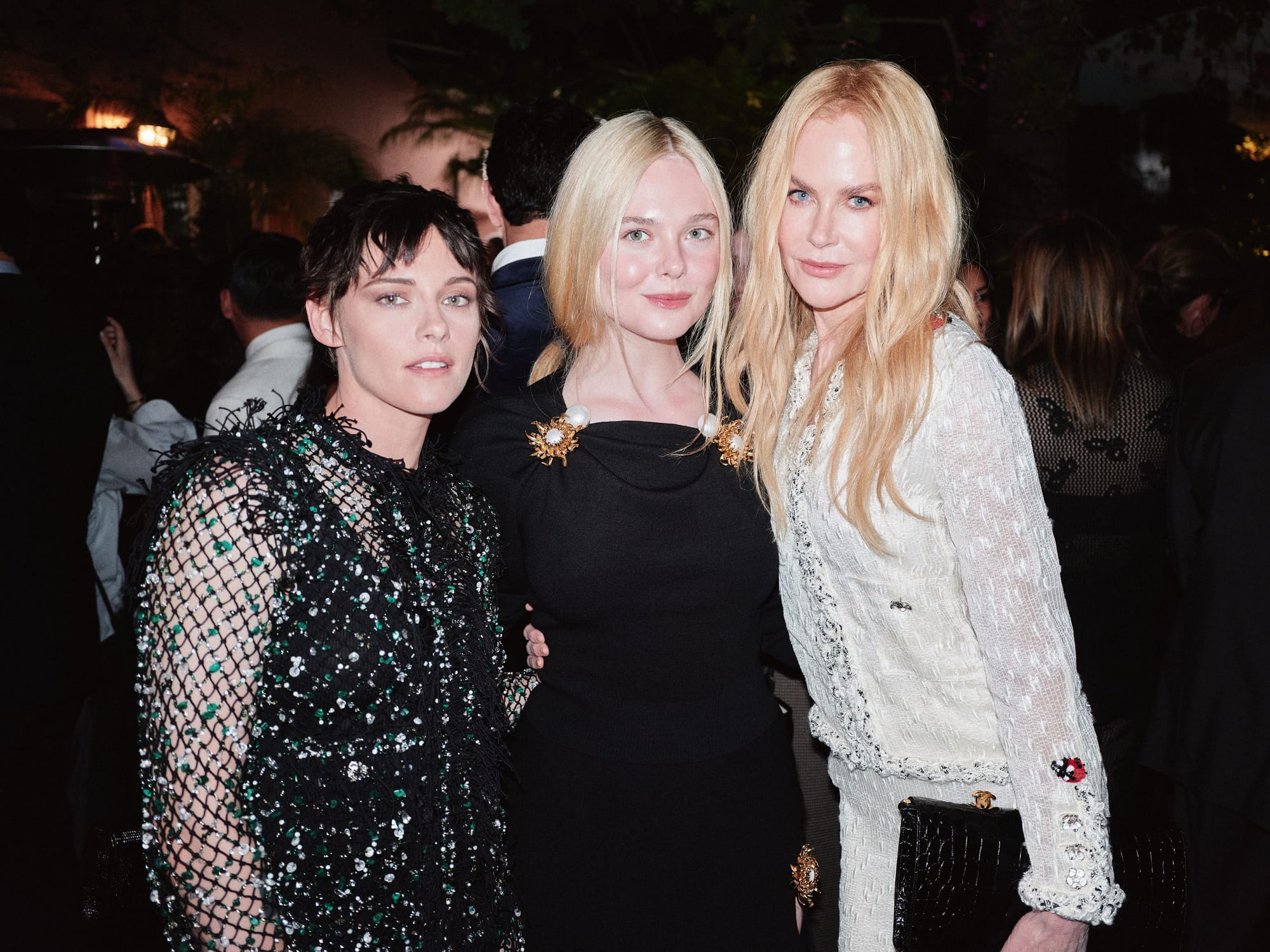
The 17th annual Charles Finch and Chanel pre-Oscar dinner took place Saturday evening at The Beverly Hills Hotel's Polo Lounge, according to Vogue, with a guest list that included Nicole Kidman, Kristen Stewart, Elle Fanning, Rose Byrne, Jessie Buckley, Wagner Moura, and Teyana Taylor. No livestream. No red carpet step-and-repeat. No influencer gifting suite. Just dinner.
That the Chanel-Finch dinner endures as Hollywood's most coveted pre-Oscar warm-up isn't because it offers better food or more famous faces than the dozen other industry events that weekend. It endures because it operates on a logic the rest of the celebrity ecosystem has abandoned: access still matters more than documentation. The dinner doesn't exist to generate content. It exists to consolidate power, broker relationships, and signal who belongs in the room. The fact that most people will never see the inside of it is the entire point.
In an era when every celebrity event is engineered for maximum social reach, the Chanel-Finch model looks almost quaint. No TikTok partnerships. No sponsored Instagram Stories. The guest list isn't designed to trend—it's designed to exclude. That's what makes it valuable. The same week that influencers are paying for access to Oscar-adjacent gifting lounges and brand activations, the industry's actual power players are eating dinner in a room most people will never enter. The exclusivity isn't performative. It's structural.
The dinner's staying power also reveals something about how celebrity capital still works, even as the creator economy has rewritten the rules of fame. A TikTok star can have 10 million followers and still not get invited to the Polo Lounge. A film actor with a fraction of that reach will. The Chanel-Finch dinner operates on old Hollywood logic: what matters is not your audience size but your industry relationships, your bankability, and your proximity to the people who green-light projects and write checks. The dinner is a reminder that influence and power are not the same thing.
This is the same principle that keeps Paris Fashion Week's front row relevant even as fashion brands pour money into influencer marketing. The front row is where you sit if you matter to the business, not if you have the most engaged followers. The Chanel-Finch dinner works the same way. It's not about who can generate the most impressions. It's about who the industry considers worth investing in.
The dinner also functions as a signaling mechanism in ways that more public events can't. Who sits next to whom. Who arrives together. Who leaves early. These are the kinds of social cues that matter in an industry built on relationships, and they only work when the room is small and the access is controlled. A step-and-repeat red carpet flattens everyone into the same grid of images. A private dinner preserves hierarchy.

What's notable is that Chanel—one of the most photographed, most public-facing luxury brands in the world—continues to invest in an event that offers almost no traditional marketing ROI. No official campaign images. No wide-reaching press coverage beyond a few curated outlets. The value proposition is entirely about proximity and prestige, not reach. It's a bet that in an attention economy, scarcity still commands premium value. And seventeen years in, the bet keeps paying off.
The fact that the same format works year after year also suggests that Hollywood's appetite for actual privacy—real exclusivity, not the performed kind—hasn't disappeared. It's just gone underground. The industry still wants spaces where business can happen without documentation, where relationships can be brokered without an audience, where presence isn't immediately converted into content. The Chanel-Finch dinner survives because it offers something Instagram can't: a room where being seen by the right 50 people matters more than being seen by 5 million.
As long as the film industry remains a relationship business—and as long as a single dinner conversation can still lead to a role, a deal, or a collaboration—events like this will continue to matter. The question is whether the next generation of stars, raised on metrics and engagement rates, will value a seat at a table no one else can see. For now, the Polo Lounge is still full.