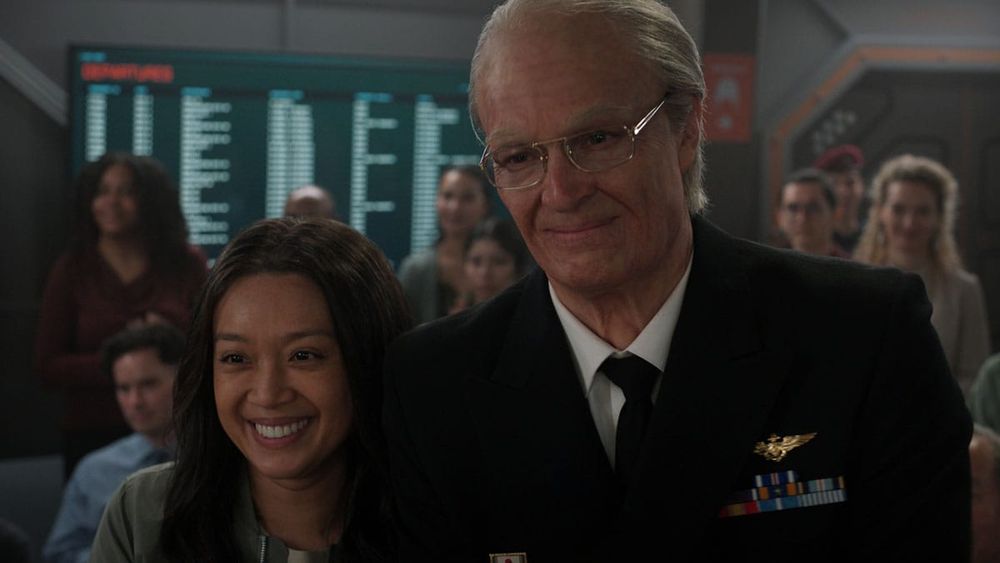
Apple TV+ renewed For All Mankind for a sixth and final season, announcing the conclusion before the show's fifth season even premieres. The alternate-history space drama from Ronald D. Moore will end its run with advance notice, narrative closure, and presumably a 90-something Ed Baldwin still floating around the cosmos. It's a quiet flex of prestige strategy: Apple is choosing to end a critically acclaimed show on its own terms rather than waiting for viewership to decay, budget bloat to become untenable, or creative exhaustion to set in.
The move positions Apple TV+ closer to HBO's traditional playbook than Netflix's scale-obsessed churn model. HBO built its reputation on knowing when to close the curtain — sometimes too early (Deadwood), sometimes perfectly (The Leftovers), but always with the understanding that a planned ending protects legacy. Netflix, by contrast, has spent years canceling shows abruptly after two seasons or letting them limp into irrelevance across five. Streaming platforms have struggled with this balance — the economics demand constant new content to justify subscription fees, but prestige requires curation and restraint.
For All Mankind has never been Apple's flashiest show. It doesn't generate the cultural conversation of Severance or the awards heat of The Morning Show. But it's been consistently strong across four seasons, building a dedicated audience and critical respect without becoming a phenomenon. That's exactly the kind of show that benefits most from a planned exit. The announcement signals confidence: Apple believes the show's final season will matter more as a complete narrative than as an indefinitely extended revenue stream.
The timing also reveals something about Apple's broader content philosophy. The company isn't trying to build a library of 47-season procedurals that run until the leads age out. It's building a curated slate where shows have beginnings, middles, and ends ��� closer to the film model Apple understands than the traditional TV model it's still learning. This approach prioritizes creator relationships and critical goodwill over raw subscriber retention metrics, betting that a reputation for quality endings will attract better talent than a reputation for abrupt cancellations.
The contrast with other streamers is stark. Amazon's The Expanse got a final season after fan campaigns and uncertainty. Netflix's Sense8 required a petition and a compromise two-hour finale. Apple is announcing For All Mankind's conclusion a full season in advance, giving the creative team time to build toward a satisfying ending rather than scrambling to wrap loose threads. It's the kind of decision that costs more in the short term — keeping a show on the air for a planned final season rather than cutting it when the numbers dip — but pays off in industry reputation.
There's also a practical element: For All Mankind's cast is aging in real time alongside their characters, and the show's premise — jumping forward a decade each season — has built-in expiration dates. Joel Kinnaman, who plays Ed Baldwin, is 46 playing a character who would be approaching 90 by season six. The show can either embrace increasingly ambitious aging makeup, recast, or end. Apple chose the cleanest exit. That's not creative cowardice — it's recognizing when a concept has a natural endpoint and respecting it.
The decision matters because it sets a precedent for how Apple TV+ handles its prestige slate as those shows mature. Severance will eventually need an ending. Silo can't run forever. The Morning Show is already stretching its premise. Streaming platforms are still figuring out what their content libraries should look like long-term, and Apple is quietly building a model where quality trumps quantity, planned endings trump indefinite extensions, and critical legacy matters more than raw subscriber math.
For All Mankind's final season won't arrive until after season five concludes, meaning Apple is playing a long game here — maintaining audience investment across two more seasons by promising resolution rather than leaving the door open for cancellation. It's a bet that transparency builds loyalty, that viewers will stick with a show if they know it's going somewhere specific. Whether that bet pays off depends on execution, but the strategy itself is smarter than most streaming platforms have managed. Apple is learning that prestige isn't just about what you greenlight — it's about how gracefully you let things end.