Reality television confronted its workplace abuse problem in 2020. The Bachelor faced racial equity reckonings. Top Chef contestants spoke publicly about harassment. Bravo overhauled its HR infrastructure after multiple cast members detailed toxic conditions. Game shows, meanwhile, kept running the same playbook they'd used since the 1970s—until now.
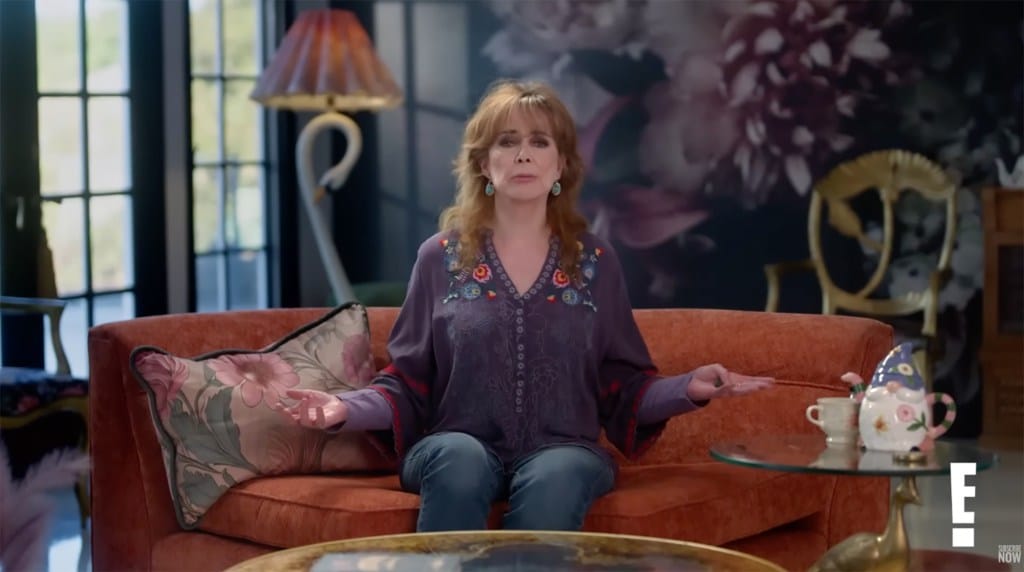
Holly Halstrom, 73, spent two decades as a model on The Price Is Right before Bob Barker fired her in 1995. Now, participating in E!'s new docuseries Dirty Rotten Scandals, she's publicly stating what she's apparently held back for three decades: "I hate that man." She rails against Barker's "justification for firing" her and the workplace culture that allowed it. The allegations arrive in documentary form—packaged for streaming, contextualized within a larger scandal narrative, and positioned as historical reckoning rather than breaking news.
Game shows have always operated in a strange regulatory and cultural space. They're not scripted drama, so they don't fall under traditional Hollywood labor protections. They're not quite reality TV, so they avoided the post-Survivor scrutiny that eventually forced production companies to implement contestant welfare protocols. They existed in a regulatory gap—union rules didn't quite apply, reality TV ethics hadn't been invented yet, and the format's wholesome branding insulated them from the kind of workplace investigations that hit late-night shows and sitcoms. Barker retired in 2007 with his legacy intact. Halstrom's allegations, like the uncomfortable realities reality TV finally started addressing, were treated as isolated incidents rather than systemic problems.
What's striking about the timing is how far behind game shows are. Reality TV's #MeToo moment happened in real time—contestants spoke out on social media, production companies responded publicly, and the industry restructured (however imperfectly) while the shows were still airing. Hollywood's broader reckoning with how it treats women over 40 has reshaped casting, compensation, and public discourse. Game shows, by contrast, are getting their accountability moment through archival docuseries—retrospectives that treat decades-old workplace abuse as historical curiosity rather than urgent industry reform.
The docuseries format itself is telling. E!'s Dirty Rotten Scandals positions Halstrom's story alongside other entertainment industry controversies, framing it as scandal rather than labor issue. It's true crime packaging applied to workplace dynamics—dramatic, binge-watchable, and safely distanced from any institutional obligation to change current practices. The format works for audiences who want the satisfaction of moral clarity without the discomfort of ongoing complicity. It works less well as a mechanism for accountability when the industry it's documenting has largely moved on.
Game shows today are different operations—Jeopardy! and Wheel of Fortune have rotating hosts, celebrity editions, and media scrutiny that didn't exist in Barker's era. But the structural issues Halstrom describes—power imbalances between hosts and models, limited recourse for on-set complaints, the disposability of women who age out of their roles—haven't been addressed with the same urgency that reshaped reality television. There's no game show equivalent to the Reality TV Reckoning that forced Bravo, MTV, and Netflix to publish diversity reports and hire independent investigators.
The gap matters because game shows are still operating. They're still hiring models, still built around host-driven power structures, still functioning in that regulatory gray zone between scripted and unscripted television. Halstrom's allegations landing in a docuseries rather than sparking immediate industry reform suggests that game shows have successfully avoided the institutional pressure that reality TV couldn't escape. The difference isn't that game shows are cleaner—it's that they've managed to stay boring enough, wholesome enough, and legacy-adjacent enough to avoid the scrutiny that transformed their reality TV cousins.
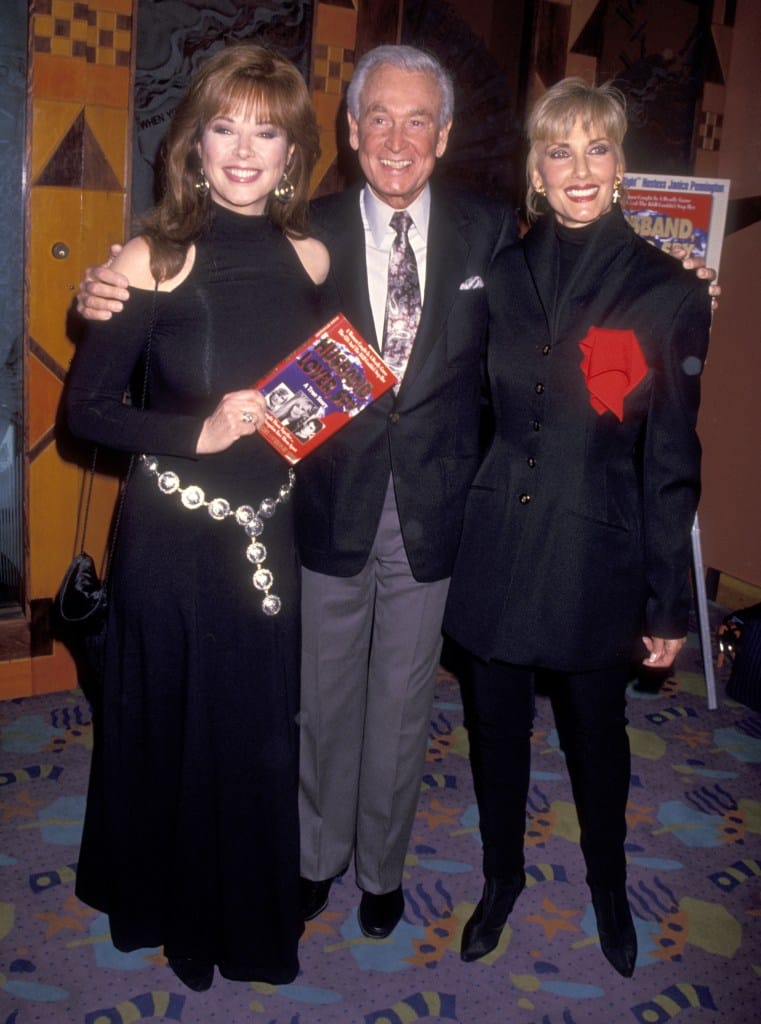
Barker died in 2023. Halstrom's on-the-record condemnation arrives too late for legal accountability, too late for career vindication, and too late to reshape the industry that enabled the behavior she describes. What it does offer is a data point: game shows are finally being held to the same standards reality TV faced years ago. Whether that translates into structural change or just more documentary content remains the open question.