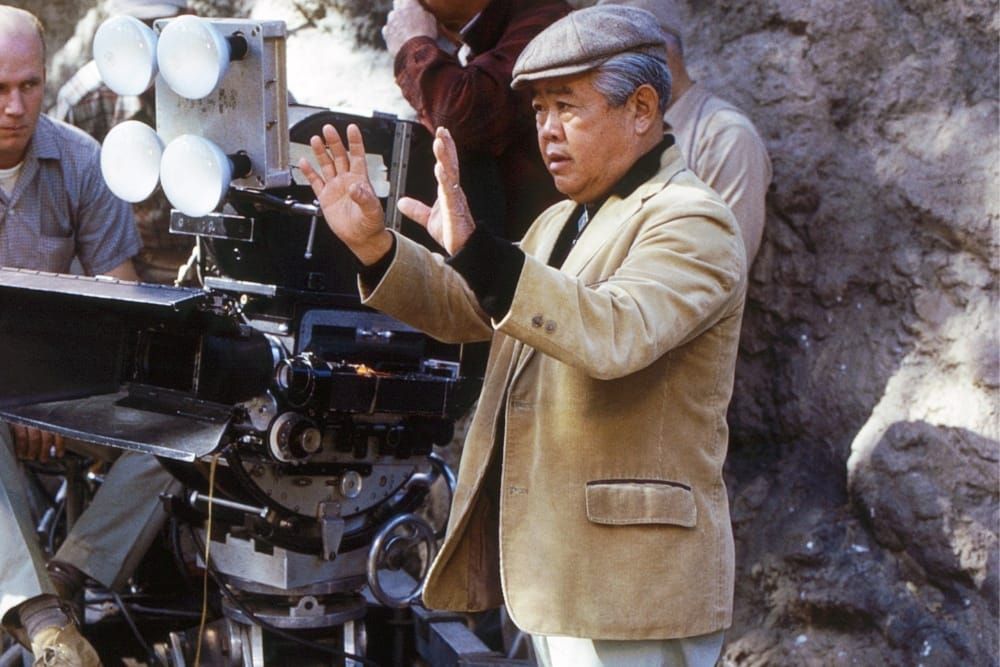
James Wong Howe won two Academy Awards for cinematography—The Rose Tattoo in 1956 and Hud in 1964—and was nominated for another eight. He shot 130 films over five decades, pioneering deep-focus photography, low-key lighting, and handheld camerawork that influenced generations of filmmakers. He died in 1976. It took Hollywood 50 years to greenlight a biopic.
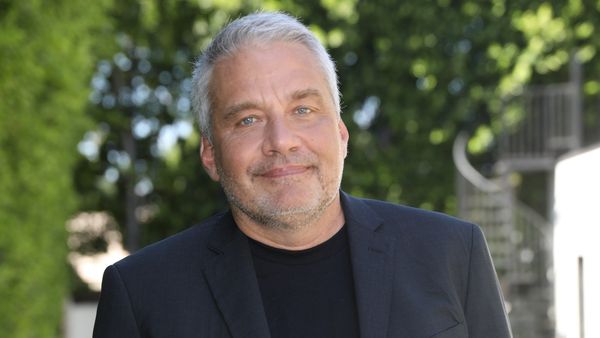
Hong Kong filmmaker Herman Yau has been attached to direct The Cinematographer, a biographical feature on Howe's life, according to Variety. The attachment was finalized during the recently concluded Hong Kong FilMart. Award-winning art director and costume designer Man Lim Chung, best known for In the Mood for Love, has also joined the project. The film will be produced by Hong Kong-based Salon Films and China's Horgos Coloroom Pictures, with a production timeline targeting 2027.
The timing matters. Howe's career spanned Hollywood's most racist decades—the Chinese Exclusion Act wasn't repealed until 1943, midway through his working life—and his technical genius coexisted with systemic barriers that kept him from directing, limited his on-screen credit, and excluded him from industry spaces his white peers took for granted. He couldn't marry his white wife, novelist Sanora Babb, until California's anti-miscegenation laws were overturned in 1948. He was 48 years old.
That Herman Yau, a Hong Kong director with 90 films to his name, is helming the project rather than a Hollywood studio signals something about who gets to tell these stories and why it took this long. Yau's filmography spans horror, crime thrillers, and historical dramas—he's commercially successful and critically respected in East Asian markets, but he's not a prestige Oscar-bait director. That's probably the point. The Cinematographer is being financed and produced outside the U.S. studio system, which means it doesn't have to perform the sanitized version of Hollywood history that studios prefer when they finally decide to acknowledge their own racism.
Hollywood has spent the last decade greenlighting biopics about marginalized figures—Hidden Figures, Judy, Respect—but the pattern reveals a selective memory. The industry is comfortable celebrating pioneers once enough time has passed that their stories feel historical rather than accusatory. Howe's biopic arrives at a moment when Hollywood's treatment of marginalized talent is under renewed scrutiny, particularly around representation, compensation, and who controls the narrative. A film about an Asian cinematographer who shaped the visual grammar of American cinema while being legally barred from full participation in American life is not a feel-good origin story—it's an indictment.
The project's Hong Kong-China co-production structure also reflects a shift in where Asian stories get financed and who they're made for. Howe was born in Guangzhou, emigrated as a child, and spent his career navigating the tension between his Chinese identity and Hollywood's demands. A biopic produced in Hong Kong, with a Hong Kong director and a production designer who worked with Wong Kar-wai, centers that identity rather than treating it as biographical footnote. It's the difference between a story about an immigrant who succeeded despite racism and a story about what racism cost him—and what Hollywood gained from his labor while denying him full recognition.
Howe's technical innovations—deep focus, low-angle shots, naturalistic lighting—are now standard film school curriculum, taught without always crediting the man who invented them. His work on The Thin Man, The Adventures of Tom Sawyer, Kings Row, and Sweet Smell of Success defined what American cinema looked like for decades. He trained cameramen who went on to shoot the New Hollywood films of the 1970s. His influence is everywhere, even when his name isn't. That invisibility—pioneering the craft while being erased from its history—is the story Hollywood has been avoiding.
The question is whether The Cinematographer will get the distribution and awards-season push that American biopics receive, or whether it will play festivals and niche markets while Hollywood continues to celebrate its own mythologized version of progress. Howe's story deserves the full prestige treatment—the kind of campaign that turns a historical figure into a household name. But prestige is a function of power, and power in Hollywood still belongs to the institutions that spent decades keeping people like Howe out. A Hong Kong-financed biopic about a Chinese-American cinematographer is a test of whether the industry is ready to cede control of its own origin stories—or whether it will let this one pass quietly, the way it let Howe's career pass without the recognition he earned.