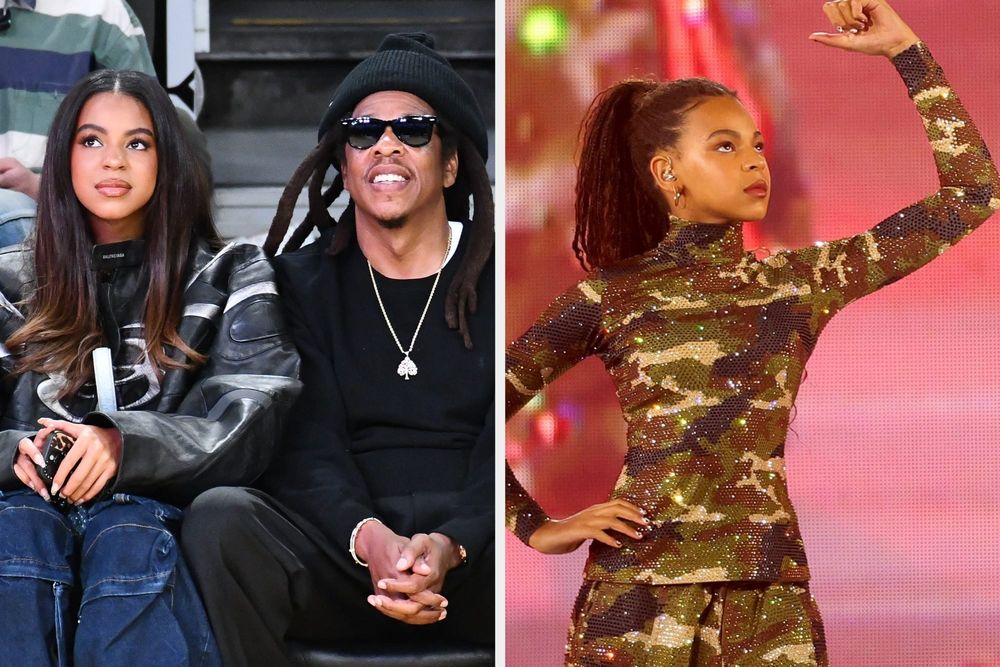
JAY-Z has spent two decades controlling his narrative with surgical precision. He doesn't do press tours lightly. So when he showed up to promote Mufasa: The Lion King and spent interview after interview emphasizing Blue Ivy's work ethic — her auditions, her discipline, her refusal to leave the stage — it wasn't paternal pride talking. It was damage control.
In a recent interview with BuzzFeed, JAY-Z described Blue Ivy's dedication to her role as Kiara in terms that sounded less like a proud father and more like a casting director defending a controversial hire. "I don't think we're going to be able to get her off that stage now," he said — framing her performance as the result of genuine passion and commitment rather than inherited access. The subtext was clear: she earned this.
That JAY-Z feels compelled to make this case at all is the clearest sign yet that nepo baby discourse has fundamentally shifted the terms of celebrity parenting. Five years ago, a famous child landing a role in a major studio film would have been treated as charming dynastic continuity — Hollywood royalty doing what Hollywood royalty does. Now it's presumed illegitimate until proven otherwise. The burden of proof has reversed, and parents like JAY-Z are stuck playing defense.
The nepo baby conversation started as a useful corrective — a way to acknowledge that access, not just talent, shapes who gets opportunities in entertainment. But it's calcified into a reflex that treats every child of a celebrity as fundamentally undeserving, regardless of the work they put in. Blue Ivy didn't just voice a character. She auditioned multiple times. She trained. She showed up. And her father still has to go on a press tour to explain that she's not a fraud.
This is the same dynamic Zendaya navigates when she performs her public image with Law Roach — constant, preemptive management of how she'll be perceived. Except Zendaya built her career from Disney Channel up. Blue Ivy was born into it. She never had the option of being unknown. And now, at twelve years old, she's already being asked to justify her existence in public.
The discourse has also created a bizarre incentive structure where celebrity parents have to perform humility about their children's achievements while simultaneously promoting them. JAY-Z can't just say "my daughter is in Mufasa" — he has to contextualize it, explain it, frame it as meritocratic. The result is a kind of defensive PR that treats talent as something that must be constantly re-proven, as if the initial suspicion never fully goes away.
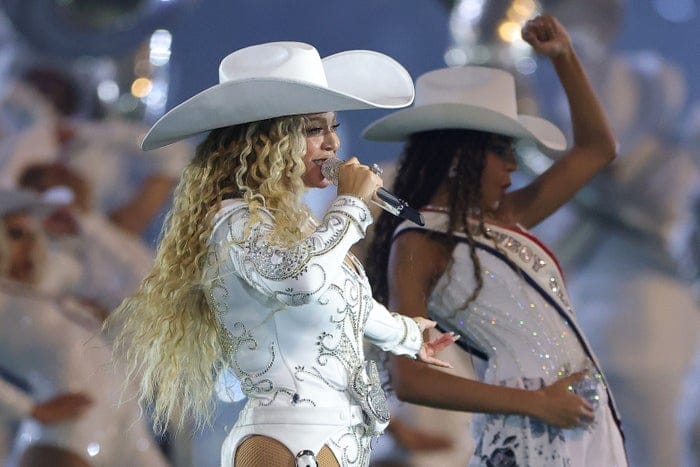
What's particularly uncomfortable is how this maps onto broader cultural anxieties about inherited wealth and privilege. Blue Ivy didn't choose her parents any more than she chose her opportunities. But she's being held accountable for both in ways that feel less like accountability and more like punishment for being born into the wrong family. The nepo baby label has become a way to delegitimize people before they've had a chance to succeed or fail on their own terms.
And it's not as if JAY-Z's explanations will actually quiet the criticism. The people who believe Blue Ivy only got the role because of her parents will continue to believe that regardless of how many auditions she sat through. The performance of meritocracy — the press tour, the interviews, the carefully constructed narrative — is less about changing minds and more about managing the discourse enough that it doesn't become the only story.
The real question is whether this is sustainable. Miley Cyrus spent twenty years running from her Disney past before she could reclaim it on her own terms. How long will Blue Ivy have to prove herself before she's allowed to just exist? And what does it say about how we talk about young people in the public eye that their parents now have to lawyer up every achievement with disclaimers and explanations?
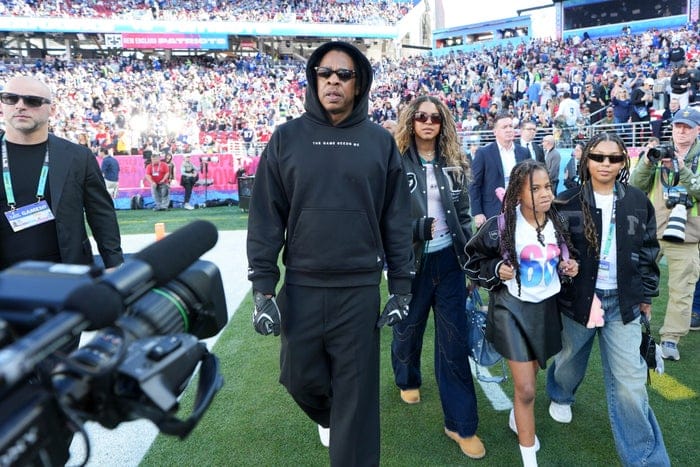
JAY-Z's comments aren't just about Blue Ivy. They're a preview of the script every famous parent will have to memorize going forward — a defensive playbook that treats every opportunity as suspect until cleared by public opinion. The nepo baby discourse started as a way to interrogate privilege. It's ended up as a gauntlet that even the most talented children of celebrities can't escape without their parents going on record to defend them. And that's not accountability. That's just exhausting.