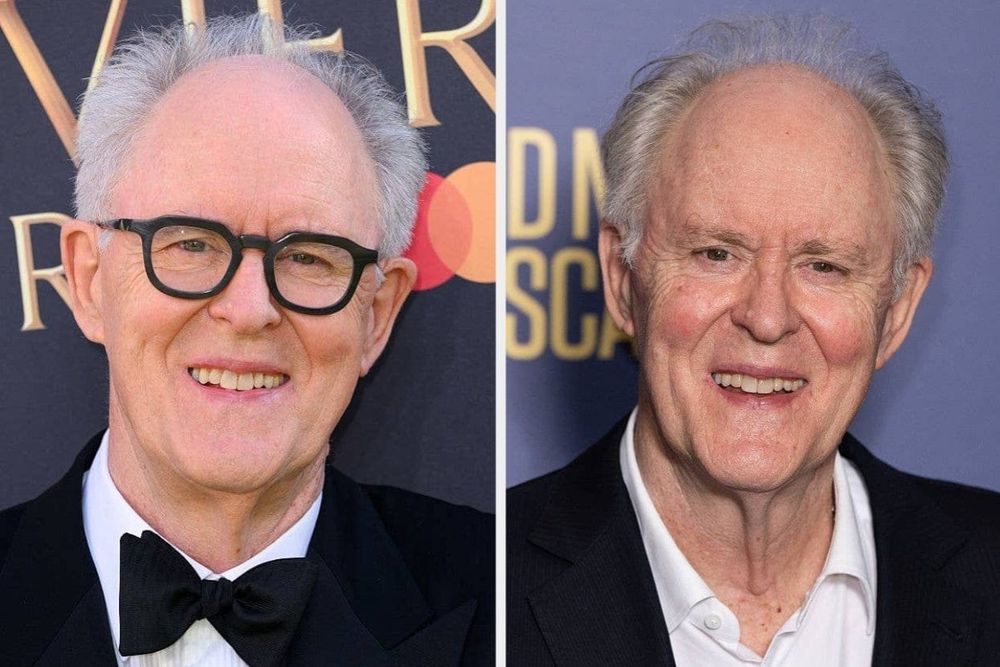
John Lithgow almost walked away from playing Dumbledore in HBO's upcoming Harry Potter series before he even started. Not because the role wasn't compelling. Not because the script was weak. But because the internet backlash was so immediate and so vicious that the 79-year-old actor—who has won six Emmys, two Tonys, and spent five decades building one of the most respected careers in American theater and television—briefly considered that following Richard Harris and Michael Gambon might not be worth the grief.
Lithgow told BuzzFeed that the response to his casting announcement was so hostile that he seriously questioned whether he should continue. He eventually decided to stay with the project, but the fact that he hesitated at all reveals something uncomfortable about how legacy casting works now: the shadow of previous performances has become so long that actors are being asked to audition twice—once for the role, and once for an audience that has already decided they're wrong for it.
This is the creative trap legacy casting has become. When a role is this iconic, this beloved, this embedded in cultural memory, the new actor isn't just playing a character—they're negotiating with ghosts. Harris's Dumbledore was warm, grandfatherly, almost fragile. Gambon's was darker, more unpredictable, tinged with the moral ambiguity the later books required. Lithgow will inevitably be measured against both, and no matter what choices he makes, a portion of the audience will have already decided he failed before the first episode airs.
The problem isn't that fans care deeply about these characters—that's reasonable, even valuable. The problem is that the discourse around recasting has become so preemptively hostile that it's starting to function as a creative veto. Actors are being told, in real time and at scale, that they don't deserve the role before they've had a chance to inhabit it. And when someone as accomplished as Lithgow considers walking away because the vitriol isn't worth it, the industry has a problem it can't algorithm its way out of.
HBO is betting heavily on this Harry Potter series as a flagship for Max, part of the same strategy that has driven streaming platforms to raid their IP vaults for anything with built-in audience recognition. But legacy IP comes with legacy expectations, and those expectations are now being litigated in comment sections before a single frame is shot. The result is a creative environment where actors have to weigh not just the role itself, but whether they can withstand the discourse that comes with it.
This is different from the usual noise around casting announcements. When Miley Cyrus spent 20 years running from Hannah Montana, she was negotiating her relationship with a role she created. Lithgow is being asked to step into a role two beloved actors have already defined, in an adaptation of source material that has near-religious significance to its fanbase. The degree of difficulty isn't just high—it's compounded by the fact that the internet has made failure a public spectacle before success is even possible.
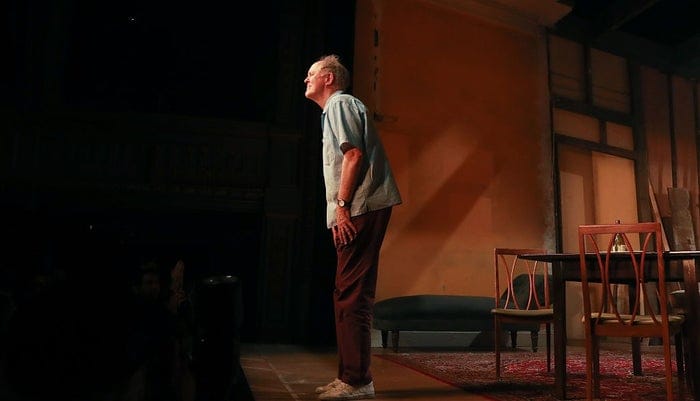
The irony is that Lithgow is an ideal choice for Dumbledore on paper. He has the gravitas, the range, the ability to move between warmth and menace that the role requires. He's proven he can handle complex, morally ambiguous characters—his work on Dexter and The Crown alone demonstrates that. But none of that matters if the discourse decides he's wrong before he's had a chance to prove otherwise.
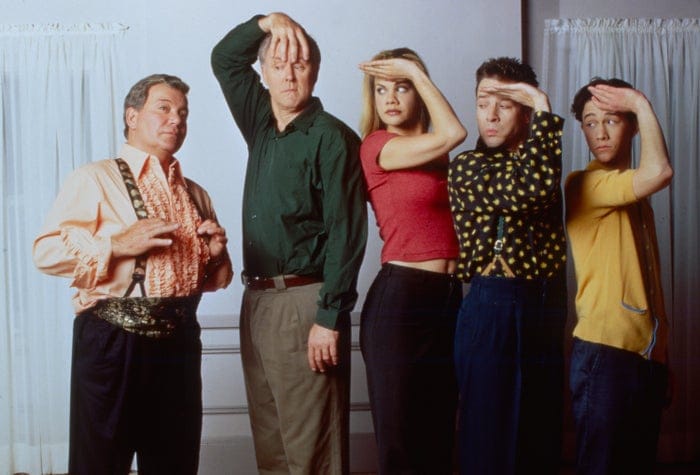
What's at stake here isn't just one actor's decision about one role. It's whether legacy casting can continue to function as a creative opportunity rather than a referendum. If the best actors start turning down iconic roles because the backlash isn't worth it, the industry loses more than individual performances—it loses the possibility that a new interpretation might be as good as, or even better than, the original. Lithgow stayed. The next actor might not.