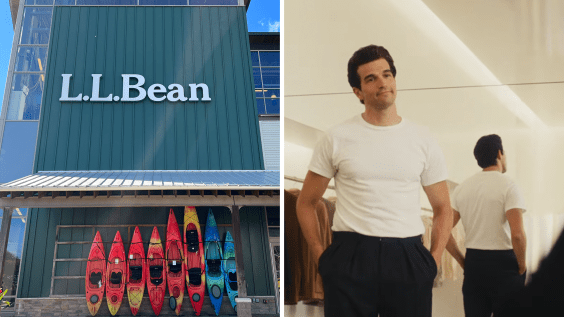
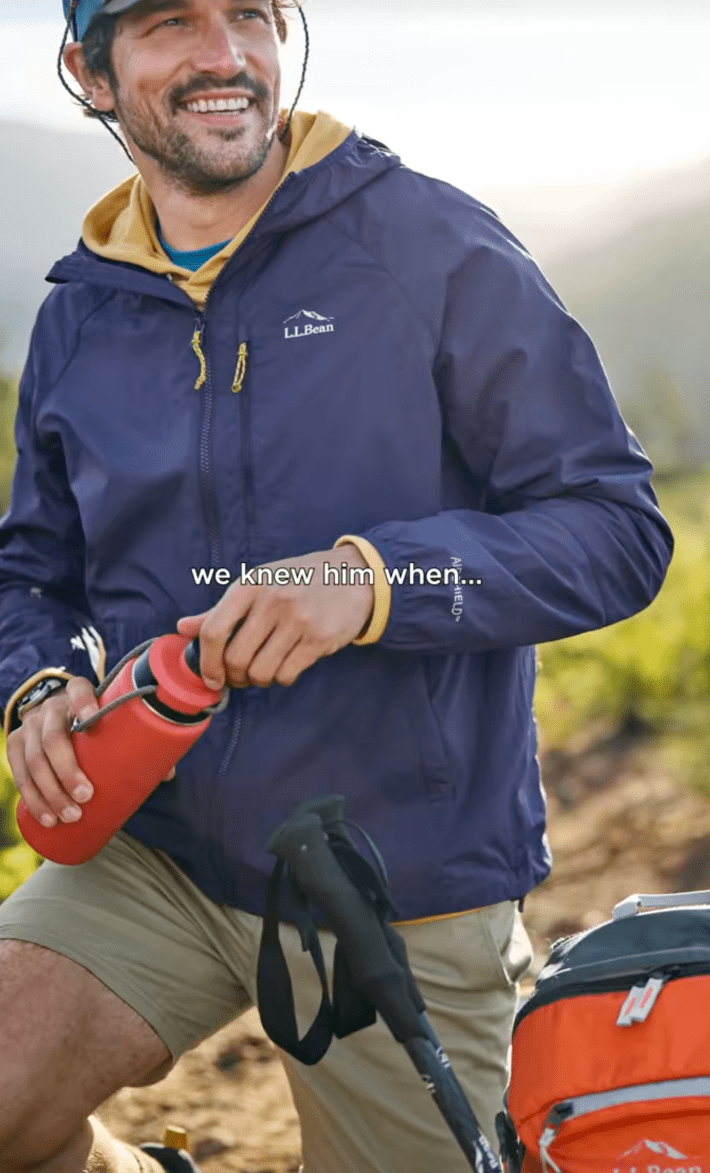
L.L. Bean hired a model. The internet recognized him from somewhere else. The brand's response—acknowledging Paul Anthony Kelly's modeling past with a knowing wink rather than corporate silence—marks a shift in how legacy brands are learning to handle virality they didn't orchestrate.
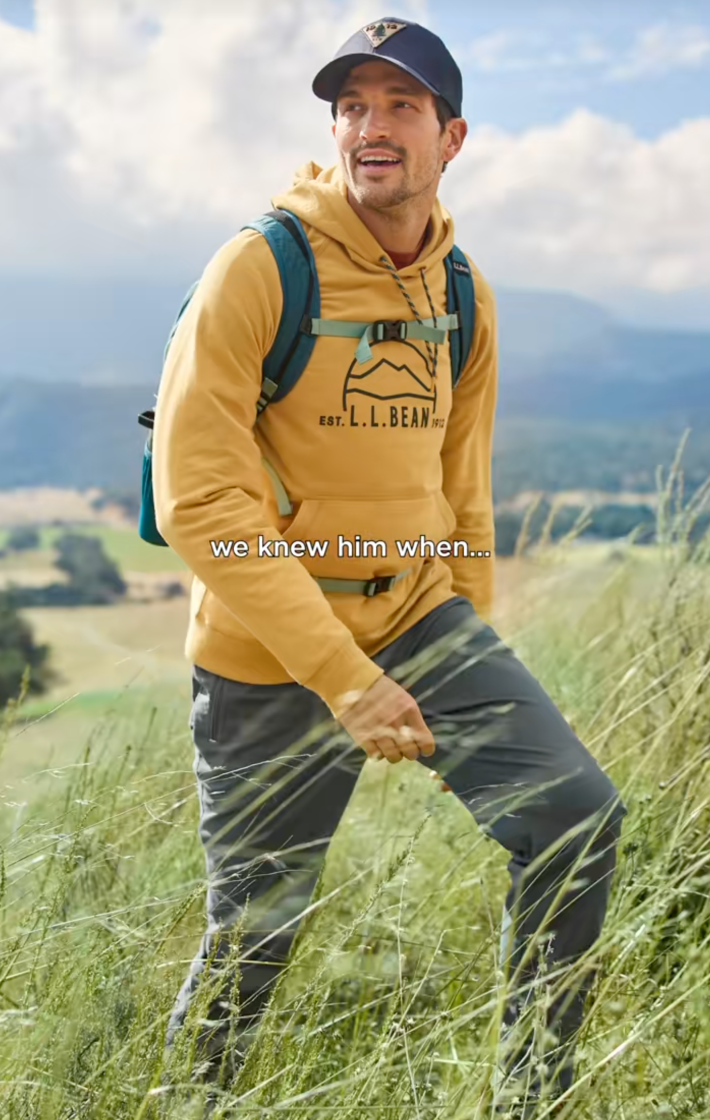
The moment arrived when Kelly appeared in L.L. Bean's latest campaign, and commenters across social platforms started piecing together where they'd seen him before. Instead of staying quiet or issuing a bland statement, L.L. Bean acknowledged the attention with the kind of self-aware humor that suggests someone in the marketing department actually understands how internet culture works in 2025.
This is new territory for a 113-year-old outdoor gear company. L.L. Bean built its brand on New England pragmatism and catalog reliability—not on playing along with viral moments or winking at its audience about a model's career history. But the response signals something bigger: legacy brands are finally learning that ignoring internet discourse doesn't make it go away, and that the cost of pretending virality isn't happening is higher than the risk of acknowledging it.
The old playbook was silence. When a brand's campaign went viral for unintended reasons—a model's past work, an accidental meme, a comment section that took on a life of its own—the default corporate response was to say nothing and wait for the cycle to move on. That strategy assumed the internet's attention span was shorter than its memory. It also assumed that brands maintaining a carefully controlled image was more valuable than appearing fluent in the culture their customers actually live in.
That assumption no longer holds. The internet's memory is long, its pattern recognition is faster than any PR team's response time, and audiences now expect brands to demonstrate cultural fluency rather than corporate opacity. When the Staples Baddie went viral, the company's initial silence read as out of touch. When Fox Entertainment hired Billy Parks to run creator studios, it was an admission that legacy media finally understood it needed to speak the platform economy's language.
L.L. Bean's acknowledgment of Kelly's modeling past is the same recognition applied to a different context. The brand didn't hire Kelly because of his previous work—they hired him because he fit the campaign's aesthetic. But when the internet connected the dots, L.L. Bean made the smarter choice: lean into the moment rather than pretend it isn't happening. The response wasn't defensive, wasn't corporate, and wasn't trying to control a narrative that was already out of their hands. It was just—aware.
This is the new skill set brands are being forced to develop: the ability to read a room that's moving faster than a marketing deck can anticipate, and to respond with the kind of cultural fluency that signals you're in on the joke rather than the punchline. It's not about being cool—it's about being competent in the medium where your audience actually lives. A brand that can't navigate a viral moment in 2025 is a brand that doesn't understand where its customers spend their attention.
The L.L. Bean moment is small, but it's a signal. Legacy brands are starting to understand that internet culture isn't a separate ecosystem they can choose to ignore—it's the primary context in which their campaigns will be received, interpreted, and remixed. The question isn't whether a brand's content will go viral for reasons they didn't plan. The question is whether they'll know what to do when it does.
And increasingly, the answer is: acknowledge it, move with it, and stop pretending the internet isn't watching. Because it is. And it already knows where it's seen your model before.