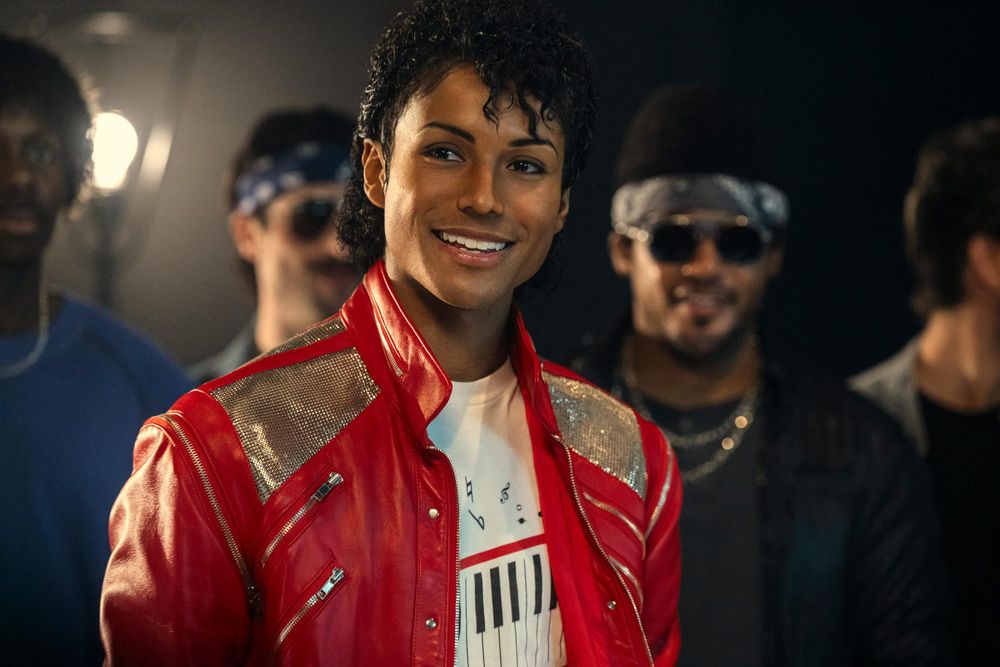
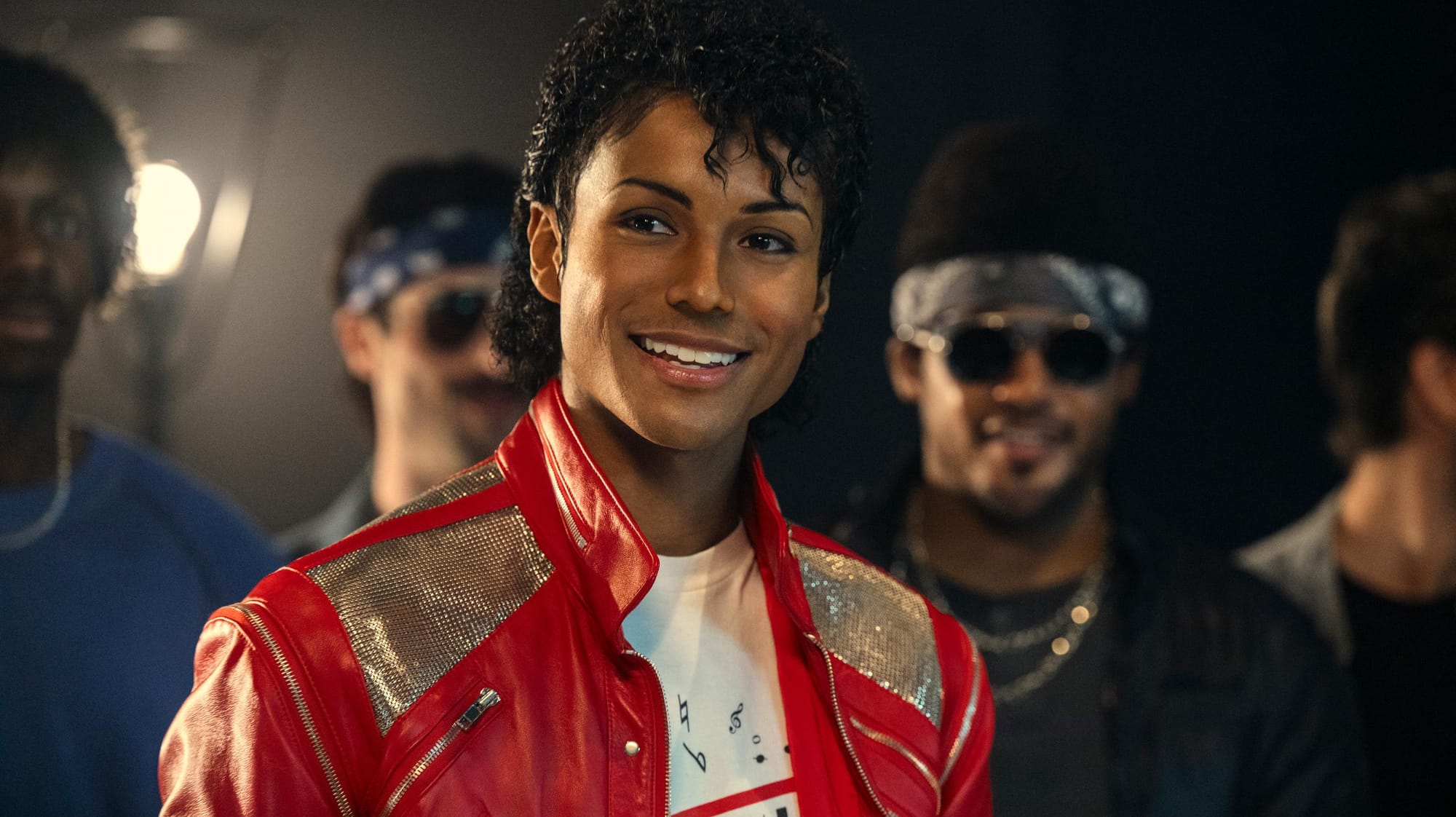
Lionsgate announced today that Michael, its Michael Jackson biopic, will have limited early-access screenings in premium formats on Wednesday, April 22 — two days before the film's wide release that Friday. Tickets for the one-night-only showings go on sale March 11 at 9 a.m. PT. The early screenings will be available exclusively in premium formats: IMAX, Dolby Cinema, and other upcharge auditoriums where ticket prices run $20 to $30 instead of the standard $12 to $16.
This is not a confidence play. This is a hedge.
The two-day early screening window has become Hollywood's favorite insurance policy against bad word-of-mouth. It front-loads opening weekend revenue by capturing the most motivated audience segment — the fans who will pay a premium to see the film first — before reviews, social media reactions, and audience scores have time to circulate widely. By the time the general public decides whether to buy a ticket on Friday night, Lionsgate will have already banked millions from Wednesday's premium screenings. If the film underperforms critically or the Jackson estate's editorial control results in a sanitized product that alienates critics, those Wednesday numbers cushion the blow.
The premium-format requirement is the tell. Lionsgate isn't just offering early access — it's pricing that access at a markup. IMAX and Dolby Cinema tickets cost 50 to 100 percent more than standard admission, and those upcharges flow directly to the studio in higher revenue-share agreements. For a biopic about a figure as polarizing and legally complicated as Michael Jackson, where the estate maintains creative approval and the film's portrayal of abuse allegations remains unknown, the studio is smart to extract maximum per-ticket revenue from the audience least likely to be deterred by controversy. Fans who are buying tickets two months in advance for a Wednesday night premium screening are not the demographic waiting for Rotten Tomatoes scores.
This strategy has become standard for event films with uncertain audience reception. Disney used it for The Marvels. Warner Bros. used it for The Flash. Both films had passionate core fanbases and significant question marks about broader appeal. Both studios used early premium screenings to lock in opening weekend revenue before word-of-mouth could suppress Friday and Saturday sales. The tactic works not because it builds buzz — it works because it circumvents buzz entirely.
The music biopic has become one of Hollywood's most reliable mid-budget bets, but Michael carries more baggage than Bohemian Rhapsody or Rocketman ever did. The Jackson estate's involvement suggests the film will avoid or minimize the abuse allegations that have defined Jackson's legacy since his death. That editorial control makes the film commercially safer — it won't alienate Jackson's remaining fanbase — but it also makes it critically vulnerable. A hagiography will get eviscerated by critics, and that critical response will shape whether casual audiences show up. Lionsgate knows this. The early screenings are designed to capture the fanbase before the reviews land.
The premium-format strategy also reveals how studios are using theatrical exhibition infrastructure to segment audiences by price sensitivity. The most devoted fans pay the most. The casual audience pays standard pricing — if they show up at all. The result is a box office model that prioritizes high per-ticket revenue from a smaller audience over broad accessibility. It's the same logic that has driven concert ticket pricing into dynamic, surge-based models: extract maximum value from the customers willing to pay it, and let everyone else wait or skip it.
What this strategy cannot do is build a film's cultural footprint. Early screenings generate opening weekend numbers, but they do not create the sustained audience engagement that turns a biopic into a cultural event. Bohemian Rhapsody became a phenomenon because audiences kept returning, because word-of-mouth was overwhelmingly positive, because the film played in theaters for months. Michael is being positioned for a different outcome: a big opening weekend, a steep second-weekend drop, and a fast transition to streaming. Lionsgate is not betting on longevity. It is betting on extraction.

The early screening announcement two months in advance also signals that Lionsgate is confident in its fanbase but not confident in its film. If the studio believed Michael would generate strong word-of-mouth, it would not need to lock in premium ticket sales two days before wide release. It would let the film play Friday night, let the audience reactions build organically, and let that momentum carry the weekend. Instead, Lionsgate is ensuring that its most valuable customers — the ones willing to pay $25 for a Wednesday night IMAX ticket — are already committed before anyone else has seen the film. That is not a marketing strategy. That is a risk management strategy. And it tells you everything about what the studio expects will happen once the lights go down.