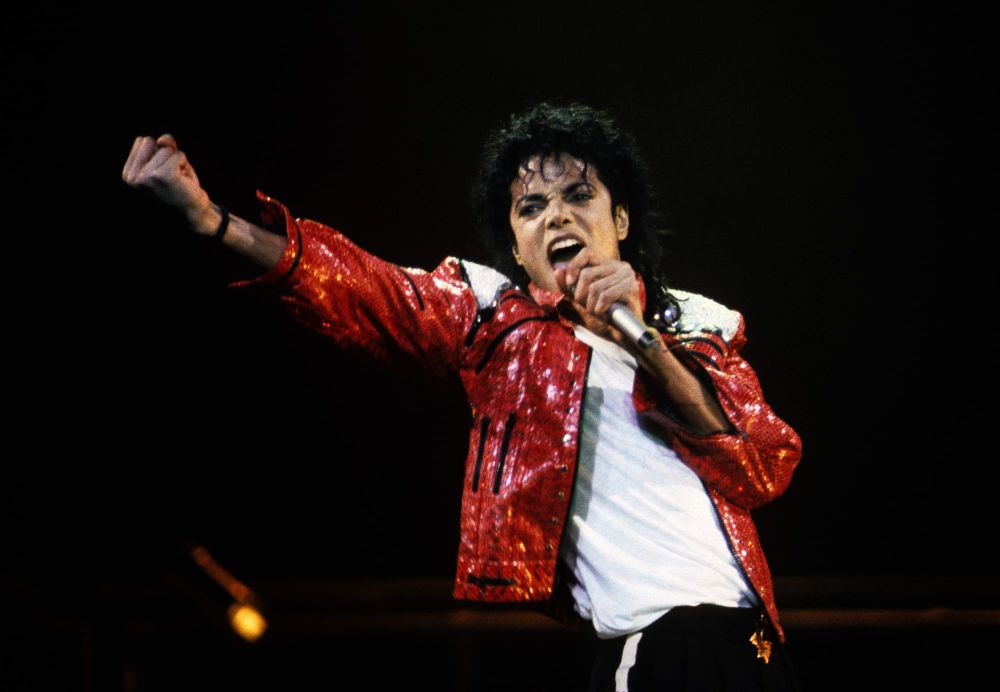
The Michael Jackson estate spent somewhere between $10 million and $15 million to remove child sexual abuse allegations from the ending of Michael, the Lionsgate biopic that tracked for a $55 million opening weekend before collapsing under the weight of its own mythology. According to reporting from Pitchfork, attorneys discovered a settlement clause with one of Jackson's accusers that prohibited depictions of the allegations in any dramatic work. The solution was expensive and telling: replace the abuse storyline with footage of Jackson at a triumphant concert, the kind of image the estate has spent decades trying to cement as the definitive narrative.
The original ending reportedly depicted Jackson facing allegations of child sexual abuse—an unavoidable part of his biography that the estate has worked relentlessly to minimize, reframe, or erase entirely. The settlement clause gave them legal cover to do what they've always wanted: remove the uncomfortable truth and replace it with spectacle. The concert footage that now closes the film is not just a narrative choice—it's a strategic repositioning. The estate didn't just edit out controversy. They spent the GDP of a small island nation to ensure the last image audiences see is Jackson as untouchable icon, not accused predator.
This is not revisionist history in the traditional sense. It's something more insidious: legacy management as a budgeted line item. The Michael Jackson estate has always operated like a corporation protecting a brand, but this is the first time the price tag for moral erasure has been made public. $15 million is what it costs to buy a different ending. It's what it costs to ensure that a generation of filmgoers who may know Jackson only through TikTok sound bites and catalog reissues never have to confront the allegations that defined the final decades of his life.
The estate's strategy has always been to outlast the controversy. They've done it through catalog sales, hologram performances, and carefully curated documentaries that frame Jackson as misunderstood rather than dangerous. The biopic was supposed to be the culmination of that effort—a $150 million theatrical event that would reset Jackson's public image for a new generation. Instead, it became a case study in how expensive it is to maintain a lie at scale.
The settlement clause that forced the change is a reminder that Jackson's accusers—many of whom were children when the abuse allegedly occurred—still have legal power over how his story is told. But that power is limited. The clause prevented the depiction of abuse allegations in the film, but it couldn't prevent the estate from spending millions to replace that narrative with something more palatable. The accusers may have won a legal battle, but the estate won the war of public perception. The film's ending now erases them entirely.
What's striking is how normalized this process has become. The Michael Jackson estate is not an outlier—it's a model. Celebrity estates and brands now operate with the understanding that legacy management is not just about preserving memory—it's about controlling narrative through legal, financial, and media infrastructure. The $15 million spent on reshoots is a rounding error compared to the estate's annual revenue, which has topped $2 billion since Jackson's death in 2009. The estate doesn't just manage Jackson's catalog—it manages the story of who he was, and just as crucially, who he wasn't.
The concert footage that replaced the abuse allegations is not neutral. It's a deliberate choice to end the film on a note of triumph, to leave audiences with the image of Jackson as a performer at the height of his powers. It's the same strategy the estate has used for years: when confronted with uncomfortable truths, pivot to spectacle. When the conversation turns to allegations, redirect to album sales. When critics ask why the estate continues to profit from a man credibly accused of abusing children, point to the music and ask if art can be separated from the artist. The answer, for the estate, is always yes—as long as you have enough money to make the question go away.
The biopic's box office performance will determine whether the investment was worth it. Early tracking suggested Michael could open to $55 million, a number that would make it one of the most successful music biopics in recent memory. But the film's troubled production—plagued by delays, reshoots, and now the revelation of a $15 million narrative overhaul—has cast doubt on whether audiences will show up. The estate is betting that spectacle will win out over scrutiny, that the allure of seeing Jackson's life on the big screen will outweigh the discomfort of knowing the film deliberately erased the darkest chapters of that life.
What the estate has created is not a biopic—it's a brand extension. The film exists to reinforce the mythology the estate has spent 15 years constructing: Jackson as misunderstood genius, Jackson as victim of a media witch hunt, Jackson as anything other than a man who used his power and fame to gain access to children. The $15 million spent on reshoots is not just the cost of legal compliance—it's the cost of maintaining that mythology in an era when audiences are increasingly skeptical of celebrity narratives that ask them to look the other way.
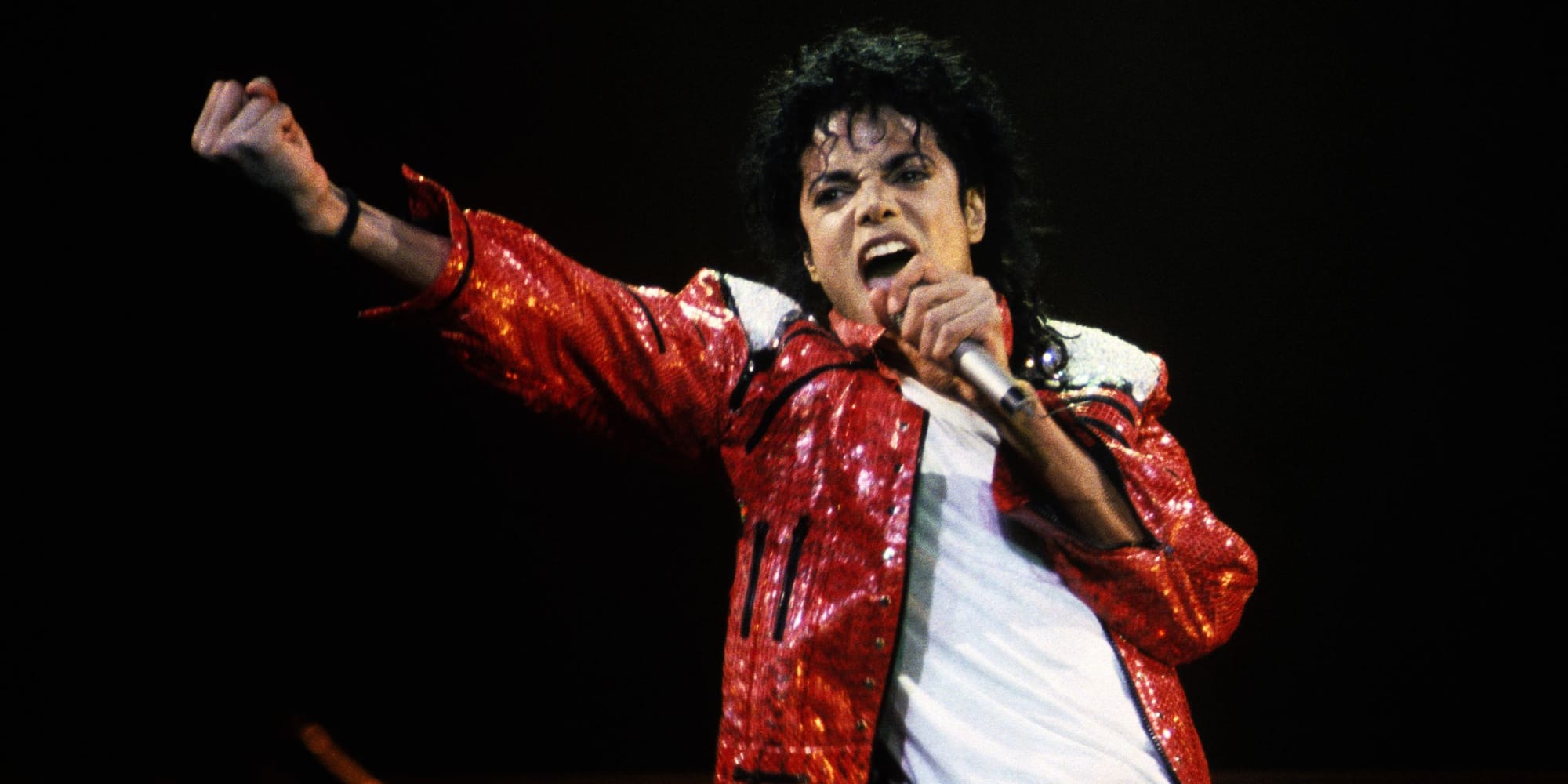
The question is whether that skepticism will translate into empty seats. The estate is counting on the fact that most moviegoers don't read Pitchfork, don't follow the legal battles over Jackson's legacy, and don't particularly care whether the film they're watching is an accurate depiction of his life or a carefully curated fantasy. They're counting on the fact that spectacle sells, that a well-choreographed concert sequence will do more to shape public opinion than any number of investigative reports or survivor testimonies.
They're probably right. The Michael Jackson estate has spent $15 million to ensure that the last image audiences see is Jackson as icon, not accused abuser. It's a strategy that has worked for over a decade, and there's no reason to believe it will stop working now. The estate has learned what every major brand already knows: in the attention economy, the narrative that gets the most resources wins. And when you have billions in catalog revenue to fund that narrative, you can afford to spend $15 million to make sure the ending is the one you want.
What remains to be seen is whether audiences will accept that ending—or whether the discomfort of knowing it was bought and paid for will linger long after the credits roll. The Michael Jackson estate is betting on amnesia. They're betting that spectacle will outlast scrutiny, that the concert footage will be more memorable than the allegations it replaced. They're betting that legacy management, when properly funded, can erase anything. And based on the last 15 years, it's a bet they're likely to win.
More from Tinsel Magazine