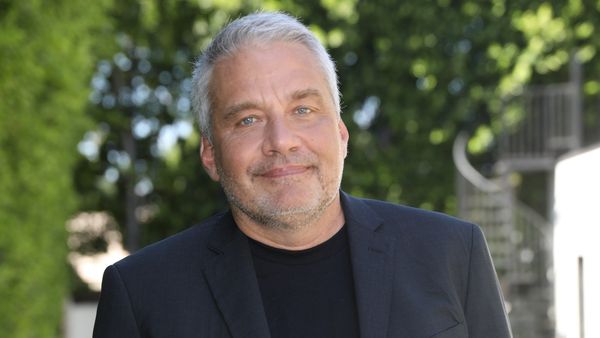
Nine Inch Nails and Boys Noize are releasing a collaborative album called Nine Inch Noize next Friday, April 17. That's it. That's the announcement. No singles, no teaser campaign, no TikTok strategy, no influencer seeding. Just a title and a date, confirmed by Pitchfork with the kind of brevity that feels almost confrontational in 2026.
For context: Trent Reznor is one of the most meticulous architects in modern music. He spent years on The Fragile. He built entire alternate reality games to promote Year Zero. He soundtracked the algorithmic dread of The Social Network and won an Oscar for it. Boys Noize — Alex Ridha — is a Berlin techno producer who's remixed everyone from Daft Punk to Depeche Mode and has spent two decades refining industrial electronics into something that works in both headphones and warehouses. These are not artists who do things casually.
And yet here's a full album arriving with a week's notice, no press cycle, no Spotify pre-save campaign, no exclusive listening party at a branded pop-up in Silver Lake. It's the kind of move that would've been standard in 2005 — back when artists could still surprise people because the internet hadn't turned every release into a six-month drip campaign. The fact that it feels radical now says more about how exhausting music marketing has become than it does about Nine Inch Nails' strategy.
The collaboration itself makes sense on paper. Reznor's industrial foundation and Ridha's techno precision share enough DNA that Nine Inch Noize could've been a side project from either artist's catalog. But the timing is what's interesting. Legacy acts — especially ones with Reznor's level of cultural capital — don't need to play the algorithm game. They're not competing for playlist placements or hoping a 15-second clip goes viral on TikTok. They have fanbases that will show up regardless of how much advance notice they get. The question is whether they're willing to act like it.
Most aren't. Even artists who predate streaming have adopted its logic: the multi-single rollout, the strategic feature placements, the carefully timed press cycle designed to maximize first-week streams. It works, in the sense that it generates measurable engagement. But it also flattens everything into the same promotional cadence, where a Beyoncé album and a SoundCloud rapper's debut follow identical marketing templates because the platforms reward the same behavior.
Harry Styles walked away from pop ubiquity for similar reasons — the machinery of maintaining that level of visibility became more exhausting than the music itself. Reznor and Ridha aren't making that kind of statement. They're just releasing an album the way artists used to before every release became a brand campaign. The fact that it reads as a power move now is a sign of how much control the platforms have taken over the release cycle.
There's no indication yet whether Nine Inch Noize will be a one-off experiment or the start of a broader collaboration. No word on whether it'll get a physical release, a tour, or any of the infrastructure that usually accompanies a project of this scale. That's probably intentional. The less you say, the more people fill in the gaps themselves. And in an era where streaming economics reward constant presence over cultural impact, silence is the most expensive thing an artist can afford.

The album drops April 17. No pre-orders, no countdown clock, no exclusive merch bundles. Just music, arriving when it's ready, from two artists who don't need permission to do things their own way. If that feels like a throwback, it's because most of the industry forgot that was ever an option.
More from Tinsel Magazine