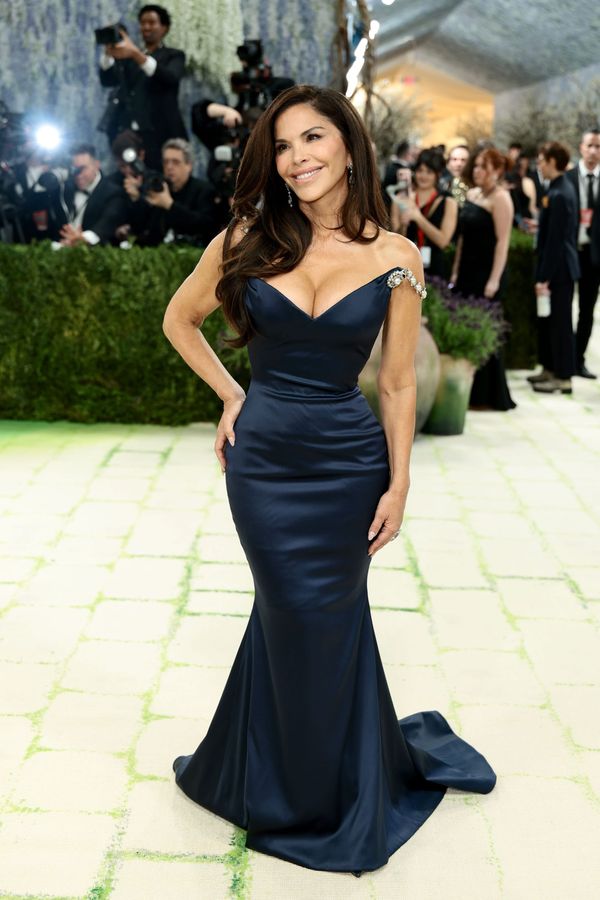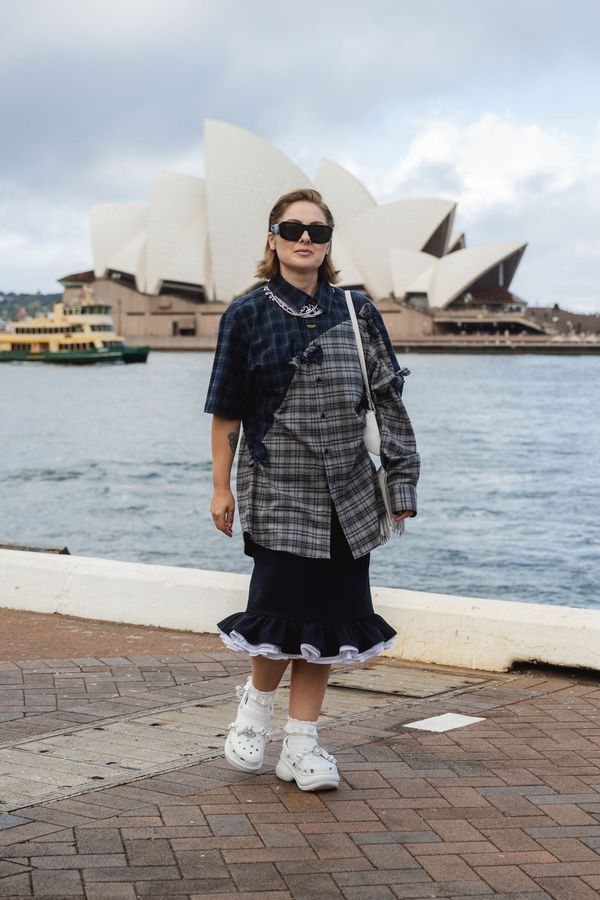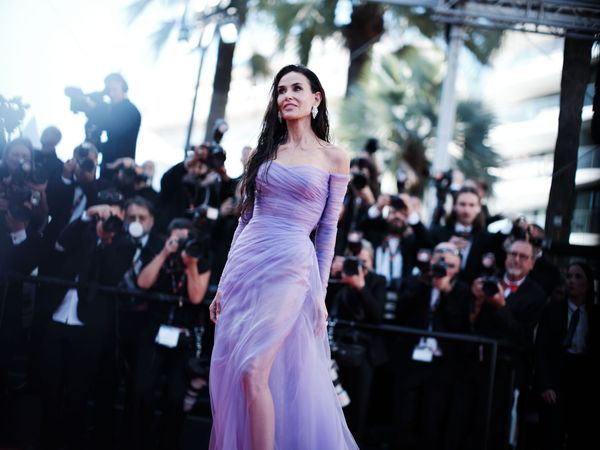
The front row at Miu Miu's Fall 2026 show wasn't filled with the usual aspirational influencers or brand ambassadors performing access. It was packed with women who already own the codes — actors, editors, artists who understand that the most expensive thing Miuccia Prada is selling isn't a skirt or a bag. It's the intelligence to decode what she's saying without needing a press release to explain it.
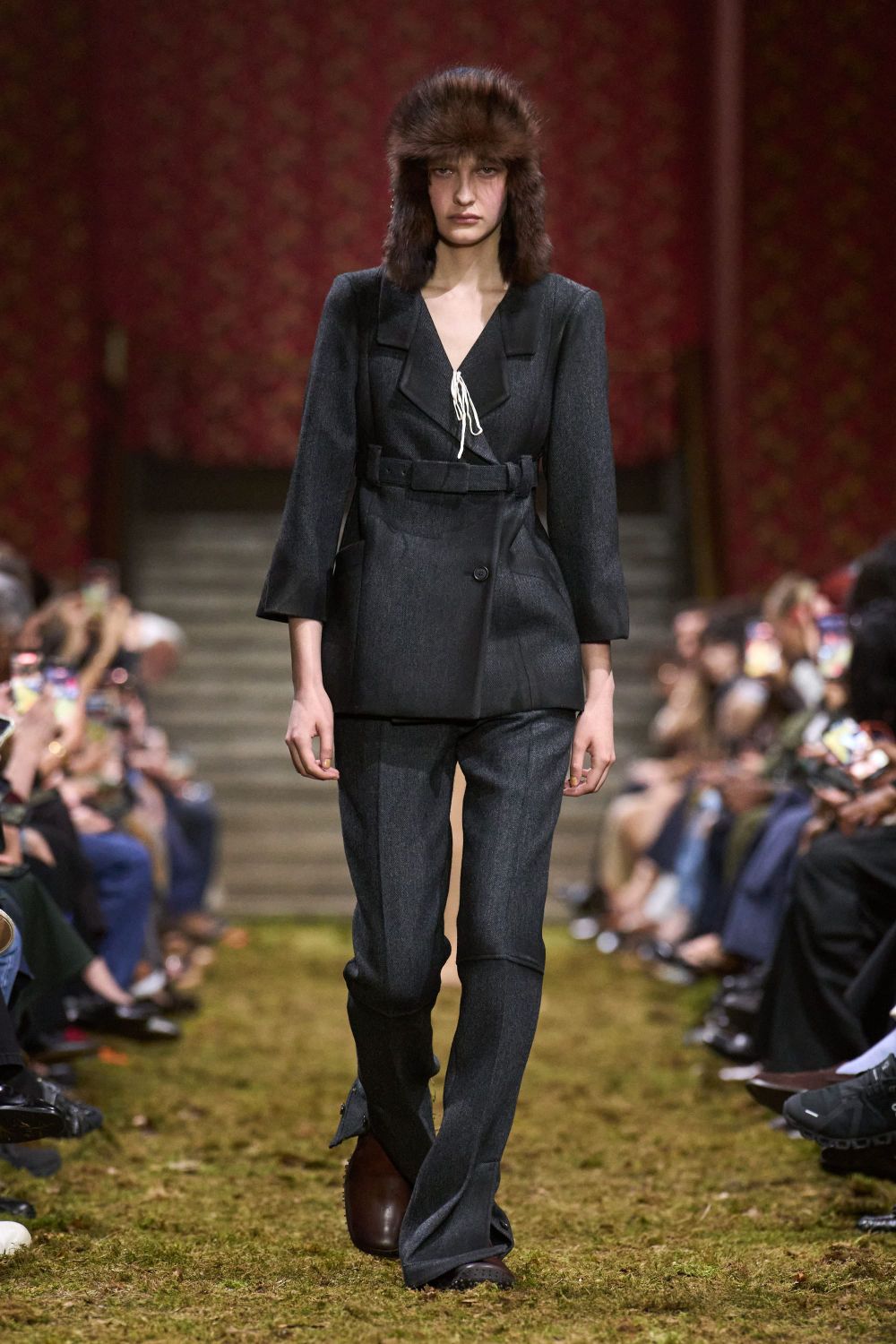
That distinction matters because Miu Miu Fall 2026 is Prada's clearest articulation yet of a thesis she's been building for years: luxury's next generation doesn't want to be told what to desire. They want to be in on the reference. They want irony, contradiction, and the kind of intellectual playfulness that only works if you're fluent enough to catch it. The collection — a study in contrasts, layering preppy codes with subversive tailoring, schoolgirl silhouettes with knowing provocation — operates like a visual essay on what happens when fashion stops performing aspiration and starts performing intelligence.
This isn't just a creative pivot. It's a business strategy that directly challenges the logic that's powered luxury for the past two decades. The aspiration model — the one that sold handbags to people who saved for months to afford them, the one that built entire conglomerates on the promise of upward mobility through brand acquisition — depended on clarity. You knew what the It bag was. You knew what the status symbol looked like. You knew what to want because the brand told you, loudly and repeatedly.
Miu Miu Fall 2026 refuses that clarity. The pieces don't announce themselves as status symbols. They require context, cultural literacy, a sense of humor about fashion history. A pleated skirt styled with an oversized blazer and knee socks reads as prep school uniform until you notice the proportions are wrong, the fabrics are too luxe, the whole thing is slightly off in a way that signals intentionality rather than accident. It's a joke, but only if you're already in on it.
That's the gamble. Prada is betting that the most valuable luxury customer going forward isn't the one who needs the logo to prove the purchase. It's the one who wants the brand to assume they're smart enough to get the reference without explanation. It's a shift from aspiration — "buy this and you'll be closer to the life you want" — to recognition: "you already understand why this matters."
The business case for this is stronger than it looks. Aspiration-driven luxury has a ceiling. It depends on maintaining a gap between the customer and the brand, a distance that the product is supposed to close. But that model has diminishing returns in a market where access to luxury has become democratized through resale, rental, and influencer gifting. When everyone can perform proximity to luxury, actual luxury has to find a new moat.
Irony and intelligence are that moat. They can't be faked as easily as a logo bag. They require cultural capital that can't be bought outright — you either get the reference or you don't. And if you don't, the brand isn't going to explain it to you. That's not cruelty. It's curation. Miu Miu is building a customer base that values being fluent over being aspirational, and that fluency creates a form of exclusivity that's harder to replicate than a waiting list.
This strategy is visible across Prada's broader portfolio. Prada's approach to Versace has been about extracting profitability without diluting the brand's core codes. At Miu Miu, the approach is the inverse: intensify the codes, make them more specific, more referential, more dependent on the customer doing the interpretive work. Both strategies assume a customer who is culturally literate enough to understand what the brand is doing and why.
The risk is that irony as a business model has a shelf life. It works brilliantly when the cultural moment rewards cleverness and self-awareness. But fashion's pendulum swings, and what feels smart and knowing now can feel exhausting and inaccessible later. The brands that have survived long-term aren't the ones that bet everything on a single cultural register. They're the ones that can shift between aspiration and irony, accessibility and exclusivity, depending on where the market is heading.
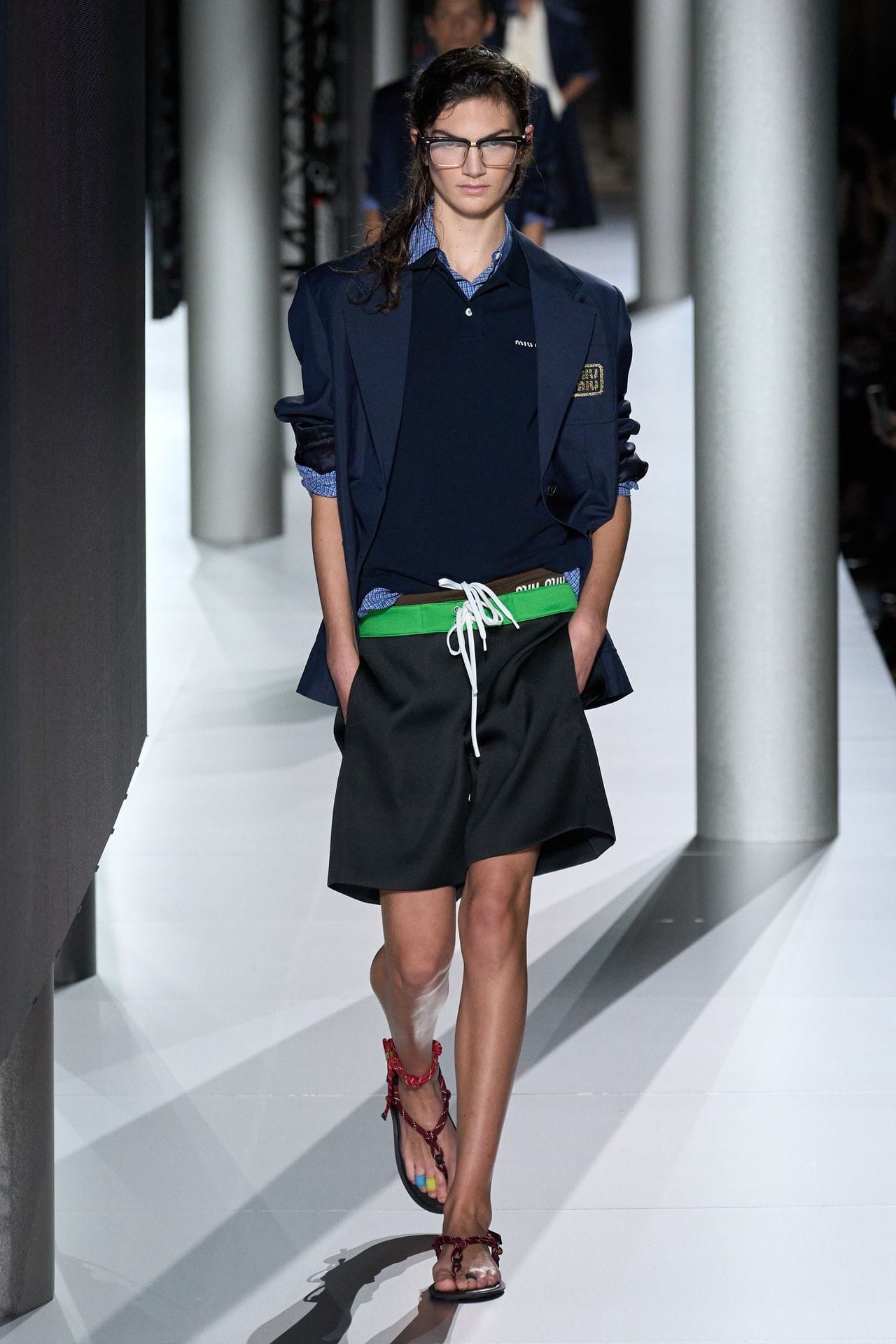
Miu Miu Fall 2026 suggests Prada knows this. The collection is referential and intellectual, yes, but it's also wearable in a way that her more conceptual work at Prada mainline sometimes isn't. The pieces can be styled down, broken apart, worn by someone who just thinks they're pretty without needing to understand the art historical references embedded in the silhouettes. The intelligence is there for the customers who want it. But the clothes don't collapse if you ignore the subtext.
That's the smartest move in the whole collection. Prada is building a brand that rewards cultural fluency without punishing customers who just want to buy a skirt. The irony is an option, not a requirement. And that optionality is what makes the strategy sustainable. Luxury's next generation might want intelligence and irony, but they also want clothes that work. Miu Miu Fall 2026 delivers both, and in doing so, it offers a template for how heritage brands can evolve without alienating the customers who made them valuable in the first place.
The question now is whether the rest of luxury follows. Brands like Acne Studios and Cecilie Bahnsen are already working in this register — intellectual, referential, designed for customers who value cultural capital as much as material quality. But those are smaller, independent operations. Miu Miu is part of the Prada Group, a publicly traded conglomerate with shareholders and growth targets. If Prada can make irony profitable at scale, it changes the calculus for every other luxury brand trying to figure out what the next generation of customers actually wants.
The answer, if Miu Miu Fall 2026 is any indication, is that they want to feel smart. They want brands that assume they already know the codes, the references, the history. They want to be in on the joke, not sold the punchline. And they're willing to pay for the privilege of being treated like they already understand.