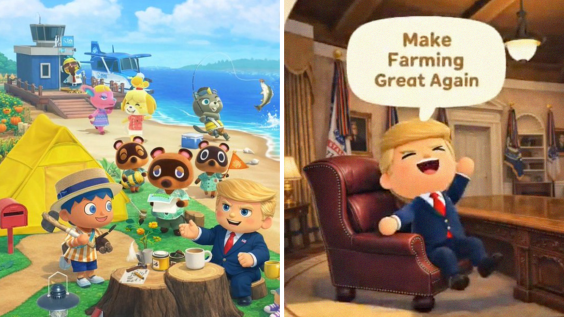
The White House released an AI-generated video styled after Animal Crossing—pastel aesthetics, cutesy characters, the works—and Nintendo has said absolutely nothing. According to The Daily Dot, fans flooded social media demanding the company issue a statement disavowing the administration's use of imagery that mimics one of Nintendo's most beloved franchises. Days later, the company's silence is deafening.
This isn't the first time a brand's IP has been co-opted for political messaging without permission, but it might be the first time the backlash has centered entirely on the company's refusal to respond. Fans aren't just angry the White House made the video—they're angry Nintendo won't say it shouldn't have. "I don't think I'm going to be buying Nintendo products anymore," one user wrote, a sentiment echoed across Reddit threads and Twitter replies. The expectation isn't that Nintendo can retroactively stop the video from existing. It's that the company should publicly distance itself from the use of its visual language to promote policies its customer base may find objectionable.
What makes this different from past IP controversies is the medium. This wasn't a politician holding a Super Mario plushie at a rally or a campaign ad featuring a brief clip of gameplay. This was a fully AI-generated video designed to mimic the aesthetic, tone, and emotional register of Animal Crossing—a game built on themes of community, care, and escape from real-world stress. Using that specific visual grammar to promote government policy isn't just opportunistic. It's a calculated attempt to borrow the goodwill and emotional safety players associate with the game and redirect it toward political messaging. And Nintendo's refusal to acknowledge that transfer of meaning suggests the company either doesn't understand what's happening or doesn't care.
The fan response also highlights a broader shift in how audiences understand brand responsibility. A decade ago, companies could plausibly claim they had no control over how their IP was used in unofficial contexts. But platforms are now legally accountable for what happens on their infrastructure, and the same logic is starting to apply to IP holders. If your brand can issue a cease-and-desist to a fan game in 48 hours, fans argue, you can issue a statement when the government uses your aesthetic to sell policy. Silence in that context doesn't look neutral—it looks like permission.
Nintendo has always been famously protective of its IP. The company has shut down fan projects, ROM sites, and unauthorized merchandise with ruthless efficiency. That history makes the current silence even more conspicuous. If Nintendo will go after a college student's fan-made Metroid remake, why won't it say anything when a government entity uses its visual language for political purposes? The answer, almost certainly, is that Nintendo doesn't want to be seen as taking a political stance. But by refusing to disavow the video, the company is taking one anyway—just not the one it thinks.
This dynamic isn't unique to Nintendo. Coordinated campaigns now preempt an artist's own narrative, and brands are learning the same lesson: silence doesn't protect you from being part of the story. It just means someone else writes your role. The White House didn't need Nintendo's permission to make the video, but it benefited enormously from the company's refusal to object. Every day Nintendo stays quiet, the association between Animal Crossing's wholesome aesthetic and the administration's messaging gets a little more entrenched.
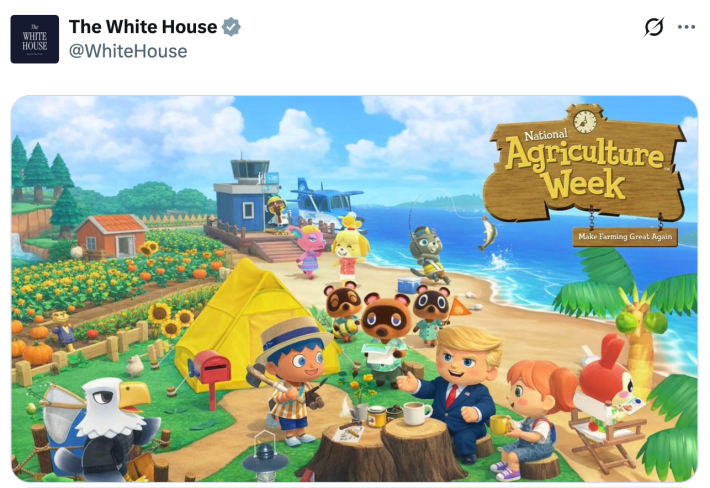
The AI element adds another layer. This wasn't hand-drawn fan art or a clever Photoshop job. It was algorithmically generated slop designed to exploit the visual and emotional shortcuts Animal Crossing has spent years building. Consumer creative tools are already being deprioritized in favor of enterprise revenue, and this is what that shift enables: governments and corporations using AI to produce content that mimics beloved cultural properties without paying for the rights or dealing with the creators. Nintendo's silence suggests the company sees this as someone else's problem. Fans see it as an abdication.
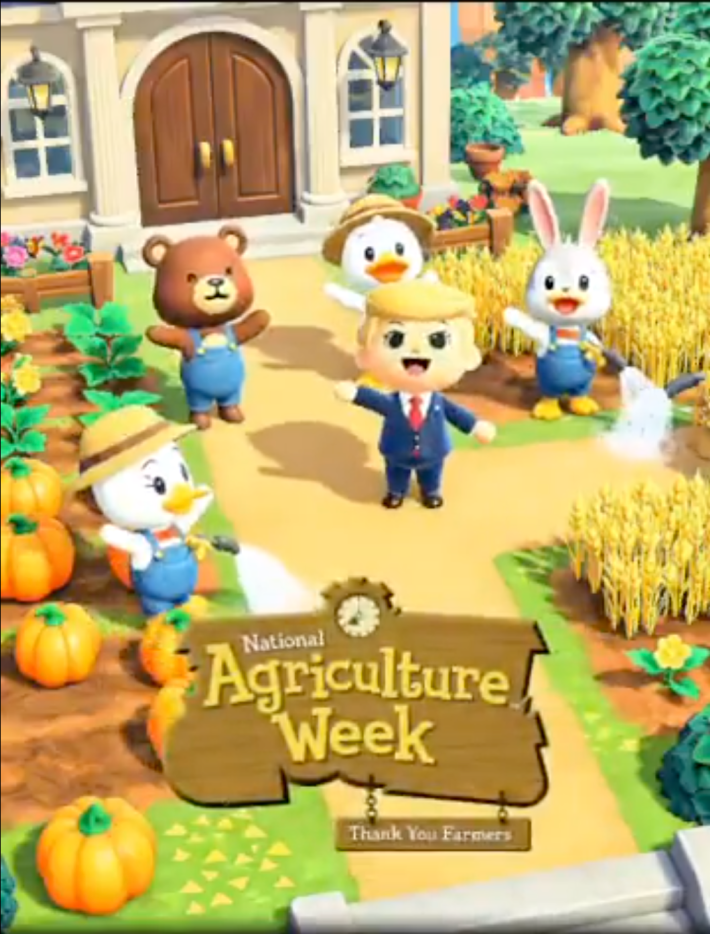
What happens next will set a precedent. If Nintendo continues to say nothing, other companies will learn they can stay silent when their IP is used for political purposes—and fans will remember which brands chose not to protect the meaning of the worlds they built. If Nintendo does issue a statement, it will have to navigate the impossible line between disavowing the video's misuse and avoiding any language that reads as overtly political. Either way, the lesson is clear: in 2025, there is no such thing as staying out of it. Brand neutrality is dead. The only question is whether companies will choose their position or let it be chosen for them.