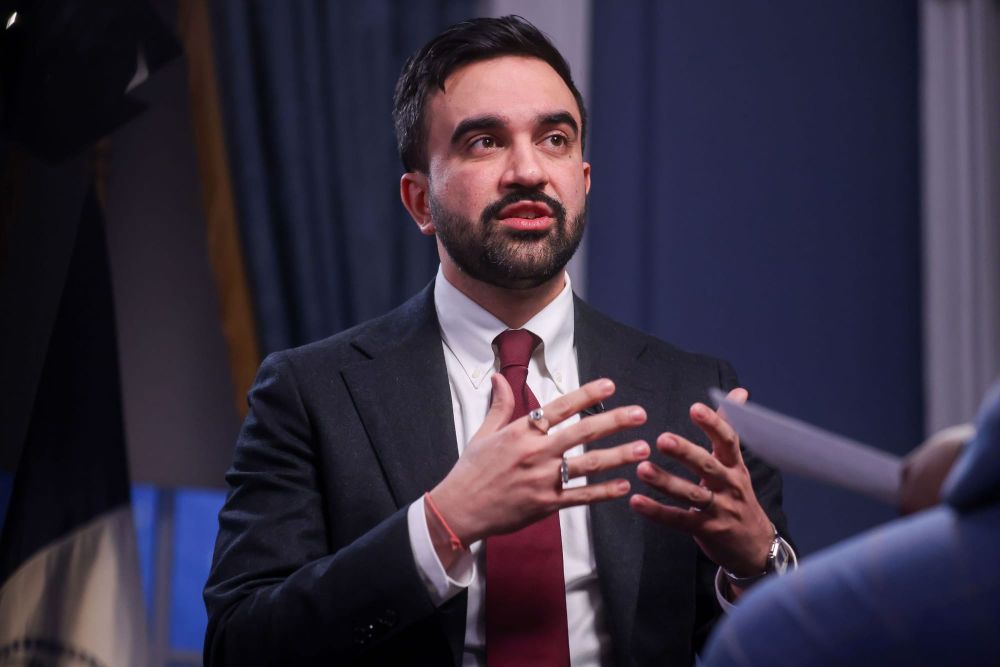
New York City banned TikTok from government devices in August 2023. Twenty months later, Mayor Zohran Mamdani's administration is reversing that ban, allowing agencies to return to the platform under strict new device and security protocols. The reversal is being framed as pragmatic policy adjustment. What it actually is: an admission that cities need social media distribution more than they need the appearance of cybersecurity vigilance.
The original ban was pure theater. TikTok posed the same theoretical data risks in 2023 that it does now—ByteDance's Beijing headquarters, the potential for Chinese government data access, the opaque content moderation algorithms. None of that has changed. What changed is that municipal governments spent nearly two years watching their public health campaigns, transit updates, and community announcements get zero traction on Instagram and Facebook while TikTok became the primary information feed for anyone under 40. Banning the platform didn't make the city safer. It just made the city quieter.
Mamdani's new policy requires agencies to use TikTok only on designated devices with enhanced security measures—a compromise that satisfies no one but allows everyone to save face. The security protocols are real enough: isolated devices, restricted data access, controlled login environments. But the underlying logic is backwards. If TikTok is genuinely a national security threat, device segmentation doesn't solve it. If it's not a genuine threat, the performance of caution is just bureaucratic friction. The policy splits the difference by admitting the city can't afford to stay off the platform while pretending the original concerns were legitimate.
This isn't unique to New York. State and municipal TikTok bans proliferated in 2023 as platform accountability became a bipartisan political winner. Montana banned it statewide before a federal judge blocked enforcement. Texas, Georgia, and Virginia banned it from government devices. The bans were easy to implement and easier to defend: nobody wants to be the official who let Chinese spyware into the mayor's office. But the bans also required governments to abandon the single most effective tool for reaching residents who don't watch local news or read email newsletters.
The Mamdani reversal matters because it names the trade-off out loud. Cities depend on social media reach to function. Emergency alerts during storms, public health guidance during outbreaks, transit updates during service changes—these aren't optional communications. They're infrastructure. And the infrastructure is controlled by private platforms with their own editorial priorities, data policies, and geopolitical entanglements. Banning TikTok didn't reduce that dependency. It just meant the city was dependent on Meta and Google instead, as if Instagram's data practices are meaningfully more transparent or its algorithmic curation is somehow more democratically accountable.
The real problem isn't TikTok. It's that platforms have become civic infrastructure without any of the regulatory frameworks or public accountability that actual infrastructure requires. Cities don't own their communication channels anymore. They rent them from companies that can change the terms, throttle the reach, or shut down the account whenever the business model shifts. The TikTok ban was an attempt to reassert control by opting out. The reversal is a recognition that opting out isn't actually an option.
Mamdani's policy also highlights the absurdity of device-level security as a solution to platform-level problems. The new rules treat TikTok like malware that can be contained through IT hygiene—use a burner phone, don't log in from your personal device, keep the app sandboxed. But the risks people worry about with TikTok aren't about device compromise. They're about data aggregation, algorithmic influence, and geopolitical leverage. A city employee posting a subway delay update from a designated device doesn't meaningfully reduce ByteDance's data access or the Chinese government's theoretical ability to request user information. It just makes the workflow more annoying.
What the reversal really signals is that cities have run out of options. They can't build their own distribution platforms—nobody's going back to municipal websites as primary information sources. They can't force residents onto preferred platforms—people go where the content is, and the content is on TikTok. And they can't ban platforms without kneecapping their own ability to communicate. So they reverse the ban, add some security protocols that sound reassuring in a press release, and hope nobody asks why the original concerns suddenly stopped mattering.
The TikTok ban era is ending not because the security concerns were resolved, but because the cost of pretending they mattered became too high. Cities need reach more than they need the performance of caution. And TikTok, for now, is where the reach is. Mamdani's reversal won't be the last. Every government that banned the platform is doing the same math, and the math only works one way. The question isn't whether other cities will follow New York back to TikTok. It's how long they'll keep pretending the device rules make a difference.