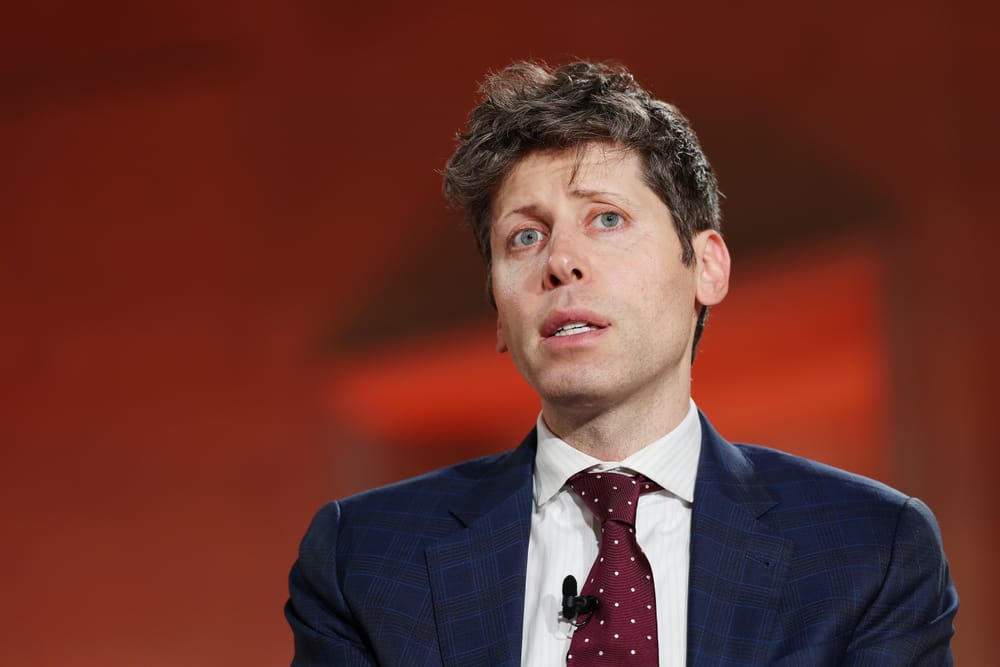
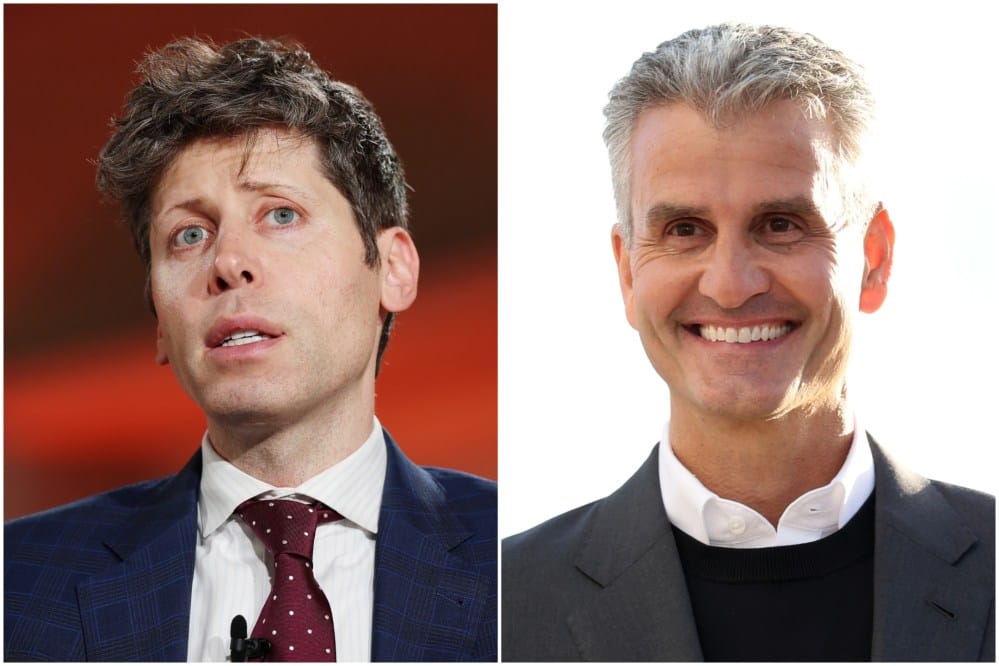
Sam Altman felt "terrible" about it, according to Variety. Last week, the OpenAI CEO called newly installed Disney CEO Josh D'Amaro to deliver the news: Sora, OpenAI's video-generation platform, was being killed — before Disney had the chance to launch its character library on the system. The apology is professional courtesy. The decision is business reality. OpenAI didn't pull the plug because the technology failed. It pulled the plug because consumer creative tools don't generate the revenue enterprise contracts do.
Disney isn't the only entertainment company learning this lesson the hard way. The partnership, announced with the kind of press-release optimism that makes tech-entertainment collaborations look inevitable, positioned Sora as the next-generation creative tool for studios and creators. Disney would get early access. OpenAI would get validation. Everyone would get to talk about the future of storytelling. What nobody mentioned in the announcements: consumer-facing AI tools are expensive to run, hard to monetize, and strategically secondary to the enterprise deals that actually pay the bills.
The Sora shutdown exposes the structural fragility of AI partnerships in entertainment. Studios and platforms have spent the last two years racing to integrate generative AI into production pipelines, often through partnerships with companies like OpenAI, Runway, and Stability AI. The pitch is always the same: these tools will democratize creativity, accelerate production timelines, and unlock new forms of storytelling. What the pitch rarely mentions: the companies building these tools are venture-backed startups optimizing for growth, not long-term creative infrastructure. When the economics shift — when enterprise clients offer bigger contracts, when consumer adoption stalls, when investor pressure mounts — the creative tools get deprioritized or killed entirely.
Disney's Sora deal was never a partnership of equals. It was a licensing arrangement dressed up as collaboration. OpenAI controlled the platform. Disney controlled the IP. But only one party controlled the decision to keep the lights on. OpenAI already made this calculation once — consumer creative tools are a loss leader compared to enterprise AI contracts. The Disney deal was supposed to be the exception, a marquee partnership that justified Sora's existence. Instead, it became another data point in the same pattern: when AI companies have to choose between creative experimentation and predictable revenue, they choose revenue every time.
The entertainment industry's AI strategy has been built on a fundamental misunderstanding of what these platforms are. Studios treat them like vendors — companies that will build tools, maintain infrastructure, and stick around for the long haul. But AI startups treat entertainment clients like proof-of-concept deals — high-profile partnerships that generate headlines, validate technology, and attract the enterprise contracts that actually matter. The moment the proof-of-concept is established, the consumer-facing product becomes expendable. Sora's shutdown is the logical endpoint of that dynamic. OpenAI got the validation it needed from the Disney partnership. Disney got a lesson in how little control it actually had.
The collapse also highlights how little leverage entertainment companies have in these negotiations. Disney is one of the largest media conglomerates in the world, with a character library worth billions and production infrastructure that spans decades. It still couldn't keep Sora alive. That's not because Disney lacks influence — it's because influence doesn't matter when the other party controls the infrastructure. Platforms have spent years building business models around infrastructure control, and AI companies are following the same playbook. The tool exists as long as it serves the platform's goals. The moment it doesn't, the tool disappears — regardless of who's using it or what they're building on top of it.
Altman's apology to D'Amaro is telling. It's the kind of gesture that acknowledges the awkwardness of the situation without changing the outcome. OpenAI and Disney are "still looking to collaborate," Altman told Variety, which is corporate-speak for "we'll find another way to do business that doesn't require us to maintain expensive consumer infrastructure." The next collaboration will likely look different — more focused on enterprise tools, less reliant on public-facing platforms, structured in a way that protects OpenAI's ability to pivot when the economics shift again.
The Sora shutdown also raises questions about what happens to the creators and studios that did build workflows around the platform. OpenAI offered early access to select partners, which means some production teams integrated Sora into their pipelines. Those workflows are now stranded. The footage generated on Sora still exists, but the tool that created it doesn't. That's the risk of building on platforms you don't control — and it's a risk that scales as more entertainment companies adopt AI tools. The creator economy has already learned this lesson with social platforms. Entertainment is learning it now with AI.
The broader pattern here is that AI companies are optimizing for flexibility, not stability. Consumer products get launched, tested, and killed based on what the data shows and what the investors want. That's a viable strategy for a startup trying to find product-market fit. It's a terrible strategy for an industry that needs reliable infrastructure. Entertainment production timelines are measured in months and years. AI product cycles are measured in weeks. The mismatch is structural, and no amount of partnership announcements will fix it.
Disney will move on. OpenAI will move on. The entertainment industry will keep signing AI partnership deals, and those deals will keep collapsing when the economics don't work. The lesson isn't that AI tools are bad for entertainment — it's that entertainment companies need to stop treating AI startups like long-term infrastructure partners. These are transactional relationships built on misaligned incentives. The tools will exist as long as they serve the platform's growth strategy. The moment they don't, the apology call gets made, and the entertainment partner is left holding the bag.
Altman felt terrible. Disney got stranded. And the next AI partnership announcement is already being drafted.