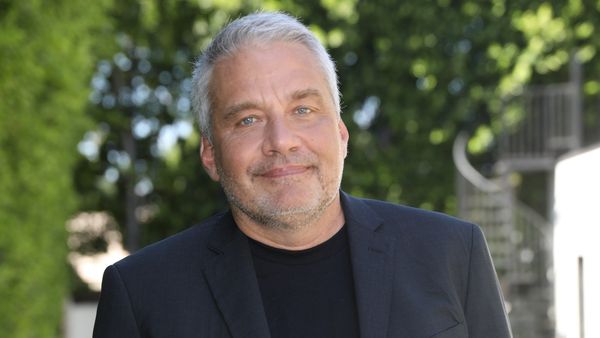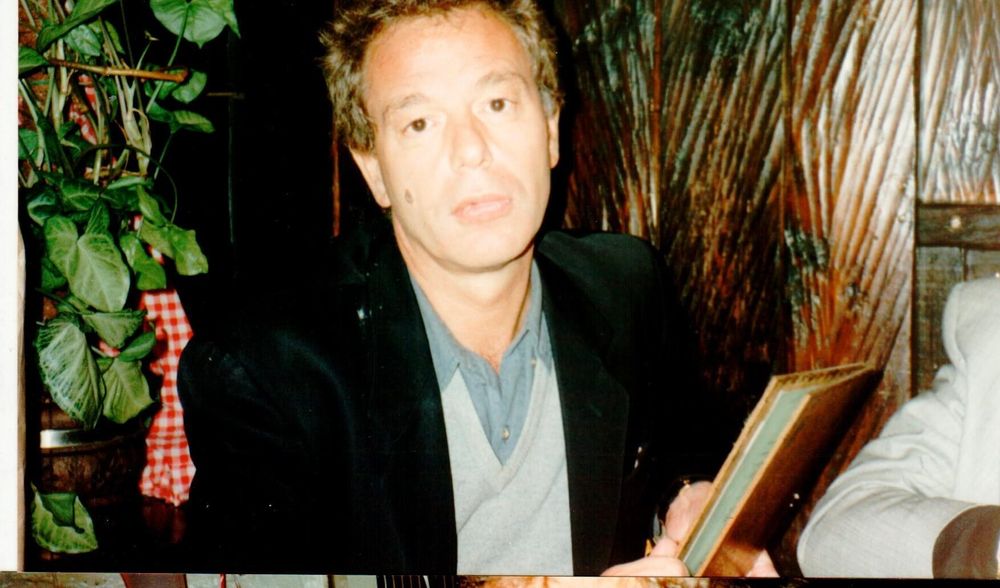
Peter Thompson, the West End stage publicist who orchestrated the launches of Cats, The Phantom of the Opera, Les Misérables, and Miss Saigon, died this week at 81. His husband Stephen Barton confirmed the news to Deadline. For four decades, Thompson was the architect behind the publicity campaigns that turned Andrew Lloyd Webber and Cameron Mackintosh's musicals into global cultural events—back when that required actual architecture, not just a TikTok sound.
Thompson's career sits at the intersection of two entertainment economies: the one where publicists built cultural phenomena through strategic media placement, opening night spectacle, and cultivated mystique, and the one where a 15-second clip can generate more awareness than a year of carefully orchestrated press. He worked in the former. The latter has made his job nearly obsolete.
The mega-musicals Thompson helped launch—Cats in 1981, Phantom in 1986, Les Misérables in 1985, Miss Saigon in 1989—were cultural events before opening night. That wasn't an accident. It was the result of publicists who understood that a Broadway or West End launch wasn't just about reviews; it was about constructing a narrative so compelling that missing the show felt like missing history. Thompson knew how to generate anticipation in an era when anticipation had to be earned through editorial coverage, not algorithmically amplified virality.
The economics of that model have collapsed. Social media democratized cultural buzz, which sounds like progress until you realize it also devalued the labor of the people who used to create it. A publicist like Thompson could command a career—and a fee structure—because his expertise was rare and his results were measurable. Today, a single cast member's Instagram Story can generate more ticket sales than a month of traditional press strategy. The skill set hasn't become less valuable; it's become less billable.
This is part of a broader pattern Tinsel has tracked across the entertainment industry: the professionalization of cultural work is being systematically devalued by platforms that treat expertise as overhead. Thompson's generation of publicists built careers on knowing which critics mattered, which outlets moved tickets, and how to construct a media narrative that sustained a show for years. That knowledge still exists, but the infrastructure that rewarded it has been dismantled by an attention economy that prioritizes volume over strategy.
The mega-musical era Thompson helped define was also the last time theatrical publicity operated at the scale of film marketing. Phantom didn't just open—it became a brand, a tourism draw, a cultural export. That required a publicist who understood how to translate a three-hour stage production into a media event legible to people who would never see the show. It's the same skill set streaming platforms now try to replicate when they turn niche music subcultures into content, except Thompson was building cultural capital, not chasing algorithmic favor.
The irony is that the shows Thompson worked on are still running—Phantom only closed its original West End production in 2021 after 35 years, and it's still playing on Broadway. The publicity infrastructure that launched them, though, is gone. Modern Broadway marketing is a mix of social media strategy, influencer partnerships, and discount ticket platforms. It works, in the sense that shows still open and some of them run. But it doesn't create the kind of cultural permanence Thompson's campaigns did. Cats became a punchline and a meme, but it was a phenomenon first—and that phenomenon was engineered.
Thompson's death is a reminder that the entertainment industry's shift toward platform-driven publicity isn't just a change in tactics—it's a loss of institutional knowledge. The publicists who understood how to build cultural events without social media aren't being replaced; they're being rendered obsolete by an infrastructure that assumes virality is a substitute for strategy. It's not. Virality is a lottery. Strategy is a career. Thompson had the latter, and the industry he helped build no longer has room for it.