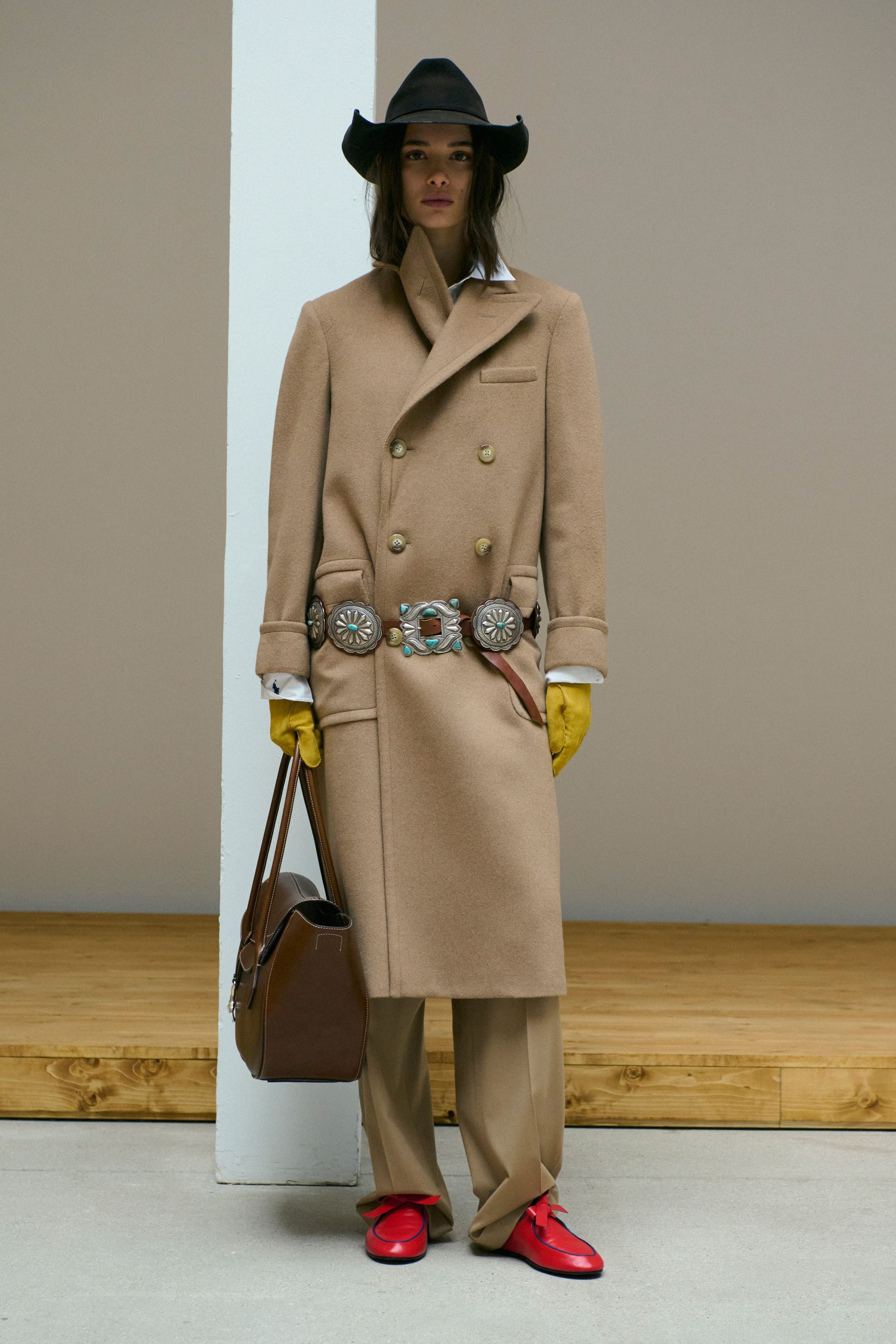
The Polo Ralph Lauren Fall 2026 collection opened with a navy peacoat worn over a cable-knit sweater and flannel trousers — the kind of outfit that could have walked a runway in 1986, 2006, or yesterday. The silhouette was clean, the proportions familiar, the materials exactly what you'd expect: wool, cotton, leather. There were no gimmicks, no viral moments engineered for TikTok, no collaborations with crypto brands or AI artists. Just clothes that looked like they'd been in someone's closet for twenty years and would stay there for twenty more.
That's the entire point. While the rest of fashion is locked in an exhausting race to generate content that can survive the algorithm's two-week attention span, Ralph Lauren is making a different bet: that there's still a market for clothes that exist outside the viral cycle entirely. This isn't nostalgia — it's a calculated business strategy that assumes the churn economy will eventually exhaust both creators and consumers, and when it does, the brands that stayed consistent will be the ones left standing.
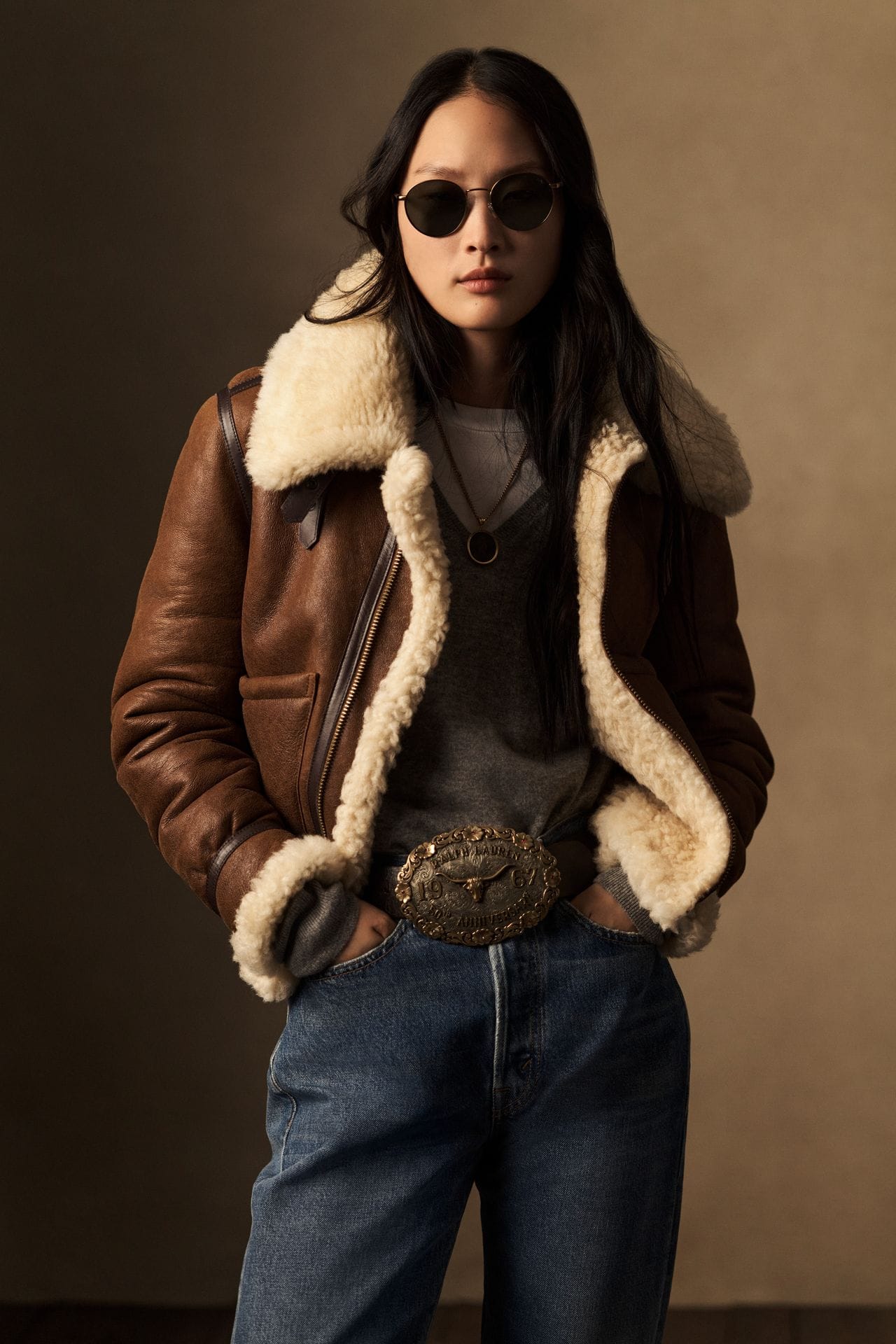
The collection itself read like a greatest-hits compilation of American heritage tropes: Fair Isle sweaters, shearling-lined jackets, tartan skirts, equestrian-inspired tailoring. According to Vogue, the palette leaned into deep navies, rich browns, and forest greens — colors that feel permanent rather than seasonal. There were nods to prep culture, to Ivy League aesthetics, to the kind of old-money signaling that TikTok has ironically made trendy again, but Ralph Lauren isn't chasing that trend. The brand has been doing this for fifty years. Everyone else is just catching up.
What makes this strategy interesting is the timing. Fashion's current business model is built on velocity: drop culture, limited releases, collaborations that exist for a single season before disappearing. Brands like Balmain and Courrèges are constantly reinventing themselves to stay relevant in a market where relevance expires faster than milk. Ralph Lauren is doing the opposite. The brand is betting that in a culture where everything is disposable, permanence itself becomes a luxury.
That bet is already paying off in the data. Ralph Lauren's revenue has grown consistently over the past three years, even as other legacy brands struggle to find their footing in the algorithmic economy. The company's direct-to-consumer business — the part of the operation that doesn't rely on wholesale partnerships or department store markdowns — has been particularly strong. Customers are buying directly from the brand, paying full price, and coming back. That's not the behavior of people chasing trends. It's the behavior of people buying into a system they trust will still exist in ten years.
The collection also signals something broader about where luxury is heading. After a decade of hype-driven fashion — the Supreme drops, the Balenciaga memes, the Jacquemus Instagram moments — there's a growing sense that the market is oversaturated with noise. Dior's Fall 2026 collection made a similar argument: that luxury's next customers are tired of being sold to. Ralph Lauren's version of that thesis is even simpler. The brand isn't trying to sell you on a lifestyle you don't have. It's offering you the clothes you'd wear if you already had it.
There's a risk here, of course. The same strategy that insulates Ralph Lauren from algorithmic volatility also makes the brand vulnerable to irrelevance. If the market decides that heritage aesthetics are boring, or that American prep culture is politically unpalatable, or that younger consumers want nothing to do with the signifiers of old money, Ralph Lauren doesn't have a Plan B. The brand has spent fifty years building a single, coherent identity. That identity is either an asset or a liability depending on which way the culture moves.
But the larger cultural shift Ralph Lauren is betting on — the exhaustion with constant reinvention, the desire for things that last — isn't just a fashion phenomenon. It's showing up in how people talk about social media burnout, in the backlash against fast fashion, in the growing market for vintage and secondhand goods. The algorithm rewards novelty, but novelty is exhausting to produce and exhausting to consume. Ralph Lauren's Fall 2026 collection is a wager that eventually, people will want to opt out of that system entirely. And when they do, the brand will still be here, making the same navy peacoat it's been making for decades.
For more, see Tom Ford’s post-designer era and DVF’s heritage brand playbook.