Tokyo's emerging designers face a structural problem that Paris and Milan don't talk about: experimental craft doesn't pay the bills until it does, and most designers don't survive the gap. Ryunosukeokazaki's Fall 2026 collection, shown at Tokyo Fashion Week, solves that problem by building commercial viability into the experimental process itself — not after it, not around it, but as part of the same design logic.
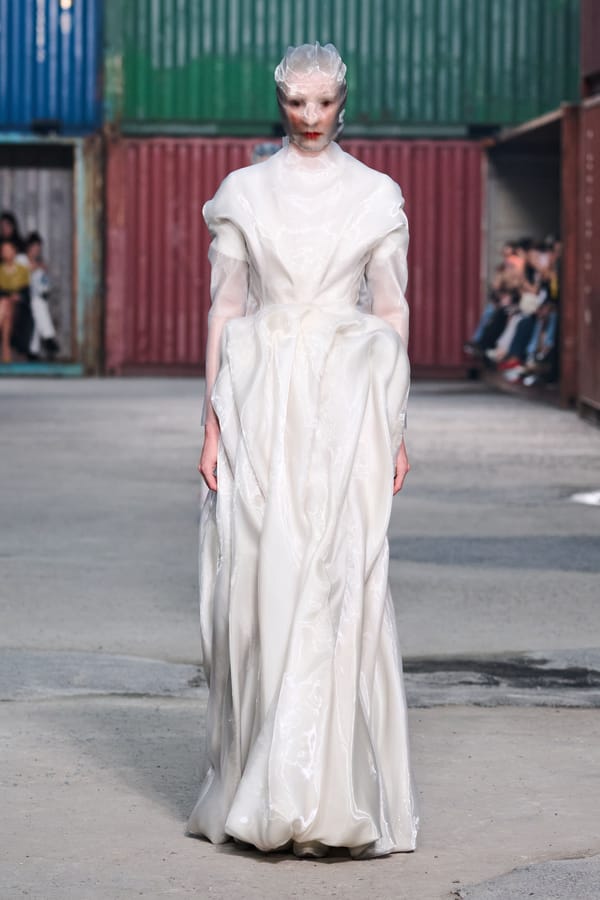
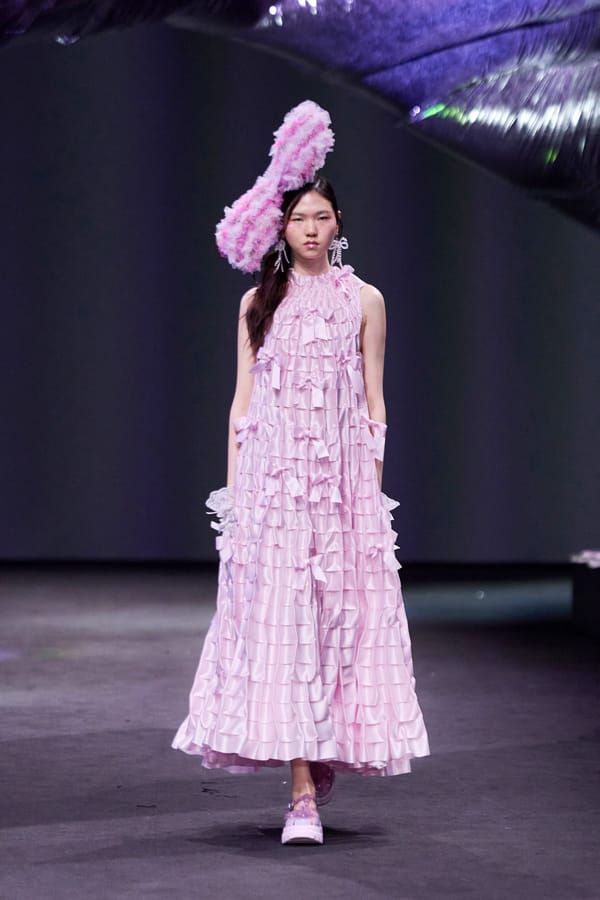
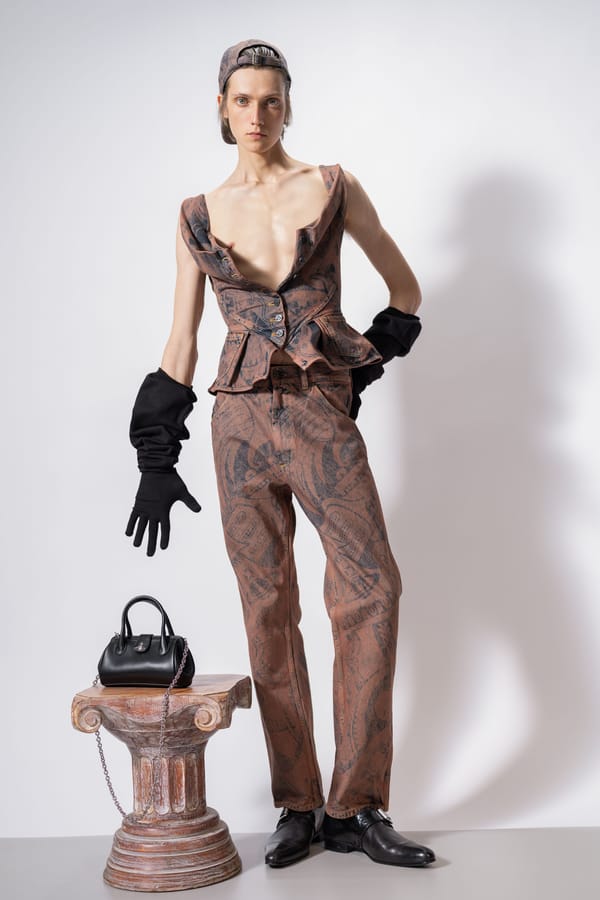
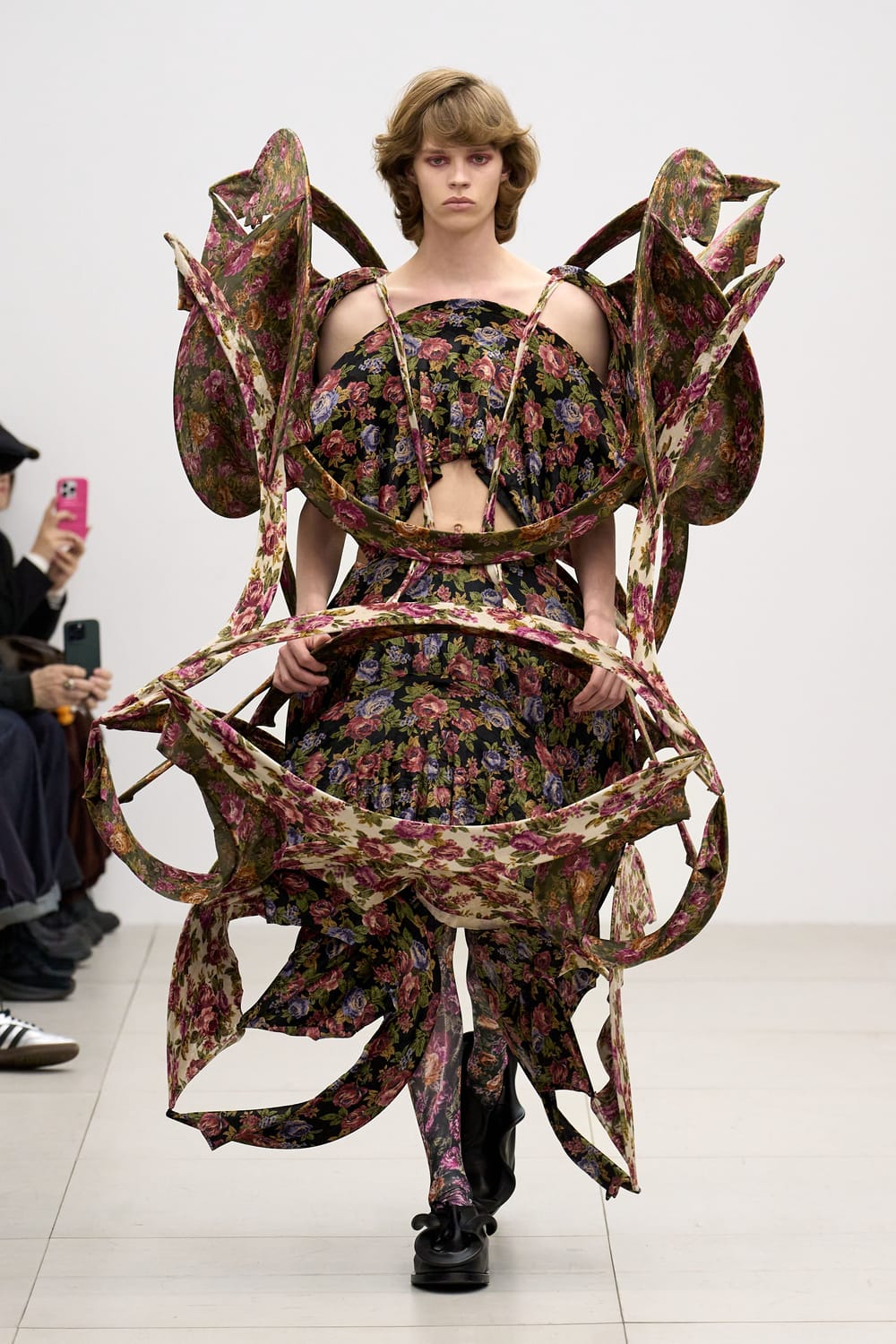
The collection walks the line between wearability and provocation without collapsing into either. Structured outerwear with exaggerated proportions sits next to tailored separates that could slot into a working wardrobe. The fabrication is technical — bonded textiles, layered construction, architectural silhouettes — but the pieces don't require a stylist to make sense of them. This isn't about making experimental fashion "accessible." It's about designing experimental fashion that understands its own market from the beginning.
That approach reflects a broader shift happening across Tokyo's emerging design community. Designers like A.W.A.K.E. Mode and CFCL have built their practices around the same principle: craft credibility and commercial strategy aren't opposites. They're prerequisites for survival. Tokyo designers are entering a fashion ecosystem where heritage brands have centuries of institutional backing and indie labels are expected to fund innovation out of their own pockets. The only way to compete is to design work that buyers can justify and stores can sell — without abandoning the formal experimentation that makes the work worth paying attention to in the first place.
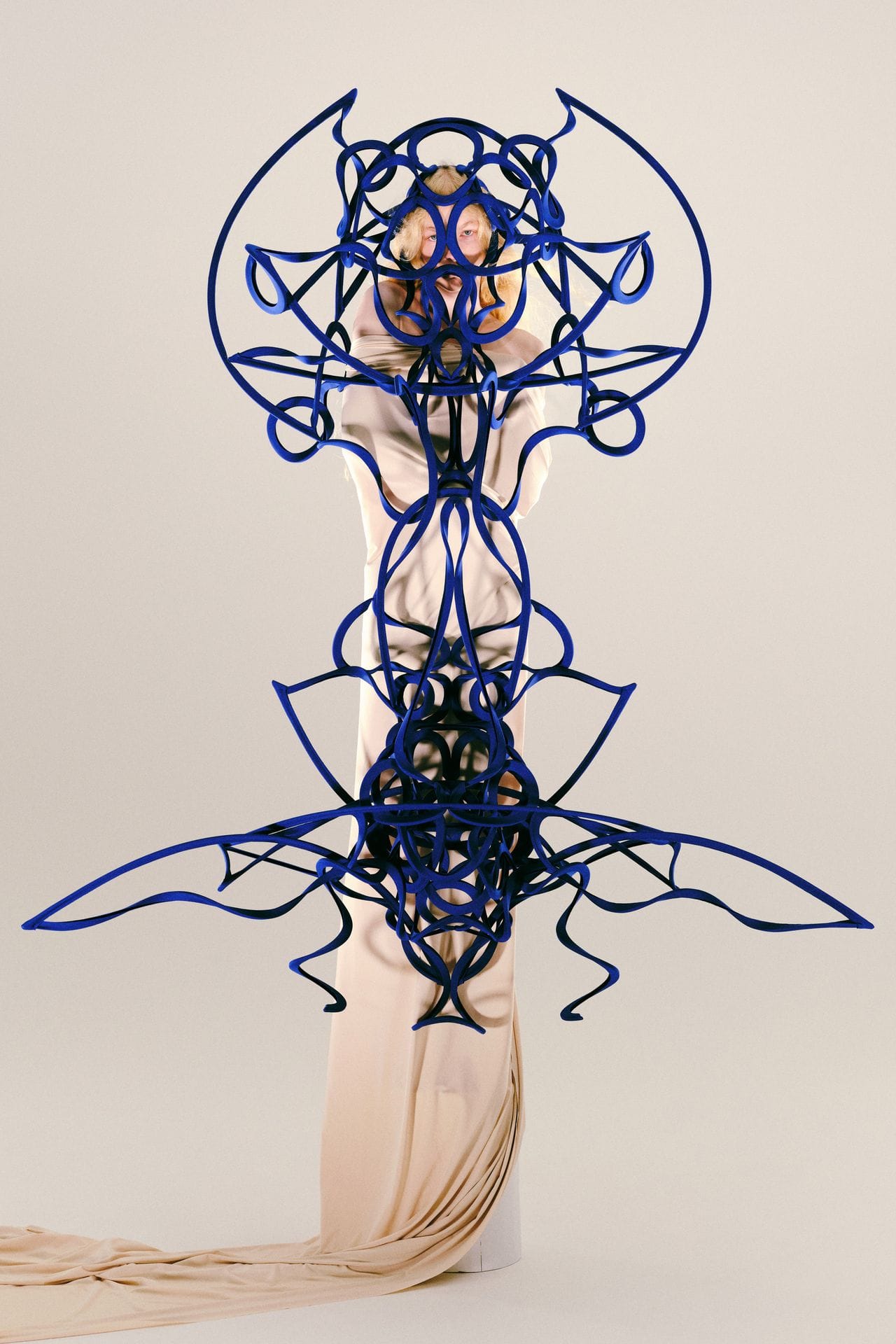
Ryunosukeokazaki's Fall 2026 collection demonstrates what that looks like in practice. The tailoring is sharp enough to appeal to buyers looking for investment pieces. The silhouettes are bold enough to justify editorial coverage. The fabrication is innovative enough to signal that this is a designer with a point of view, not just another well-made coat. It's not about compromise — it's about designing with both audiences in mind from the start.
This is where Tokyo's emerging designers are quietly outmaneuvering their Western counterparts. Paris and Milan's indie fashion scene still operates under the assumption that commercial success is something that happens to you after you've proven your artistic credentials. Tokyo's designers are building commercial logic into the creative process itself. They're not waiting to be discovered by a luxury conglomerate or a celebrity stylist. They're building businesses that can sustain experimental practices without external validation.
The result is a generation of designers who understand that craft and commerce aren't competing values — they're interdependent ones. You can't fund experimental fabrication research if your collections don't sell. You can't build a long-term practice if you're designing for critical acclaim instead of actual customers. Ryunosukeokazaki's Fall 2026 collection makes that calculation visible. Every piece is designed to work on the runway and in the wardrobe, in the editorial spread and in the store.
What makes this approach so effective is that it doesn't read as calculated. The collection has a clear point of view — architectural, technical, slightly dystopian — but it's not performing experimentation for its own sake. It's designing clothes that people might actually wear, using fabrication techniques that push the medium forward. That's the balance that most emerging designers never figure out, and it's the reason most emerging designers don't make it past their third season.
Tokyo Fashion Week has spent the last decade building infrastructure for exactly this kind of designer. The city's fashion ecosystem supports emerging talent without demanding that they abandon formal experimentation for commercial palatability. Ryunosukeokazaki's Fall 2026 collection is proof that the strategy is working. The question now is whether the rest of the fashion world is paying attention — or whether they'll keep waiting for the next Rei Kawakubo to emerge fully formed, as if heritage and commercial viability weren't things you had to build from the beginning.