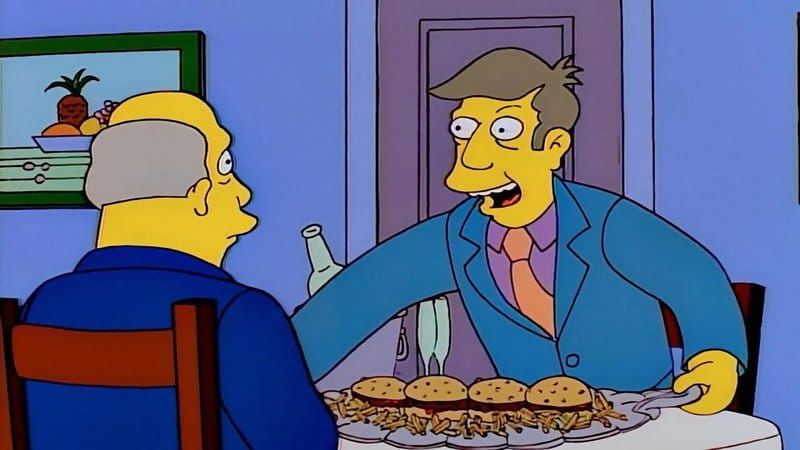
A four-minute scene from a 1996 episode of The Simpsons is getting a 30th-anniversary live event. Not the episode. Not the season. The scene. Specifically, the scene where Principal Skinner tries to pass off Krusty Burgers as his own cooking and calls them "steamed hams." The event, announced by Know Your Meme, will feature writer Bill Oakley revealing the origins of the bit — a segment that has been remixed, parodied, and shitposted into oblivion across YouTube, Facebook, and TikTok for nearly a decade.
This isn't a nostalgia tour. It's a case study in how legacy television finally figured out that the internet's obsessive remix culture isn't just free marketing — it's a revenue stream they can tap directly. The meme did the cultural work. Now the studio gets to sell tickets to the explanation.
"Steamed Hams" became a meme because it was structurally perfect for recontextualization: a self-contained narrative with escalating absurdity, dialogue that could be swapped out, and visual beats that invited parody. Fans made it into everything from a first-person survival horror game to a VHS-corrupted glitch art piece. The scene's virality had nothing to do with Fox's distribution strategy and everything to do with the internet's willingness to treat it as raw material.
For years, studios treated this kind of fan engagement as ambient goodwill — nice to have, impossible to monetize. But the Verizon-Connor Storrie slasher campaign showed that brands could rent meme credibility instead of trying to manufacture it. Now legacy TV is applying the same logic: let the internet do the cultural labor, then charge admission to the retrospective.
The timing is deliberate. Thirty years is long enough to invoke "anniversary" legitimacy, but the event isn't really about the scene's original airdate — it's about capitalizing on a meme that peaked between 2016 and 2019. The cultural relevance is borrowed from the internet, not from the show's original broadcast. Fox is essentially licensing its own IP back from the collective cultural memory that kept it alive.
This is different from how studios have traditionally approached their back catalogs. Reruns, Blu-ray box sets, and streaming deals were always about selling access to the original content. But a live event centered on a meme treats the fan-generated cultural layer as the product. The scene itself is just the IP anchor. What's being sold is the story of how it became a meme — the explainer, the oral history, the "you had to be there" mythology that the internet already documented in real time.
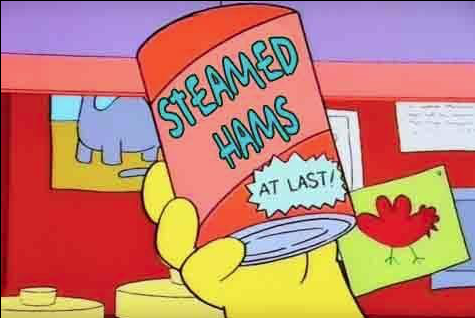
It's also a test case for how studios can extract value from content that wasn't designed to be franchised. The Simpsons has theme park rides, a feature film, and endless merchandising — but "Steamed Hams" exists outside that infrastructure. It's not a character you can license or a storyline you can sequel. It's a four-minute bit that became culturally significant only because the internet decided it was worth obsessing over. The event is Fox figuring out how to monetize that obsession without needing to produce anything new.
The strategy mirrors what's happening across the creator economy, where platforms and brands have learned that audiences will pay for proximity to the thing they already love. A live event doesn't offer new content — it offers the experience of being in the room where the content is discussed, dissected, and validated by the people who made it. It's the same model as a Comic-Con panel or a Patreon Q&A, just applied to a 30-year-old sitcom scene.
What makes this particularly efficient is that Fox doesn't have to compete with the internet's version of "Steamed Hams." The remixes, parodies, and shitposts aren't rivals — they're proof of concept. The more the internet remixed the scene, the more it demonstrated that there was an audience willing to engage with it at length. The studio just had to wait for the meme to mature into something that felt like cultural history rather than a current joke.
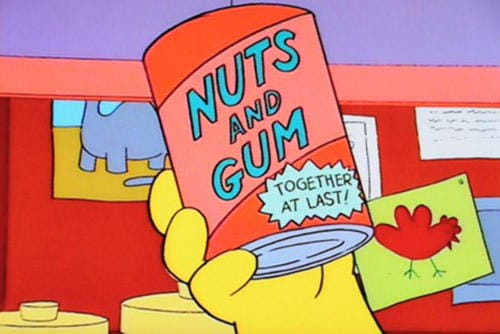
The risk is that this model only works for IP that has already been validated by the internet. Studios can't manufacture this kind of engagement — they can only harvest it after the fact. That means the revenue is always backward-looking, always dependent on fan labor that happened without compensation, and always vulnerable to the internet moving on to the next thing. "Steamed Hams" is still culturally legible in 2026, but it's not clear how many more scenes from The Simpsons' back catalog have that kind of staying power.
Still, the event is a signal that legacy TV has stopped pretending the internet's relationship to its content is just ambient buzz. If a meme can sustain a decade of remixes, it can sustain a live tour. And if it can sustain a live tour, it can be treated like IP worth protecting, licensing, and monetizing — even if the thing being monetized is the story of how the internet made it matter in the first place.