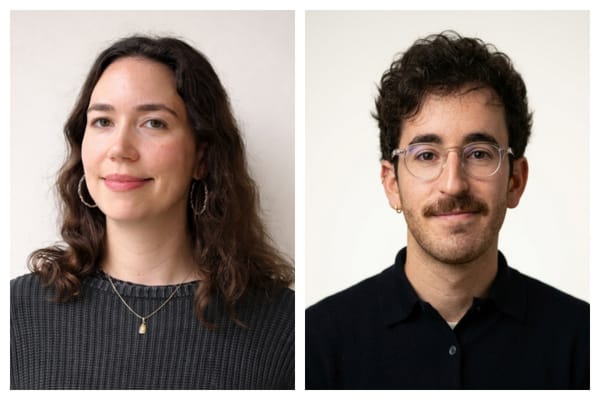
SWZZ Media hired Nathalie Sar-Shalom as a producer this week. She'll help scale the company's Los Angeles production operation. The company, led by Mier Liu, makes vertical video series like The Godfather's Secret Lover for platforms like NetShort. If that sentence feels minor, it shouldn't. What looks like a routine production hire is actually a structural shift: microdramas — the bite-sized, vertically formatted, app-native storytelling format that exploded in China — are becoming Hollywood infrastructure.
According to Deadline, Sar-Shalom comes to SWZZ after years freelancing for companies like Wicked Lovely Films & Media and MakeMake Entertainment. That résumé matters less than the fact that SWZZ is hiring at all. The company is building a production pipeline for a format most American studios still don't know how to price, staff, or distribute. SWZZ does. And the fact that they're expanding in LA — not just licensing content from Asia — means the microdrama economy is no longer experimental. It's operational.
Microdramas are not TikToks with better scripts. They're serialized, vertical video narratives designed for mobile-first consumption, usually running 60 to 90 seconds per episode across dozens of installments. The format originated in China, where platforms like Kuaishou and Douyin turned them into a multibillion-dollar industry. The business model is simple: episodes are free to start, then monetized through in-app purchases, subscriptions, or ad-supported viewing. The production model is even simpler: shoot fast, edit faster, release daily. It's soap opera economics applied to the attention span streaming platforms have been chasing for years.
Hollywood has spent the last decade trying to crack short-form. Quibi failed spectacularly. YouTube Originals pivoted away from scripted. Snapchat's shows never scaled beyond branded content. The problem wasn't the format — it was that legacy studios kept trying to adapt traditional production models to phone screens. Microdramas don't adapt. They're built natively for vertical video, designed for binge-watching in subway commutes and lunch breaks, and optimized for the kind of emotional hooks that make people tap "next episode" without thinking. SWZZ isn't trying to make prestige TV shorter. They're making a different product entirely.
The timing of Sar-Shalom's hire is worth noting. Legacy media companies are still figuring out how to build creator studios, and most of their efforts look like corporate approximations of what works on TikTok. SWZZ is bypassing that entirely. They're not trying to make influencers into actors or repurpose IP for short-form. They're building a production system optimized for volume, speed, and platform-specific distribution. That's the actual competitive advantage — not the format itself, but the infrastructure to produce it at scale.
The microdrama model also sidesteps the creator economy's biggest vulnerability: platform dependency. A TikTok creator with 5 million followers can lose everything if the algorithm shifts or the app gets banned. A microdrama producer owns the content, controls the IP, and can distribute across multiple apps. NetShort, ReelShort, and other microdrama platforms are growing fast, but they're not the only game. SWZZ's content can live wherever vertical video audiences migrate next. That's a more durable business than hoping your latest dance trend doesn't get buried by the algorithm.
What makes this hire particularly telling is that SWZZ is expanding in LA, not just producing abroad and importing finished content. That means they're betting on American audiences, American talent, and American production capacity. It also means they're positioning themselves as the go-to shop for a format that's about to get crowded. Studios that figure out new formats early get to set the terms. SWZZ is building that advantage now, while everyone else is still figuring out whether microdramas are a fad or the future.
The answer is neither. Microdramas are just another format — one that happens to align perfectly with how people actually use their phones. Hollywood spent years insisting that prestige meant long runtimes and cinematic aspect ratios. The audience moved on. SWZZ is meeting them where they already are, and hiring producers who know how to work fast enough to keep up.