What Is a Parasocial Relationship? The Psychology Behind Celebrity Obsession
If you've ever felt genuinely heartbroken when your favorite YouTuber took a hiatus, or caught yourself saying "we" when discussing a celebrity's life choices, you've experienced a parasocial relationship. These one-sided emotional connections have quietly shaped fan culture for decades, but social media has transformed them from a niche academic concept into a defining feature of digital life.
Understanding parasocial relationships isn't just about pathologizing superfans or dismissing genuine emotional experiences. It's about recognizing how modern media has fundamentally changed the way we form attachments, and why the line between authentic connection and manufactured intimacy grows blurrier every day.
The Academic Origins: Horton and Wohl's 1956 Discovery
The term "parasocial relationship" was coined by sociologists Donald Horton and Richard Wohl in 1956, during television's golden age. They observed something curious: viewers were developing what felt like genuine friendships with television personalities, despite the relationship being entirely mediated and one-directional. The audience member knew the performer, but the performer had no idea the audience member existed.
Horton and Wohl called this phenomenon "parasocial interaction"—the illusion of a face-to-face relationship with a media figure. When Johnny Carson looked into the camera and addressed viewers directly, he created what they termed a "simulacrum of conversational give and take." Viewers responded emotionally as if Carson were actually in their living rooms, speaking specifically to them.
What made this academically significant wasn't that people enjoyed entertainment. It was that they were forming actual emotional bonds, complete with feelings of intimacy, loyalty, and even betrayal if their favorite personality did something disappointing. The relationship felt real, even though it existed entirely in one direction.
Social Media: Parasocial Relationships on Steroids
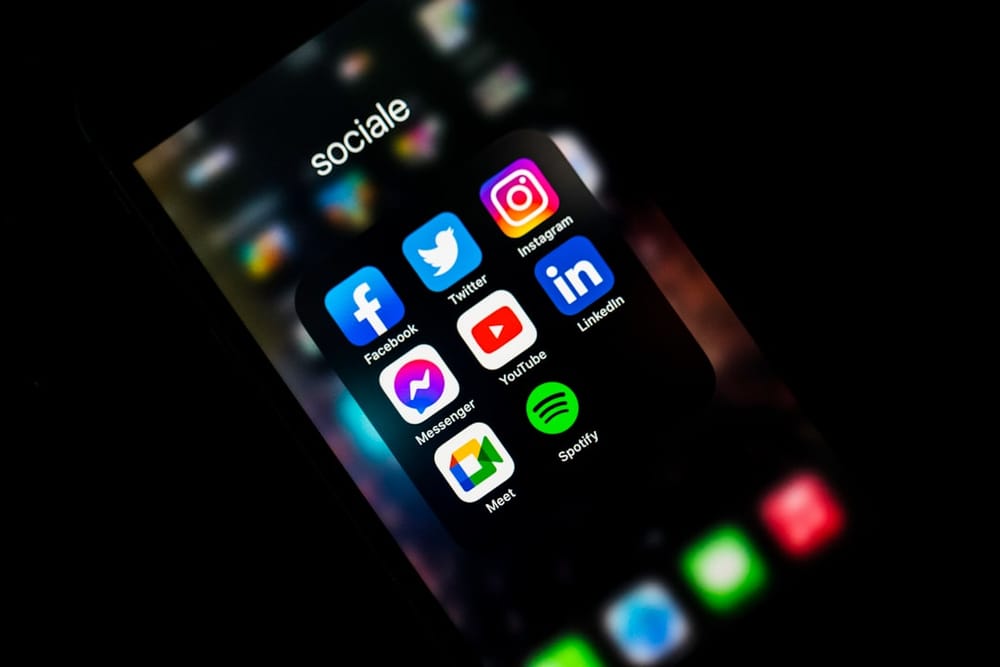
If television created the conditions for parasocial relationships, social media has engineered them into the infrastructure of online life. The platforms we use daily are essentially parasocial relationship machines, designed to make distance feel like intimacy and performance feel like authenticity.
Instagram Stories epitomize this shift. When a celebrity shares their morning coffee routine, their skincare regimen, or their unfiltered thoughts at 2 AM, it creates an illusion of access. You're not watching a produced television show; you're supposedly seeing the "real" them. The vertical video format, the casual aesthetic, the 24-hour disappearing feature—all of it whispers: "This is just for you, right now, no filter."
TikTok has taken this even further. The algorithm serves you content from creators who feel like they're speaking directly to you, addressing your specific interests, humor, and anxieties. The comment section creates the appearance of dialogue. When creators like Sarah Soda respond to comments or create videos addressing their followers' questions, the parasocial bond strengthens. You're not just consuming content; you're participating in what feels like a relationship.
Twitch might be the most potent parasocial platform of all. Streamers broadcast for hours, talking to their chat in real-time, remembering regular viewers' usernames, acknowledging donations with personalized messages. The live format creates urgency and presence. When a streamer says "Hey, welcome back!" to a returning chatter, it triggers the same neural pathways as actual social recognition.
The Intensity of Modern Fandom: From Swifties to Stan Culture
Contemporary fan communities demonstrate both the beauty and the complexity of parasocial relationships. Swifties—Taylor Swift's fanbase—have built entire interpretive frameworks around her music, analyzing lyrics for hidden meanings, defending her against criticism, and celebrating her successes as if they were their own. When Swift announced her Eras Tour, fans didn't just want tickets; they felt they deserved to be there, to participate in a moment with someone who felt like a friend.
K-pop stan culture takes parasocial intensity to another level. Fans learn Korean to understand their idols without translation, organize streaming parties to boost chart performance, and create elaborate fan content. The K-pop industry deliberately cultivates these relationships through fan meetings, personalized video messages, and social media interactions designed to make each fan feel uniquely seen.
These aren't necessarily unhealthy dynamics. Fandoms provide community, creative outlets, and genuine joy. The problem emerges when the parasocial relationship becomes so consuming that it displaces reciprocal relationships, or when fans forget that the intimacy they feel isn't actually mutual.
When Parasocial Relationships Turn Toxic
The dark side of parasocial relationships manifests in several ways. There's the fan who shows up at a creator's home, convinced they have a special connection. The stan who sends death threats to anyone criticizing their idol. The viewer who experiences genuine grief and dysfunction when a YouTuber they've never met takes a break.
Mental health professionals have identified warning signs: when someone prioritizes a parasocial relationship over real-world connections, when they become financially irresponsible to support a creator, when they experience intrusive thoughts about the media figure, or when they react with disproportionate anger to perceived slights.
The asymmetry itself can be psychologically damaging. You invest emotional energy into someone who doesn't know you exist. When that person inevitably fails to meet your expectations—they express a political opinion you disagree with, or they simply stop creating content—the sense of betrayal can be acute, even though no actual relationship existed to betray.
The Creator Economy: Manufacturing Intimacy
Here's where it gets ethically complicated: the creator economy is built on deliberately cultivating parasocial relationships. Creators aren't accidentally stumbling into these dynamics; they're strategically engineering them.
Patreon tiers offer "exclusive" access. OnlyFans creators send "personalized" messages. YouTubers title videos "We need to talk" as if addressing a friend. Discord servers create the illusion of hanging out together. Every platform feature, every monetization strategy, every piece of creator advice emphasizes "authenticity" and "community"—terms that obscure the fundamentally commercial nature of the relationship.
This isn't to say creators are villains. Most genuinely care about their audiences and work hard to provide value. But the economic model requires maintaining the feeling of intimacy at scale, which is inherently paradoxical. You can't actually be friends with 500,000 people, but you can make 500,000 people feel like they're your friend.
The most successful creators understand this balance intuitively. They share enough to feel accessible without actually sacrificing privacy. They engage enough to seem present without becoming overwhelmed. They monetize the relationship while maintaining the fiction that it's not really about money.
Living in a Parasocial World
Parasocial relationships aren't going anywhere. If anything, they're becoming more sophisticated as platforms develop new features and creators refine their techniques. Virtual reality, AI-generated content, and increasingly personalized algorithms will only intensify these dynamics.
The solution isn't to eliminate parasocial relationships—they're a natural response to mediated communication and can provide real value. Instead, we need parasocial literacy: the ability to recognize these relationships for what they are, to enjoy them without being consumed by them, and to maintain boundaries even when platforms are designed to erode them.
Next time you feel that pang of connection watching someone's Instagram Story, take a moment to acknowledge what's happening. You're experiencing something very old—the human need for connection—through something very new. That's not pathological. It's just the strange, mediated world we've built for ourselves, one follow button at a time.