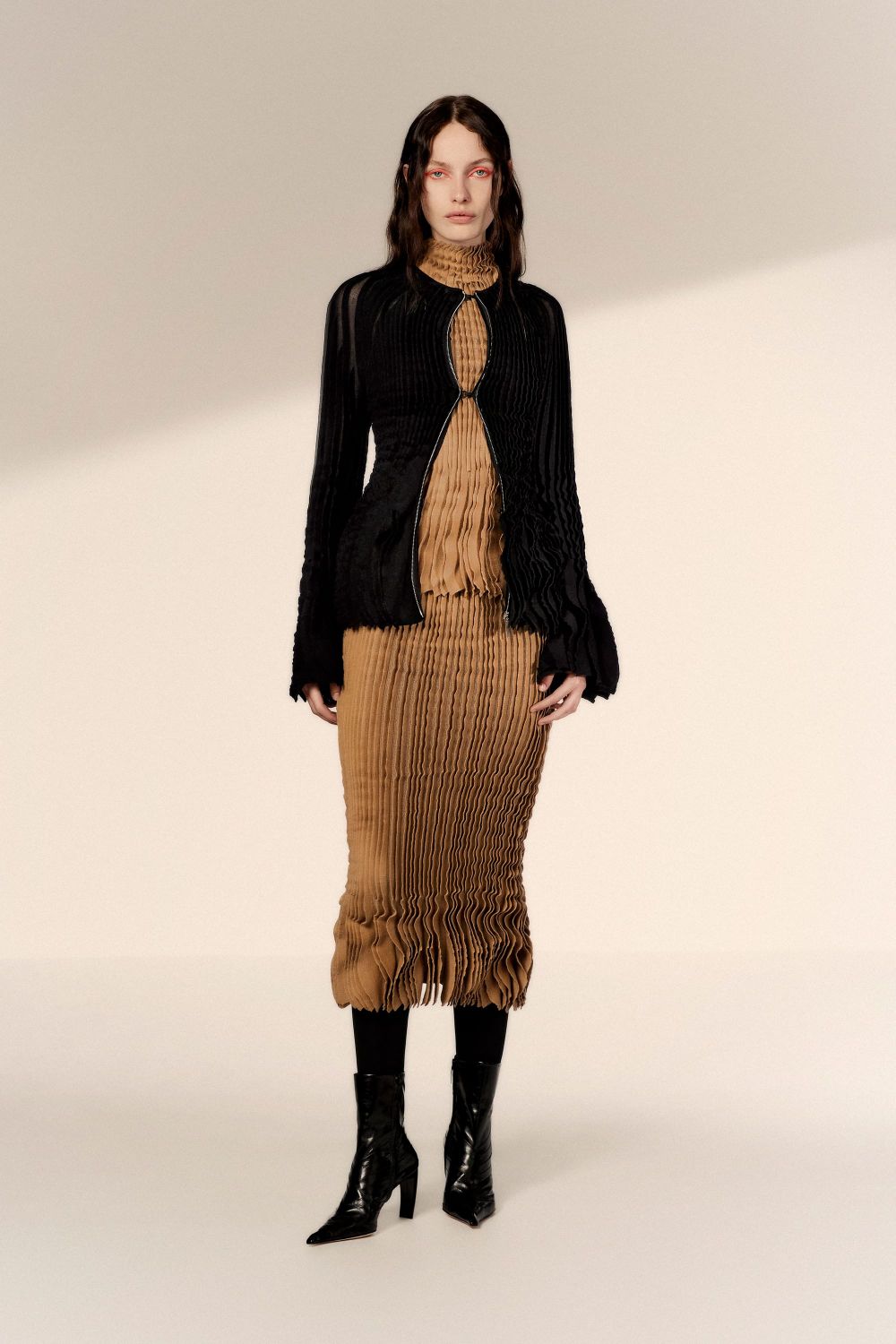
The ArdAzAei Fall 2026 show appeared on the official Paris Fashion Week calendar with no press notes, no celebrity front row, and no backstage access. What it did have: a collection of precisely tailored outerwear in muted earth tones, structured silhouettes that suggested architectural training rather than fashion school pedigree, and a presentation format that felt more like a private studio viewing than a runway spectacle. The designer's name—ArdAzAei—offered no immediate cultural reference point, no famous mentor, no Instagram following to justify the slot.
That absence of context is becoming its own kind of statement. Paris Fashion Week has spent the last decade absorbing streetwear brands with ready-made audiences, celebrity vanity projects with built-in press coverage, and heritage houses trading on decades of name recognition. ArdAzAei represents something different: a designer arriving with nothing but the work itself, betting that craft and point of view still matter more than follower count or brand narrative.
The collection's aesthetic—clean lines, neutral palettes, an emphasis on construction over decoration—reads as a deliberate rejection of the maximalism that has dominated recent seasons. Where other emerging designers have leaned into spectacle to compete for attention, ArdAzAei's approach feels almost austere. The pieces shown suggest a designer more interested in how clothing functions on the body than how it photographs for social media. That's a risky position in an industry where virality increasingly determines which designers get picked up by buyers and which fade after a single season.
What makes the ArdAzAei show significant isn't the collection itself—it's what the show's inclusion on the official calendar reveals about where Paris Fashion Week is willing to make space. The major fashion weeks have faced criticism for becoming too insular, too focused on established names and celebrity-adjacent brands that guarantee press coverage but rarely push the medium forward. Giving a slot to an unknown designer with no obvious commercial hook suggests the gatekeepers are aware of that critique, even if they're only testing the edges of how much risk they're willing to take.
The question is whether this represents a genuine shift or a token gesture. Paris has always had room for experimental voices—Matières Fécales proved provocation still has a place earlier this season, and Viktor & Rolf continues to test how much concept fashion can sustain. But those designers arrived with institutional backing or established reputations. ArdAzAei has neither, which makes the show's existence more interesting than its contents.
The fashion industry's current economic reality makes this kind of bet increasingly rare. Brands are consolidating, buyers are risk-averse, and the pressure to deliver immediately recognizable, commercially viable collections has never been higher. Emerging designers who can't demonstrate an existing audience or a clear path to profitability struggle to find backing. The fact that ArdAzAei secured a Paris slot without those credentials suggests someone in the decision-making chain still believes in the old model: that talent and craft can build an audience rather than requiring one upfront.
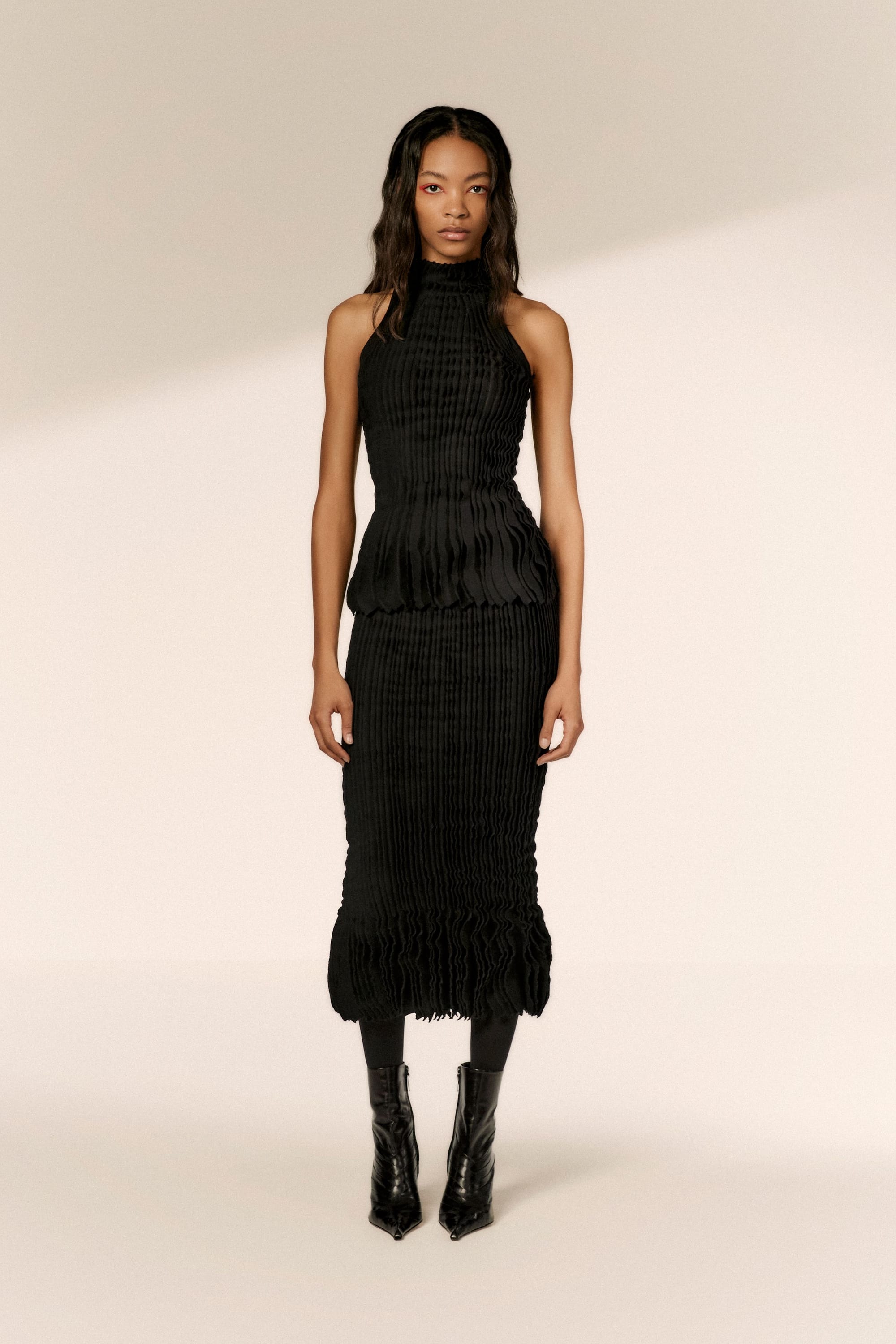
Whether that belief proves correct will depend on what happens next. A single show on the Paris calendar doesn't guarantee longevity—it guarantees attention, temporarily. The designers who convert that attention into sustainable careers are the ones who can translate a strong point of view into pieces that buyers want to stock and customers want to wear. ArdAzAei's aesthetic—minimalist, architectural, focused on construction—has commercial precedent, but it also faces competition from established brands doing similar work with bigger budgets and better distribution.
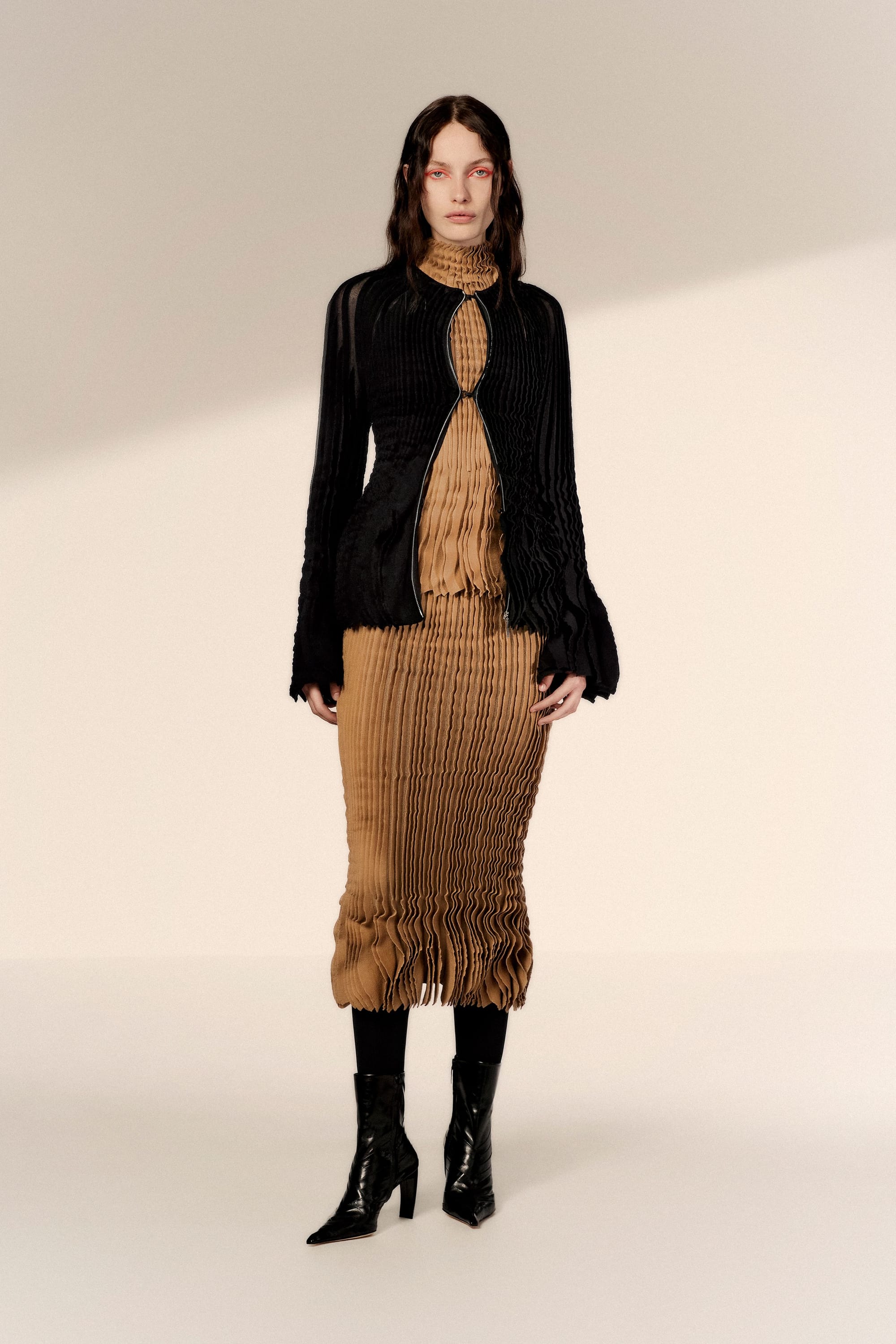
What the show does prove is that Paris Fashion Week still functions as a discovery platform, not just a showcase for established names. That matters more than it might seem. Fashion's credibility as a creative medium depends on its ability to surface new voices, not just recycle familiar ones. If the major fashion weeks become exclusively about heritage brands and celebrity projects, they stop being cultural arbiters and become trade shows. ArdAzAei's presence on the calendar—minimal as it was—suggests the gatekeepers understand that distinction, even if they're still figuring out how much they're willing to invest in preserving it.
For more, see Rory William Docherty’s London debut and Uma Wang’s independent path.