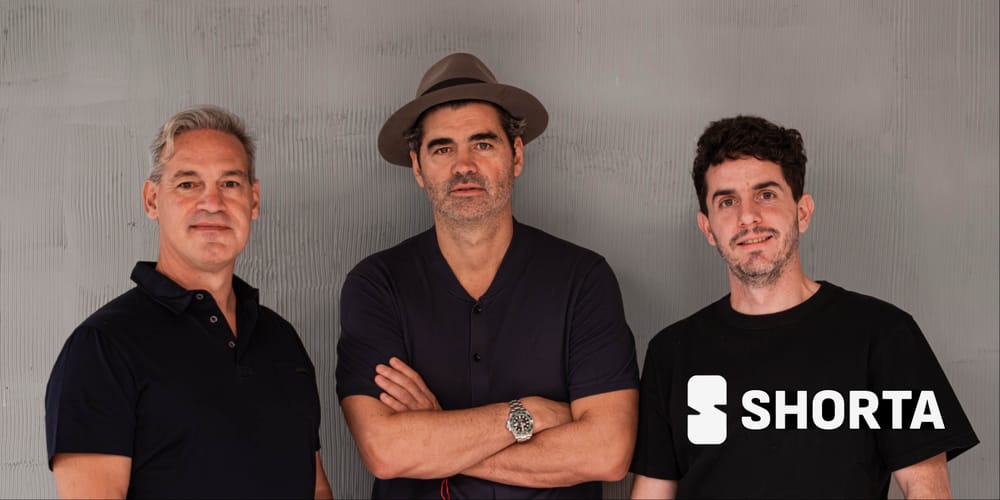
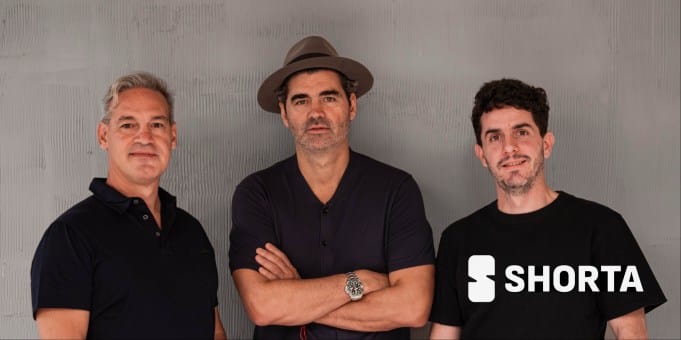
Armando Bo won an Oscar for co-writing Birdman, a film that spent two hours mocking superhero franchises and celebrity culture while disguised as a single unbroken take. Now he's launching Shorta, what he and his co-founders—tech investor Ariel Arrieta and streaming pioneer Tomás Escobar—are calling Latin America's first vertical series platform. The format Bo is betting on is the same one prestige filmmakers spent the last decade dismissing as a TikTok gimmick, a Snapchat fad, a creative dead end for people who don't know how to hold their phones correctly.
The irony isn't subtle. Birdman was a film about artistic integrity in the face of commercial compromise. Shorta is a platform built entirely around the aspect ratio that traditional filmmakers have treated as the visual equivalent of selling out. But Bo's move isn't a betrayal of prestige values—it's an admission that the format war is over, and vertical won.
According to Deadline, Shorta is positioning itself as a microdrama platform, a category that has exploded in Asia but has struggled to gain institutional legitimacy in Western markets. Microdramas are short-form serialized narratives, usually under 10 minutes per episode, designed for mobile consumption. They're the soap operas of the algorithm era—high drama, low production cost, maximum addictiveness. The format has been dismissed by traditional media as cheaply made content for audiences with short attention spans. But the numbers don't care about prestige. Microdrama platforms in China have generated billions in revenue, and the model is spreading.
Bo's involvement changes the optics. When an Oscar-winning screenwriter launches a vertical video platform, it's not just another tech entrepreneur chasing the creator economy. It's a signal that the format has crossed the legitimacy threshold. Vertical video is no longer something prestige talent dabbles in for social media engagement—it's something they're willing to build entire companies around.
The business strategy is clear. Latin America has been underserved by major streaming platforms, which have treated the region as a market for dubbed imports rather than a production hub for original content. Netflix, Max, and Disney+ have all struggled to balance global scale with regional specificity, and their content libraries in Latin America reflect that tension. Shorta is betting that vertical microdramas can fill the gap—cheap to produce, easy to localize, and designed for the mobile-first audiences that streaming platforms have failed to capture.
The format also solves a structural problem that has plagued prestige television for years: the cost of production. Traditional prestige TV requires crews, locations, post-production budgets, and distribution deals that can take years to recoup. Vertical microdramas can be shot on phones, edited in days, and distributed directly to audiences without the infrastructure overhead of traditional television. It's the same economic logic that has driven the rise of the creator economy—lower production costs, faster turnaround, and direct audience relationships.
But Bo's platform isn't just replicating the TikTok model. Shorta is positioning itself as a premium vertical video service, which means it's betting that audiences will pay for higher-quality short-form content rather than scrolling through algorithmic feeds for free. That's a gamble. The entire appeal of vertical video has been its accessibility—anyone with a phone can make it, and anyone with a phone can watch it. Charging for that experience requires convincing audiences that Shorta's content is worth more than the infinite free alternatives on TikTok, Instagram, and YouTube Shorts.
The cultural implications are more complicated. Vertical video has always been a format defined by its constraints. The 9:16 aspect ratio forces filmmakers to rethink composition, pacing, and visual storytelling in ways that traditional cinema doesn't. For years, those constraints were treated as limitations—evidence that vertical video was a lesser form. But constraints also force creativity. The best vertical video creators have figured out how to use the format's limitations as strengths, building visual languages that feel native to mobile screens rather than like compromised versions of horizontal cinema.
Bo's involvement suggests that prestige filmmakers are finally ready to engage with those constraints rather than resist them. That's a shift. For most of the last decade, the default position among traditional filmmakers has been that vertical video is a necessary evil for social media marketing, not a legitimate creative medium. Salvador Paskowitz's pivot from feature screenwriting to vertical video direction was an early signal that Hollywood was starting to take the format seriously, but Bo's move is more significant. Paskowitz was adapting to the creator economy. Bo is building infrastructure for it.
The regional focus matters too. Latin America has been a testing ground for mobile-first media strategies for years, and the region's audiences have been early adopters of vertical video formats. But most of the platforms serving those audiences have been international—TikTok, Instagram, YouTube. Shorta is betting that there's room for a regional player that understands local tastes, speaks the language fluently, and isn't optimizing for a global algorithm designed in Silicon Valley. That's the same bet that Prime Video India made when it flooded the market with regional productions, and it worked. Local content, produced at scale, beats global content optimized for the lowest common denominator.
But Shorta's success depends on whether audiences actually want premium vertical video. The format's strength has always been its disposability—scroll, watch, move on. Asking audiences to pay for that experience, or even to commit to serialized narratives in a format designed for quick hits, is a harder sell. Microdramas work in Asia because they've built entire ecosystems around the format, with established production pipelines, star systems, and audience expectations. Latin America doesn't have that infrastructure yet. Shorta is betting it can build it.
The other risk is that vertical video's legitimacy era might be short-lived. Formats rise and fall based on platform priorities, and platforms shift those priorities based on revenue models. TikTok's dominance has made vertical video unavoidable, but TikTok's future in the U.S. remains uncertain, and regulatory scrutiny of algorithmic platforms is increasing. If the platforms that popularized vertical video lose their cultural dominance, the format's appeal could fade with them.
For now, though, Bo's move is a clear signal: the format that prestige filmmakers spent years dismissing is now the format they're willing to build businesses around. That's not a compromise. It's a recognition that the audience moved on without waiting for permission.