Regional art fairs have spent the last decade building their reputations on what the mega-fairs couldn't offer: curation, accessibility, and a focus on local ecosystems rather than global trophy hunting. That model just hit a wall in Singapore.
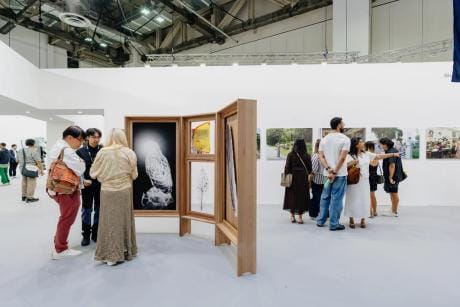
For the first time this year, S.E.A. Focus was folded into Art SG, merging the curated Southeast Asian boutique fair into the larger commercial event. According to dealers who spoke to The Art Newspaper, the move signals that regional fairs are consolidating to compete with Art Basel and Frieze — but in doing so, they're abandoning the editorial rigor that justified their existence in the first place.
S.E.A. Focus launched in 2019 as a deliberate counterpoint to the commercial sprawl of larger fairs. It was small, vetted, and focused on galleries and artists from Southeast Asia who wouldn't otherwise get wall space at the major events. The curation wasn't just aesthetic — it was structural. The fair operated as an on-ramp for collectors unfamiliar with the region's contemporary art scene, offering context and access rather than assuming fluency. That's valuable infrastructure, and it's exactly what gets lost when a boutique fair gets absorbed into a larger commercial operation.
The merger follows a pattern playing out across the fair circuit. As Frieze expands into cities like Los Angeles, regional fairs are caught between two bad options: stay small and risk irrelevance, or scale up and risk losing the curation that made them distinct. Art SG chose scale. The question is whether the galleries and collectors who valued S.E.A. Focus's editorial filter will follow — or whether they'll realize the merge just turned a curated experience into another booth grid.
The economics are obvious. Running two separate fairs in the same city during the same week splits resources, dilutes foot traffic, and confuses the international collectors the fairs are trying to attract. Consolidation makes sense if your goal is efficiency. But efficiency isn't curation. A larger fair with a "curated section" is not the same thing as a standalone event with a coherent thesis. The former is a compromise. The latter is a position.
What dealers are expressing concern about — and what Art SG's organizers seem to be betting won't matter — is whether Southeast Asian galleries will have the same visibility inside a larger commercial fair as they did in a dedicated boutique event. The risk isn't just about booth placement. It's about context. A curated fair tells collectors what to pay attention to. A large commercial fair assumes they already know. That assumption works fine for blue-chip galleries showing established names. It works less well for emerging markets trying to build collector bases from scratch.
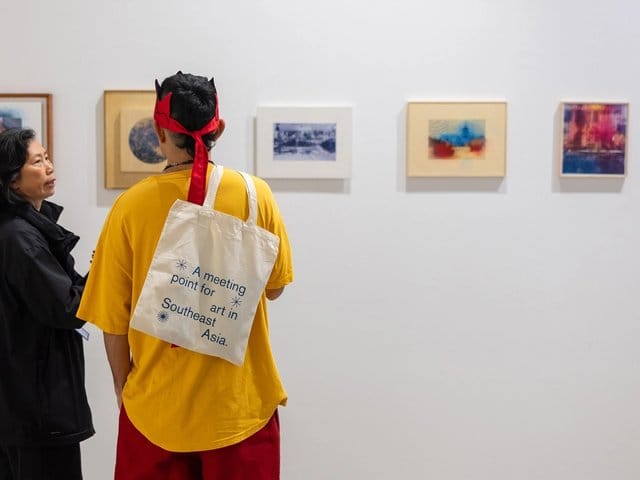
The consolidation also raises a structural question about what regional fairs are actually for. If the goal is to compete with Art Basel on scale and international reach, then mergers like this one make strategic sense. But if the goal is to build sustainable local ecosystems — to create infrastructure for galleries, artists, and collectors in regions the mega-fairs treat as satellite markets — then absorption into a larger commercial event is just a slower way of losing. Collectors building regional collections need context, not just access. A curated fair provides that. A booth grid does not.
The test for Art SG will be whether the merger actually delivers the scale benefits it's trading curation for — and whether the galleries that anchored S.E.A. Focus see better results inside the larger fair or just get lost in it. If the latter, expect more regional fairs to resist consolidation and double down on the boutique model. If the former, expect this to be the first of many mergers as smaller fairs realize they can't compete with the mega-brands without becoming them.
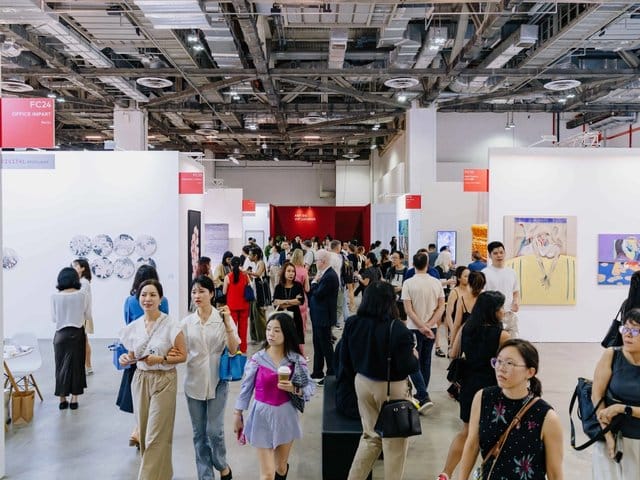
Either way, the regional fair model that emerged in the 2010s — small, curated, focused on building local ecosystems rather than chasing international trophy collectors — is being tested in real time. Singapore just ran the experiment. The results will shape how every other regional fair decides whether to stay independent or fold into something bigger.