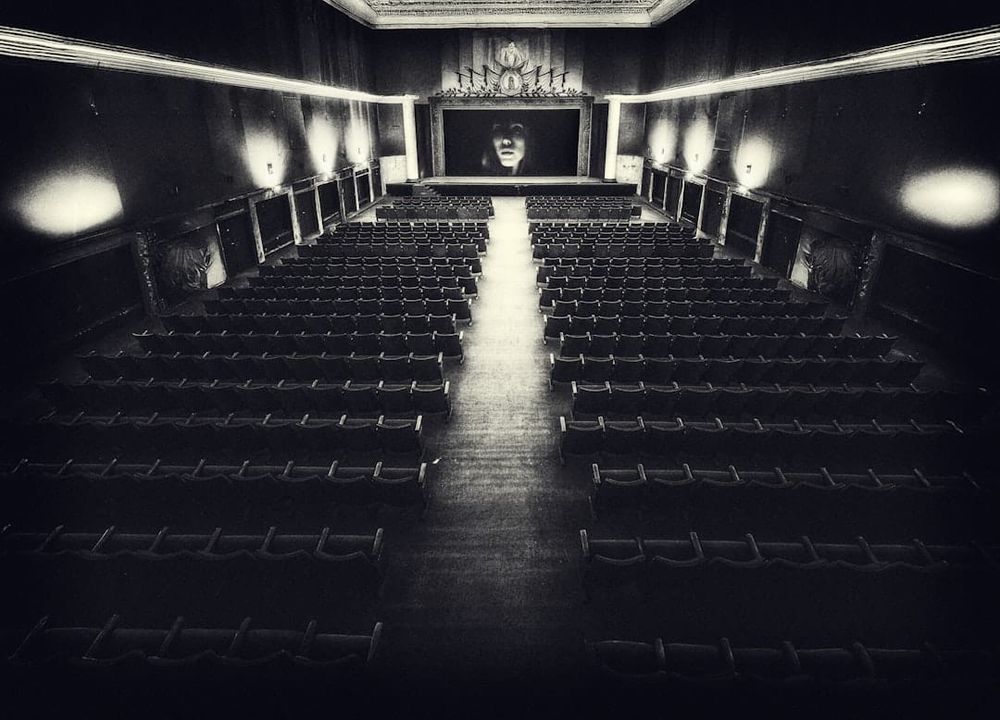
The New Beverly Cinema is owned by Quentin Tarantino, programs exclusively on 35mm film, and sells out most weekends. That last detail — full houses, in 2026, for physical film projected in a room — is the data point that theatrical pessimists can't explain.
Art house cinemas do something streaming structurally cannot: they put a room full of strangers through a shared physical experience with a piece of art. The screen is bigger than your wall. The sound is mixed for a theater, not earbuds. The audience changes the film — collective laughter, collective silence, collective gasps at a cut you've seen a dozen times. Los Angeles, a city that makes movies, also has the best infrastructure in the country for watching them the way they were meant to be watched.
The Revival Houses
New Beverly Cinema (Beverly-La Brea) — Owned by Quentin Tarantino since 2007 and operated by his team with the precision of a film archive and the enthusiasm of a fan club. Projection is 35mm only — no digital, ever. The programming mixes studio classics, exploitation deep cuts, rare imports, and double features that reveal connections between films you wouldn't have noticed otherwise. Tickets are $10. The concession stand is basic. The experience is irreplaceable.
American Cinematheque (Egyptian Theatre, Hollywood / Aero Theatre, Santa Monica) — Two venues, both landmarks. The Egyptian Theatre on Hollywood Boulevard was restored to its 1922 glory — forecourt murals, concrete pharaoh heads, golden sunburst ceiling — and is one of just five U.S. cinemas equipped to project rare nitrate film. The programming includes classic revivals, contemporary independents, director Q&As, and themed retrospectives curated with genuine scholarship.
Vista Theatre (Los Feliz) — A single-screen landmark in the heart of Los Feliz, the Vista opened in 1923 as an Egyptian-themed vaudeville house. The interior retains its original ornamental plasterwork. Tarantino nearly bought it; instead it was acquired and restored with a commitment to repertory programming alongside first-run art house releases.
Alamo Drafthouse DTLA (Downtown Los Angeles) — The Austin-based chain brought its food-and-film model to downtown LA in a theater that takes its no-talking, no-phones policy seriously enough to eject violators mid-screening. The programming splits between new releases and repertory — classic horror marathons, 35mm Tarantino prints, sing-along musicals, director-curated series. The full restaurant menu (burgers, salads, craft cocktails) arrives at your seat via a system of servers trained to move silently during projection. The location, inside a mixed-use development near the Financial District, makes it easy to pair a screening with dinner at one of the best date night restaurants nearby. The Drafthouse model — premium experience, strict etiquette enforcement, creative programming — has made believers out of LA audiences who thought they'd never pay theater prices again. On weekends, the late-night "Terror Tuesday" and "Weird Wednesday" screenings draw crowds that treat cult films like participatory theater.
Los Feliz Theatre (Los Feliz) — A three-screen theater on Vermont Avenue that anchors the neighborhood's walkable commercial strip. Built in 1934, the Los Feliz retains its Art Deco marquee and original facade while the interior has been updated with comfortable seating and modern projection. The programming focuses on independent and foreign films — the kind of mid-budget character studies and international festival winners that studios no longer make and multiplexes won't book. On any given weekend you'll find a French drama, a documentary about climate migration, and a low-budget American indie sharing the marquee. The theater's location makes it a natural stop on a Los Feliz evening: grab tacos at one of the neighborhood spots, catch a film, walk to a bar afterward. The crowds skew local — writers, actors, filmmakers, the kind of people who still read film criticism and have opinions about subtitling choices. The Los Feliz doesn't have the historical cachet of the Vista down the street or the curatorial ambition of the New Beverly, but it's a reliable neighborhood art house doing the unglamorous work of keeping independent cinema in theatrical release.
The Independents
Laemmle Theatres (Eight locations) — Family-run since 1938, Laemmle operates across the city including locations in Santa Monica, Glendale, Pasadena, Encino, and North Hollywood. The chain is the backbone of LA's independent and foreign film distribution — if a small European drama or a documentary from the festival circuit gets a theatrical release in LA, it's probably at a Laemmle. Their commitment to diverse cinema has outlasted every industry trend of the last 80 years.
Nuart Theatre (West LA) — Built in 1930, the Nuart found its identity as an art house in the early 1970s and hasn't wavered since. The single-screen format forces a curatorial discipline: every screening is a statement about what's worth seeing. The theater's intimacy — small auditorium, close seating — makes it ideal for films that reward concentration.
Arena Cinelounge (Hollywood) — An art house cinema in the heart of Hollywood at 1625 N Las Palmas Avenue. Arena programs contemporary independents, documentaries, and shorts alongside repertory screenings. The space is small enough that filmmakers who attend Q&As feel like they're having a conversation, not performing.
The Nonprofits
Vidiots (Eagle Rock) — A former Santa Monica video rental shop reborn as a film nonprofit in a nearly century-old theater. Vidiots screens new indie releases alongside repertory picks, classics, and hard-to-find features. The projection setup handles 35mm, 16mm, and digital. The programming philosophy treats film history as a living tradition rather than a museum exhibit — a midnight horror screening gets the same curatorial attention as a Bergman retrospective.
Academy Museum of Motion Pictures (Miracle Mile) — Two theaters inside the museum: the David Geffen Theater (1,000 seats) and the Ted Mann Theater (288 seats). The programming draws from the Academy's archive and pairs films with exhibitions, making the screening experience contextual in ways that standalone theaters can't match. The museum itself — designed by Renzo Piano with a concrete sphere wrapped in glass and steel — is worth visiting even if you're not catching a screening, though the theatrical programming offers something most museums don't: the chance to see restored prints of canonical films projected the way their directors intended. A retrospective might pair a newly restored Lawrence of Arabia 70mm print with an exhibition on Freddie Young's cinematography, or screen pre-Code Hollywood films alongside displays of censorship correspondence. The Geffen Theater's scale makes it ideal for epic cinema — 2001: A Space Odyssey, Apocalypse Now, anything shot in Ultra Panavision. The Ted Mann Theater handles more intimate work and experimental programming. Membership gets you advance tickets and discounted admission, which pays for itself if you're a regular. The location on Wilshire Boulevard, near LACMA and the La Brea Tar Pits, makes it easy to build a full cultural day — or to pair a screening with a stay at one of the design hotels in LA nearby.
The Alternative Spaces
Brain Dead Studios (Fairfax) — A boutique cinema inside a creative hub that also houses a streetwear shop and a garden-patio cafe. The programming leans avant-garde and experimental — the kind of films that most theaters won't touch because they can't categorize them. The setting is deliberately casual: grab a coffee, watch something strange, buy a T-shirt on the way out.
Cinespia (Hollywood Forever Cemetery) — Outdoor screenings in a cemetery sounds like a gimmick, but Cinespia has been doing it since 2002, and the atmosphere — DJs, picnic blankets, the LA skyline behind the screen — turns familiar movies into events. The programming favors crowd-pleasers: Clueless, Mulholland Drive, The Shining. Bring a blanket and wine. The experience is less about cinephilia than it is about summer nights and communal ritual — watching Jaws under the stars with a thousand people who've also seen it a dozen times. The pre-show DJ sets and themed costume contests lean into the social aspect. Tickets sell out fast for marquee screenings, especially classics with local resonance like Chinatown or Sunset Boulevard. The cemetery setting adds a layer of LA mythology: you're watching movies surrounded by the graves of Hollywood legends, some of whom are on the screen. It's the kind of thing that only works in Los Angeles, where film history is also local history. Cinespia has expanded to other LA venues — the Greek Theatre, the Legion of Honor — but the Hollywood Forever screenings remain the signature experience. If you're visiting LA in summer and want to understand why people still care about movies as public events, this is the best argument. Pair it with an afternoon exploring other free things to do in LA before gates open at sunset.
Secret Movie Club — A pop-up cinema that screens 35mm prints in venues across LA, with surprise titles and thematic programming. The secrecy is part of the appeal — you don't always know what you're seeing until the projector starts. The club has built a cult following among the city's most devoted cinephiles.
Every theater on this list is fighting the same battle: convincing people that watching a movie in a room with strangers is worth the effort of leaving the house. The best argument is always the experience itself — the scale, the sound, the collective gasp. You don't get that on your couch. For more on LA's cultural scene, see our guides to the best bookstores and the best art museums in Los Angeles, the best true crime documentaries streaming now and the best photography books of the last decade, Paolo Sorrentino and Toni Servillo's seven-film partnership.