The Christian Dior Fall 2026 ready-to-wear collection, presented in Paris this season, includes no celebrity front-row stunts. No artist collaborations that will be reduced to logo placement. No overwrought conceptual gestures engineered to dominate social feeds for 48 hours before evaporating. What it does include—tailored silhouettes, luxurious fabrications, embellishments that reward a second look rather than a scroll-past—feels almost radical precisely because it's so conspicuously restrained.
This is luxury for people who are tired of being sold to. And if Dior's bet is correct, those people represent the category's most valuable next customers.
The collection arrives at a moment when luxury conglomerates are facing a market correction after years of explosive growth fueled by aspirational consumers and logo-driven hype. LVMH, Dior's parent company, has already signaled in recent earnings that the era of endless expansion is cooling. What comes next isn't contraction, but consolidation—a return to the idea that luxury should be desirable because it's well-made, not because it's been endorsed by the right TikTok creator or worn by the right celebrity at the right event.
The industry has spent the better part of a decade chasing virality, courting creators, and engineering Instagram moments. Fashion week became a performance for an audience that was never going to buy the clothes. Dior's latest offering doesn't reject that ecosystem entirely—it's too commercially savvy for that—but it does suggest a fundamental recalibration. The collection trusts its own design language enough to let it speak without amplification. In an industry that has spent years mistaking noise for influence, that's a surprisingly bold move.
What Dior seems to understand is that the consumers who fueled luxury's Instagram era are aging out of aspirational spending and into actual wealth. They're less interested in being seen in the right logo and more interested in clothes that signal taste, not transaction. This isn't minimalism in the Phoebe Philo sense—there's still plenty of visual richness and tailoring complexity. But it's a kind of confident understatement that luxury houses have largely abandoned in favor of louder, more algorithmic-friendly propositions.
The generational calculation is worth examining. Dior is betting that quietly affluent, aesthetically literate consumers who are skeptical of hype represent the future of luxury. These are people who have watched a decade of brand partnerships, capsule collections, and creator collaborations blur the line between aspiration and access. They've seen luxury houses chase relevance through celebrity tie-ins that felt increasingly hollow. What they want now is something different: clothes designed to be worn, not photographed. Quality that doesn't need external validation.
This shift has business implications beyond Dior. Other luxury houses are grappling with similar questions about what comes after the hype cycle. If Dior's approach resonates commercially—if it sets a new standard for what luxury can be in a post-virality era—the rest of the industry will follow. Not because they want to, but because they'll have to. The era of spectacle isn't over, but it's no longer the only viable strategy.
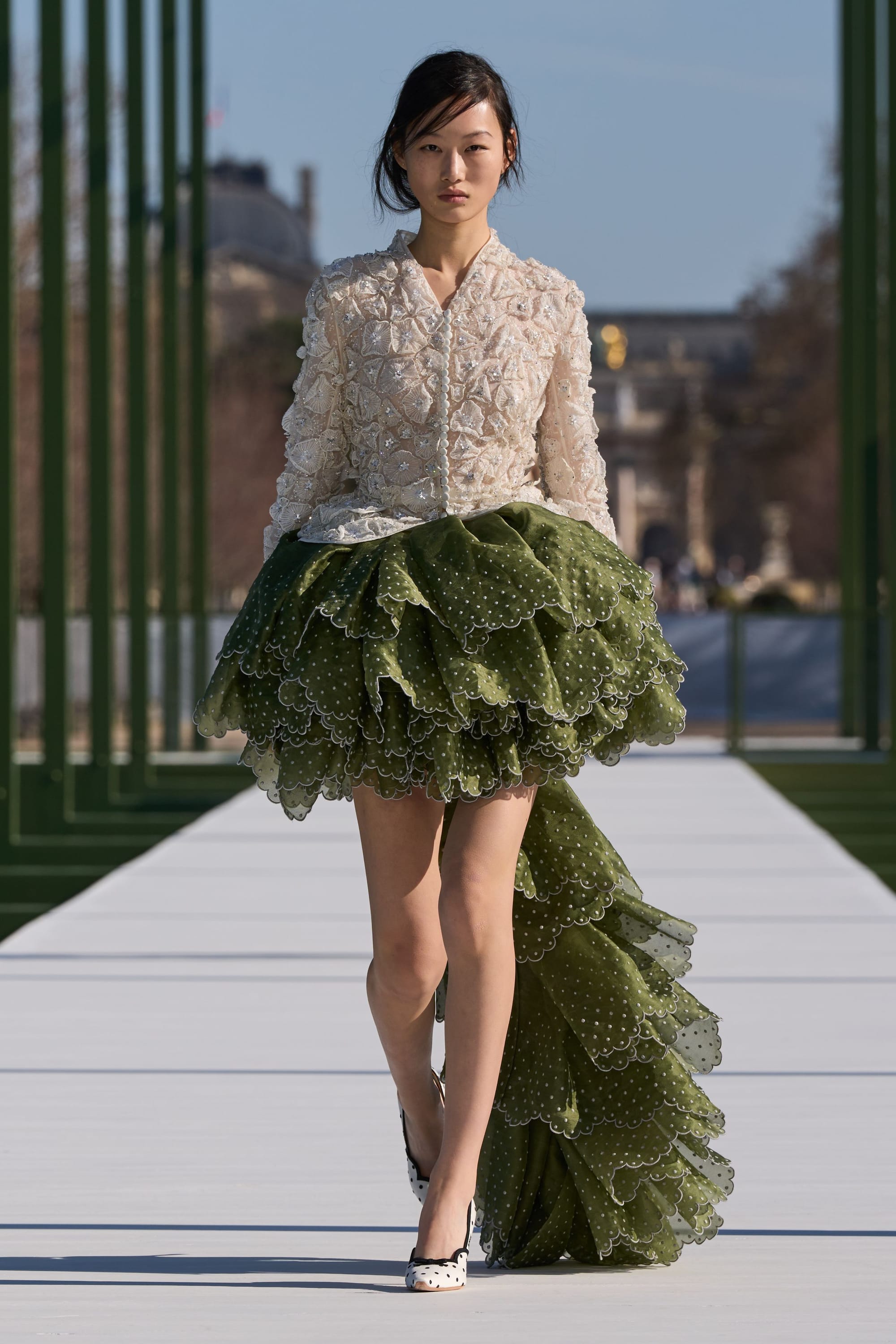
The contrast with other Fall 2026 presentations is instructive. While some houses still rely on celebrity front rows to generate headlines, Dior's restraint reads as confidence rather than caution. The house isn't abandoning marketing—it's redefining what luxury marketing looks like when your target customer has already seen through every traditional play in the book.
What Dior is leaving behind is just as revealing as what it's embracing. Gone is the desperation to manufacture cultural moments through buzzy partnerships or celebrity endorsements. Gone is the need to explain the collection in press releases filled with vague references to "the modern woman" or "timeless elegance." What's left is a collection that simply is—and that self-possession is doing more work than any brand collaboration ever could.
The timing matters for another reason. Luxury's next phase will be defined by who can afford to whisper rather than who can shout the loudest. Dior's Fall 2026 collection isn't just a seasonal offering—it's a market signal. The house is making a calculated bet that the future of luxury belongs to brands that can deliver quality without needing to justify it, that can command attention without manufacturing it, that can sell clothes to people who actually want to wear them rather than people who want to be seen wanting them.
Whether that bet pays off will depend on how luxury's customer base continues to evolve. But the fact that Dior is making it at all suggests the house sees something the rest of the industry is still catching up to: the most valuable luxury customers aren't the ones chasing trends. They're the ones who stopped needing to.
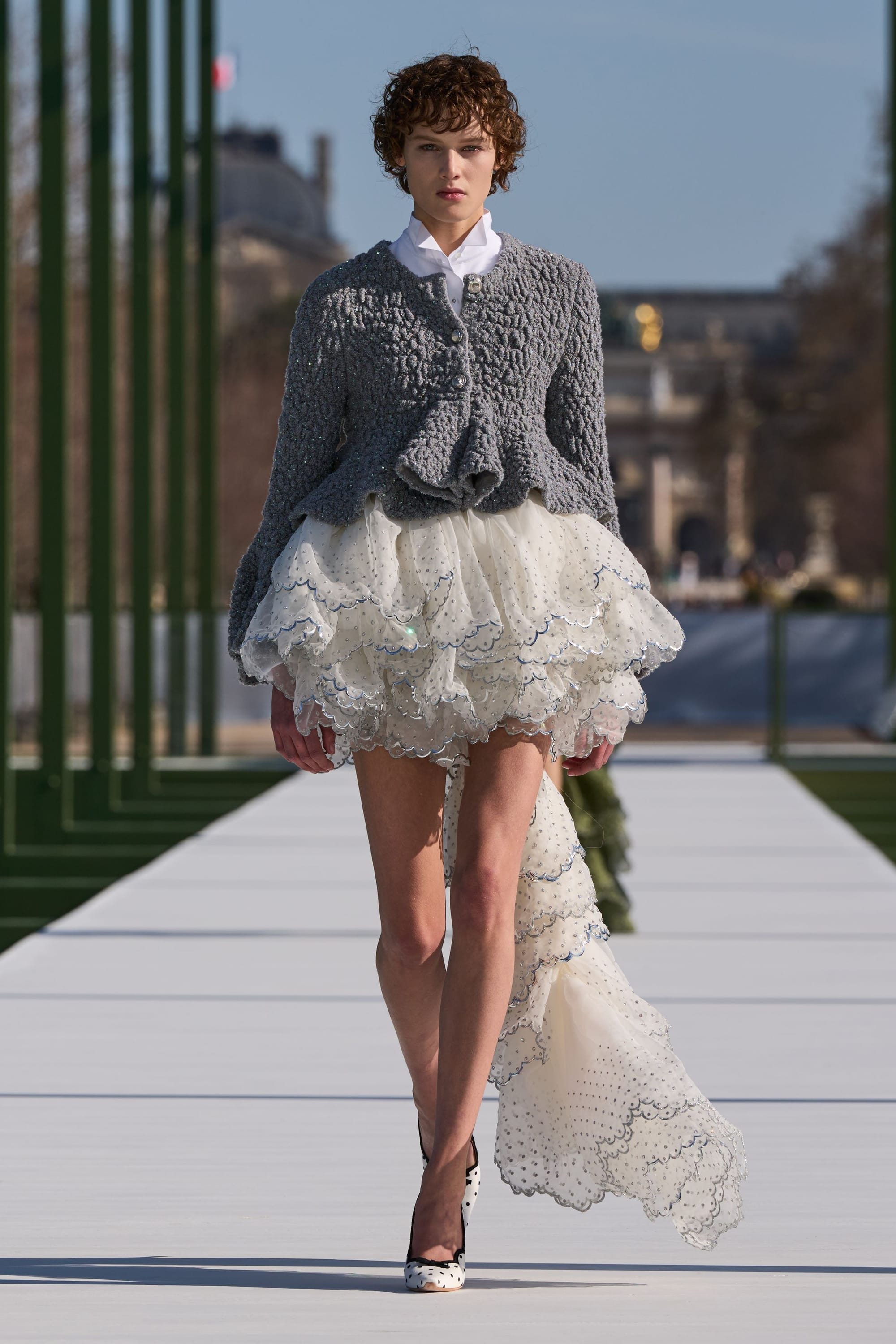
Other houses will be watching. If Dior's strategy works—if restraint becomes the new flex, if quiet confidence outsells manufactured hype—expect the rest of luxury fashion to recalibrate accordingly. The question isn't whether the industry is ready for that shift. It's whether it has a choice.