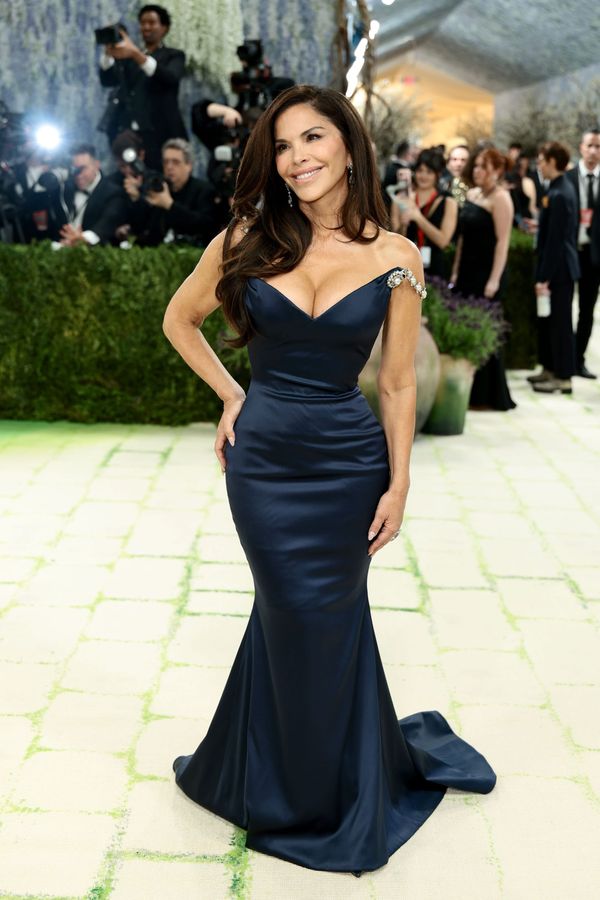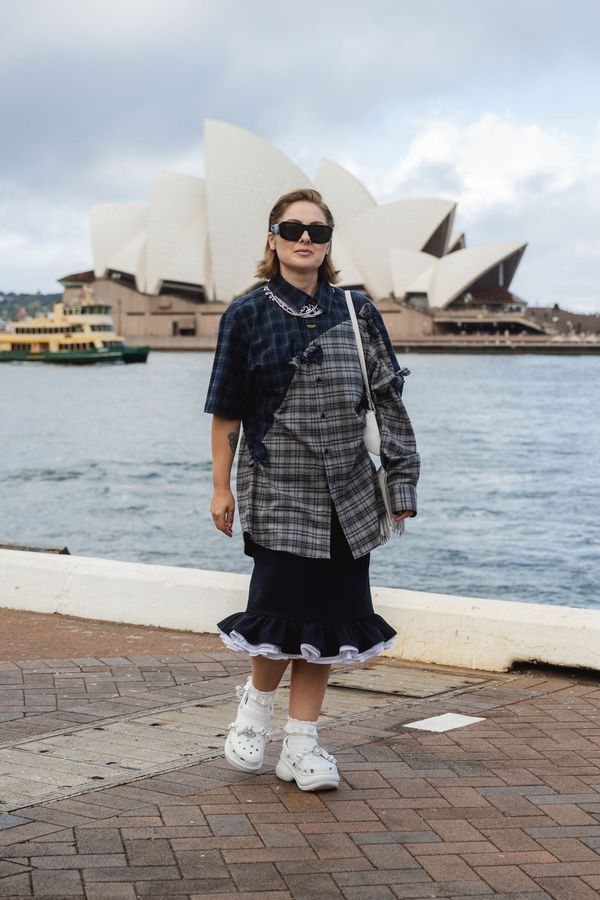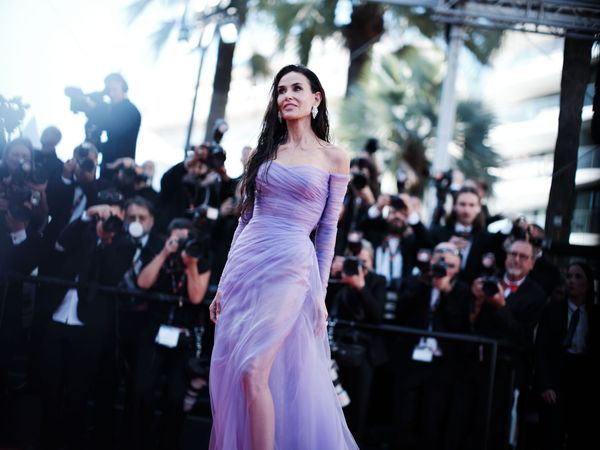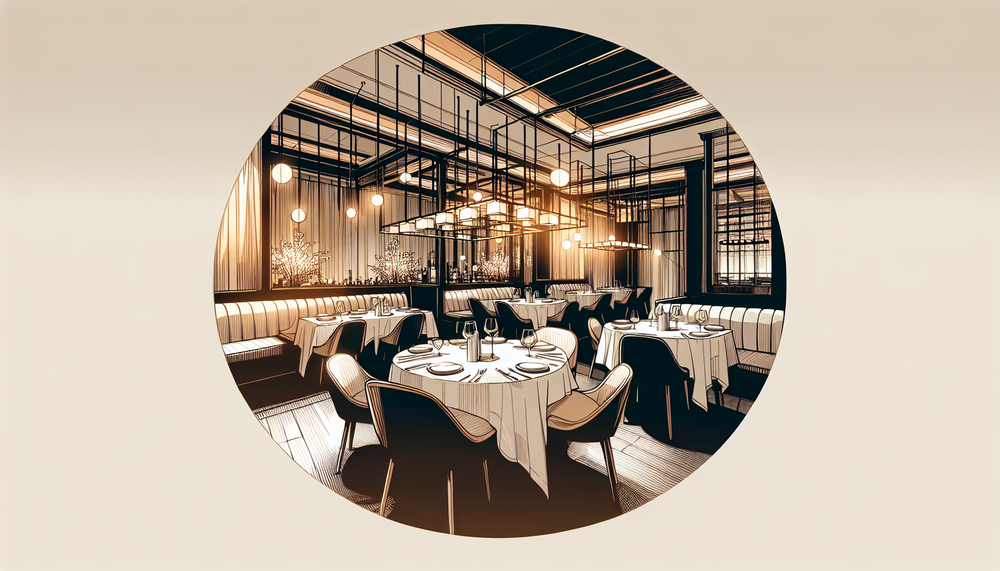
Chateau Marmont has terrible lighting. The Mark Hotel's dining room hasn't been redesigned to optimize for Instagram. Caviar Kaspia in Paris has looked the same for decades. And yet these are the venues that show up in the background of every fashion week dispatch—not as paid partnerships or creator activations, but as the actual infrastructure where the industry operates.
According to Vogue, these spaces have become embedded in fashion's social calendar in a way that transcends typical brand partnerships. But the piece frames this as a matter of taste and access, when the real story is about power dynamics and the economics of cultural credibility. Because what separates the venues that last from the ones that disappear after one season isn't who they know—it's what they're willing to trade.
The restaurants that dominate fashion's ecosystem didn't court the industry. They built spaces that a specific kind of person wanted to be in, then let the industry come to them. That sequencing matters. It's the difference between being useful and being opportunistic, and fashion can smell the difference immediately.
Start with what these places actually do. They're not chasing trends. They're not designing for virality. What they offer is atmospheric neutrality and structural usefulness. Fashion operates on a circuit—shows, fittings, meetings, dinners, after-parties, repeat. The venues that succeed aren't trying to become part of the spectacle. They're the ones that make the spectacle easier to execute. They know how to handle a last-minute table for twelve. They don't blink when a fitting runs late and dinner gets pushed to 10:30. They understand that the people in their dining rooms are working, even when it looks like they're just eating burrata.
This is where most brands misread the assignment. They see the fashion crowd at Cecconi's and assume it's about the food, or the design, or the founder's personal network. So they book out a space for fashion week, invite the right people, hire a PR firm to seed coverage. And it doesn't work, because they're trying to buy credibility instead of building the conditions for it.
Cultural credibility in fashion doesn't come from wanting to be cool. It comes from being structurally useful to the people who define cool, and then not making a big deal about it. The restaurants that win aren't the ones throwing fashion week activations. They're the ones that were already there, doing the thing well, when fashion decided it needed them.
But here's what Vogue's piece doesn't interrogate: these venues aren't just providing service. They're making calculated economic trades that most restaurants can't or won't make. They know that hosting a brand dinner might mean comping drinks or offering a private room at cost. They're willing to take that hit because they understand the long-term value of being in the ecosystem. They're playing a different game than most restaurants, one where proximity to cultural capital matters as much as the nightly check average.
That trade-off is the actual barrier to entry. You can hire the right designer. You can poach talent from other kitchens. You can even buy your way into the right PR networks. But you can't fake the willingness to operate on fashion's terms, which often means absorbing short-term costs for long-term positioning. Most restaurant economics don't allow for that. The ones that do—or the ones backed by capital that understands the value of cultural real estate—are the ones that become institutions.
There's also a self-reinforcing loop at play. Once a venue becomes known as a fashion space, it attracts more of the industry, which makes it more valuable as a location for brand events, which brings in more fashion people. But that loop only starts if the foundation is solid. If the food is bad, if the service is inconsistent, if the space doesn't actually work for the way fashion operates, no amount of PR will save it. The durability test is brutal.
What makes these relationships so durable is reliability. Fashion week is a performance, and like any performance, it needs dependable infrastructure. The venues that become institutions aren't the flashiest—they're the ones that show up the same way every season. That consistency is worth more than novelty, especially in an industry that's otherwise constantly chasing the next thing.
The other factor: these venues understand discretion as a form of currency. They know that the value of their space isn't just in who's there, but in their willingness to not talk about who's there. That's not a service you can replicate with an NDA and a velvet rope. It's a reputation built over years of not screwing up someone's seating chart or leaking who was at which table. The barriers to entry aren't about design or cuisine—they're about time and trust, which are the two things you can't buy.
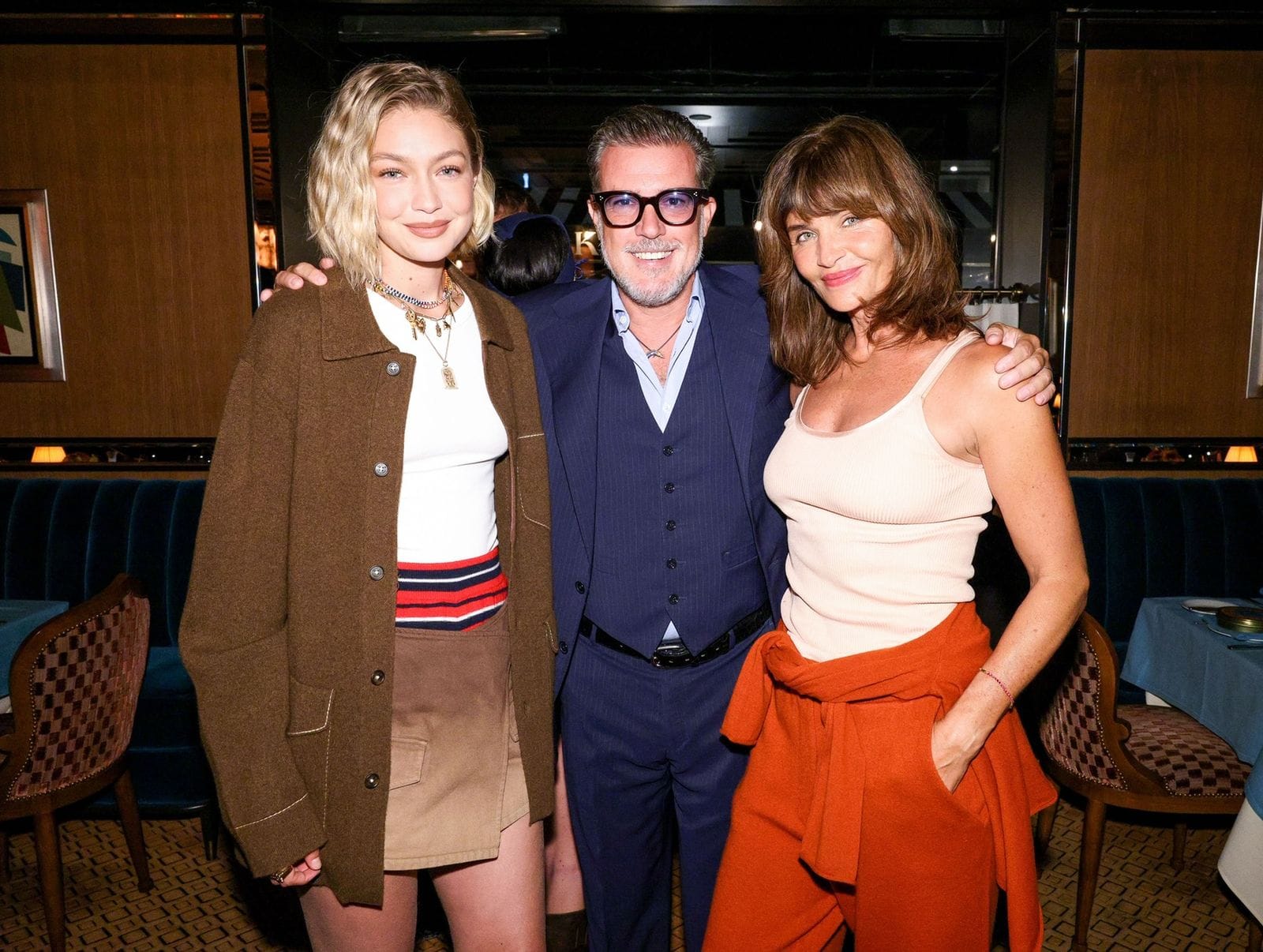
And yet, brands keep trying. Every fashion week, there's a new pop-up, a new collaboration, a new experiential activation that promises to be the next insider space. Most of them are gone by next season. Because they're built for content, not utility. They're optimized for the photo, not the third dinner meeting of the day when everyone's exhausted and just needs a table that works.
This pattern mirrors what's happening across the broader creator and influence economy. Everyone is trying to become a platform, but the ones that succeed are the ones solving actual problems rather than manufacturing relevance. The difference between infrastructure and spectacle is the difference between being essential and being disposable.
The venues that last understand something fundamental: fashion doesn't need more spectacle. It needs more green rooms. It needs spaces that do the boring work of being dependable, discreet, and good at what they do. The cultural credibility comes later, as a byproduct, not as the goal.
That's the code. It requires patience and a willingness to not be the center of attention while still being essential. Most brands can't do that. The ones that can—the Chateau Marmonts, the Cecconi's, the spots that show up in the background of every fashion week dispatch—aren't trying to be famous. They're trying to be useful. In fashion, that's the more valuable position. It's also the one that pays off longer, which is why the same names keep appearing season after season while the activations and pop-ups cycle through and disappear.
The same logic applies to how brands approach hospitality during shows. The ones that understand fashion as infrastructure rather than spectacle are the ones building relationships that outlast a single season. They're not optimizing for the Instagram story. They're optimizing for the callback next year, and the year after that, when the industry needs a space that just works.