
Christina Ricci didn't workshop her response. When a right-wing influencer posted that "fat chicks vote Democrat," Ricci replied on social media by calling him a "fat-phobic piece of shit." No careful framing. No "I believe all bodies deserve respect" statement crafted by a crisis team. Just a direct, profane dismissal that felt like something an actual person would say when they're fed up.
The response went viral not because it was clever or strategic, but because it was unpolished. BuzzFeed readers latched onto the fact that Ricci's reaction felt genuine — like she typed it herself, got mad, and hit send. In an era when every celebrity statement reads like it passed through three rounds of legal review, that rawness is the thing audiences trust most. The unfiltered clapback has become the new authenticity signal, and it's working better than any carefully managed brand campaign.
This isn't new territory for internet culture. Audiences have been rewarding celebrities who sound human over those who sound media-trained for years. But what's shifted is that the gap between "authentic" and "managed" has become so wide that even minor deviations from PR-speak register as radical honesty. When Chappell Roan's team had to fight bot-driven smear campaigns, her unscripted responses to invasive fan behavior felt more credible than any statement her publicist could have written. When Zendaya and Law Roach let marriage rumors circulate without immediate denial, the silence itself became part of their brand narrative. The strategic move is now to let the mess show.
Ricci's response works because it's proportional to the offense. She didn't elevate the troll by treating his comment as worthy of a thoughtful rebuttal. She didn't ignore it and let the silence become its own story. She just called him what he is and moved on. That's the tonal register that reads as real now — not because it's kind or measured, but because it's what most people would actually say if they weren't worried about their Wikipedia page.
The irony is that "unfiltered" is now a brand strategy in itself. Publicists are learning that the appearance of spontaneity is more valuable than the polish they used to sell. The challenge is that you can't fake unfiltered — audiences can smell a rehearsed "candid" moment from a mile away. The celebrities who pull this off are the ones who either don't care about the consequences or have enough industry capital that a profane clapback won't cost them work. Ricci has both. She's been working steadily for three decades, has zero interest in being likable to everyone, and has never positioned herself as a role model. That freedom is what makes her response feel credible.
What this moment reveals about celebrity communication is that the old playbook — the one where you rise above, take the high road, and never acknowledge the trolls — has lost its cultural cache. When JAY-Z had to defend Blue Ivy's work ethic on a press tour, he didn't pretend the nepo baby discourse didn't exist. He addressed it directly, with the same tone he'd use in a private conversation. That's the shift. Audiences want to see the human reaction, not the corporate one.

The risk, of course, is that unfiltered can become unhinged. There's a difference between calling out misogyny with a well-placed expletive and spiraling into a multi-day Twitter feud that ends with apologies and deleted accounts. The celebrities who navigate this successfully know where the line is. Ricci's response was profane but proportional. It didn't punch down. It didn't speculate on the influencer's personal life or body. It just named the behavior and dismissed it. That's the formula: be direct, be specific, and then move on.
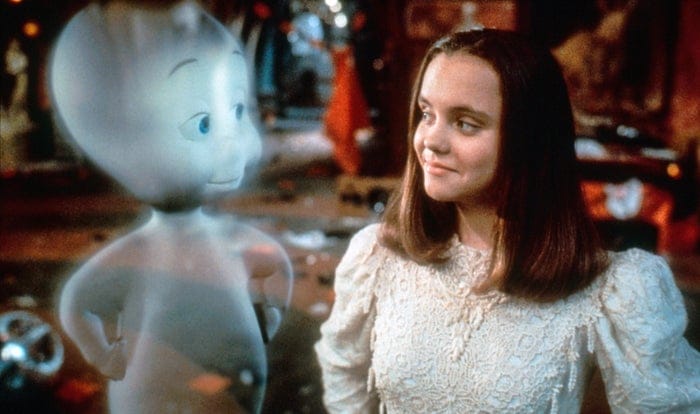
What's emerging is a new kind of celebrity PR strategy where the goal isn't to avoid controversy — it's to control the tone of the response. The publicist's job is no longer to prevent the star from saying anything messy. It's to make sure that when they do, it sounds like them and not like a committee. The most successful celebrity teams now are the ones who let their clients be themselves in public, profanity and all, because that's what reads as trustworthy. The polished statement is dead. The unfiltered clapback is the new press release.