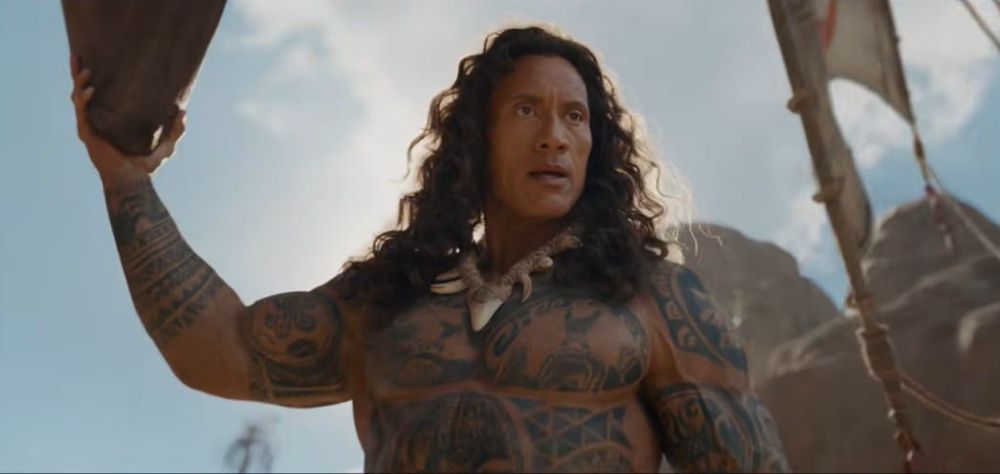
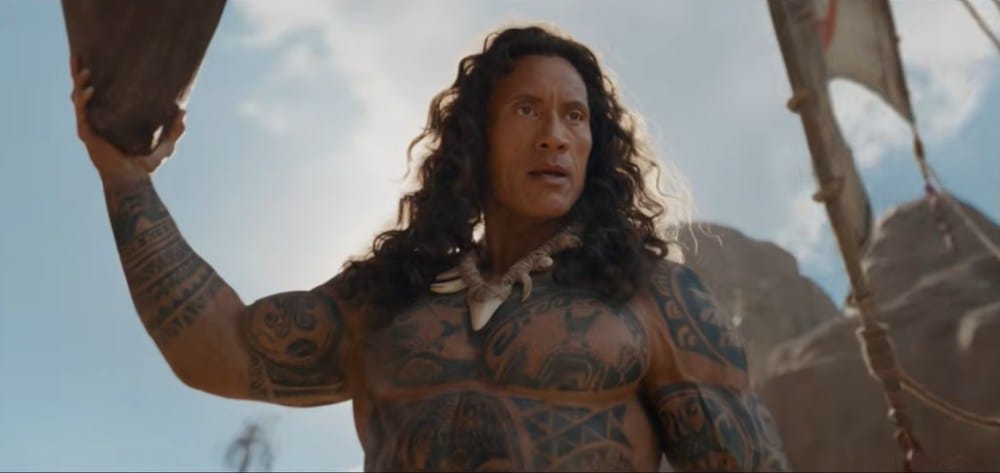
Dwayne Johnson's curly wig in Disney's live-action Moana became an instant meme the moment the trailer dropped. Social media users didn't hold back—the look was compared to everything from Party City costumes to low-budget cosplay. The criticism was swift, specific, and loud enough that it felt like the kind of moment that typically triggers a studio scramble: reshoots, digital touch-ups, damage control interviews. But according to Variety, Disney has no plans to make any creative changes to the film. The wigs stay. The look stays. The studio heard the noise—and decided it didn't matter.
This isn't Disney being stubborn. It's Disney running the numbers and realizing that online backlash and actual audience behavior have almost no correlation anymore. The same pattern played out with the Harry Potter reboot casting, where fan outrage dominated discourse for weeks before the show's first-look images became some of HBO's most-engaged content. Social media creates the illusion of consensus—a few thousand quote-tweets feel like a movement—but they rarely translate to box office impact. Disney knows this. They've seen The Little Mermaid survive racist review-bombing to gross $569 million worldwide. They've watched Snow White generate endless controversy and still become one of their most-anticipated releases. The noise doesn't move the needle.
What's more interesting is how this decision reflects a broader shift in how studios manage public perception. A decade ago, fan backlash could force creative pivots—Sonic the Hedgehog famously redesigned its lead character after trailer mockery in 2019. But that was a different era, when studios still believed social media sentiment was a reliable proxy for audience opinion. Now, they have better data. Streaming metrics, pre-sale tracking, and audience research panels give studios a much clearer picture of what actually drives ticket sales. And increasingly, that data shows that the people complaining loudest online are often not the people buying tickets. Disney's refusal to budge on Moana isn't arrogance—it's evidence-based confidence.
The wig controversy also highlights how much of online discourse is driven by aesthetics rather than substance. The criticisms weren't about cultural representation, casting choices, or narrative fidelity—they were about whether Dwayne Johnson's hairpiece looked convincing in a two-minute trailer. It's the kind of surface-level critique that generates engagement but rarely indicates deeper audience concerns. Compare that to the backlash Disney faced over representation in earlier adaptations, which carried actual cultural and political weight. The studio has learned to distinguish between critiques that signal real audience priorities and critiques that are just Twitter doing what Twitter does: finding something to dunk on for 48 hours before moving to the next thing.
There's also a practical reality at play: by the time a trailer drops, the film is essentially locked. Post-production timelines for a tentpole release like Moana are measured in months, not weeks. Reshoots are prohibitively expensive, and digital alterations of practical elements like wigs would require frame-by-frame VFX work that could easily cost millions. Disney ran the cost-benefit analysis and decided that appeasing a vocal subset of Twitter users wasn't worth delaying the release or blowing the budget. The studio has bigger structural concerns—like whether theatrical releases can still justify their budgets in a streaming-first world—than whether Johnson's wig passes the internet's aesthetic litmus test.
The decision also reinforces Disney's broader strategy of treating its live-action remakes as brand maintenance rather than creative reinvention. These films exist to extend IP value, refresh generational nostalgia, and keep Disney+ libraries stocked with premium content. Whether they're critically acclaimed or aesthetically divisive is secondary to whether they perform well enough to justify the investment. Moana has built-in demand—the original grossed $643 million and became a streaming juggernaut. A few unflattering wig memes aren't going to erase that equity. Disney knows the film will open big regardless, and if the wigs become a punchline, that's just free marketing.
What's most telling is how quickly the backlash cycle has accelerated. The trailer dropped, the memes flooded in, Variety reported that no changes were coming, and within days the conversation had already moved on. That's the other thing Disney has figured out: online outrage has a shelf life measured in hours. By the time Moana hits theaters, the wig discourse will be ancient history, replaced by whatever the next trailer controversy is. The studio doesn't need to win the argument—it just needs to wait it out.
This isn't to say Disney is immune to public pressure. The company has responded to backlash when it aligns with measurable financial risk or threatens brand partnerships. But the threshold for what constitutes real risk has shifted. Studios are no longer treating every viral moment as a crisis. They're distinguishing between noise and signal, between performative outrage and genuine audience concern. Disney's Moana decision suggests the studio has crossed a line: it no longer believes that what trends on social media has any predictive value for what succeeds in theaters. And if the box office proves them right, every other studio will follow.