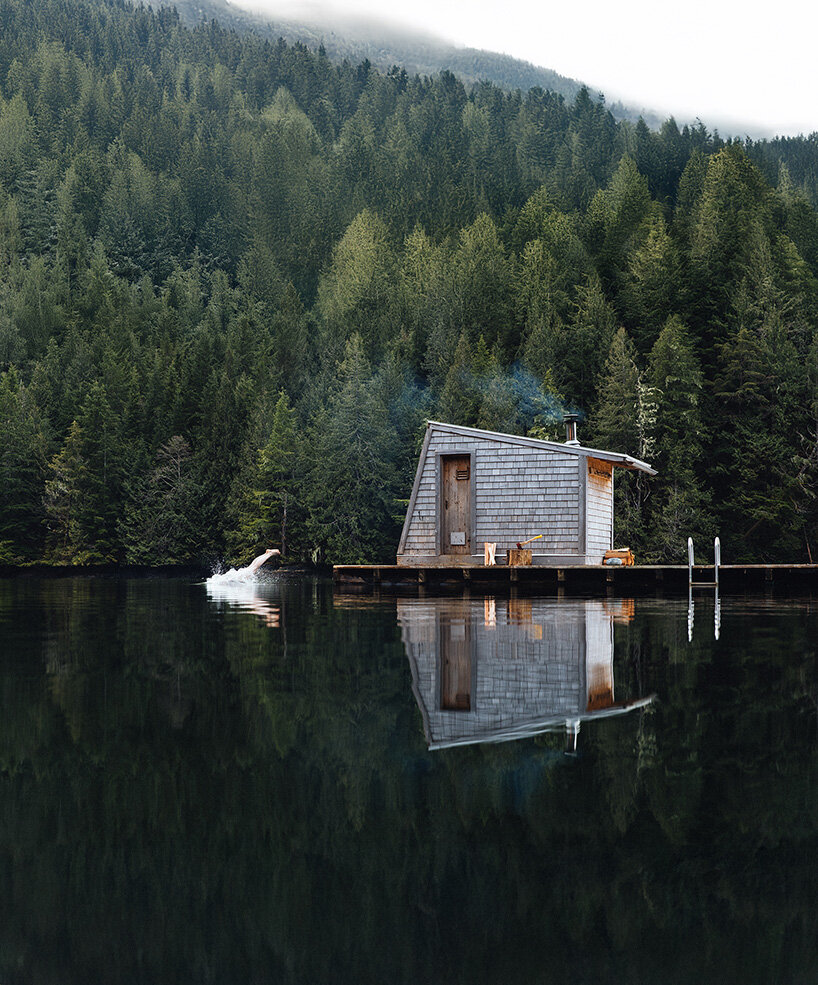
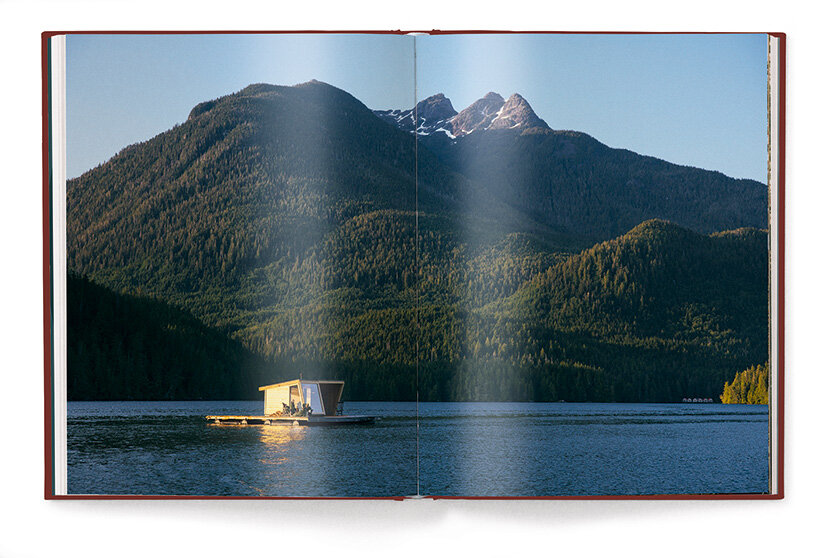
The cover of Ridiculously Good-Looking Saunas, published by Berlin-based Gestalten, features a minimalist timber structure perched on a rocky Nordic coastline—all clean lines, natural materials, and the kind of serene emptiness that signals luxury without saying it out loud. Inside, according to Designboom, are 36 design-led thermal retreats from around the world, curated by Christopher Selman into what the publisher frames as a visual survey of contemporary sauna design. The title—borrowed from Zoolander, whether intentionally or not—positions the book somewhere between architectural documentation and aspirational lifestyle content. That tension is the point.
Gestalten has built a reputation as one of the most influential design publishers in the world, known for elegant monographs on architecture, graphic design, and visual culture. But over the past decade, the publisher's output has increasingly leaned into wellness, slow living, and what might be called "retreat culture"—books about cabins, tiny houses, off-grid living, and now saunas. This isn't a side project. It's a genre shift. Architectural publishing, once concerned with documenting the built environment and interrogating design's social function, has increasingly become a vehicle for selling lifestyle aspiration. The sauna book is just the latest—and perhaps most literal—example of that transformation.
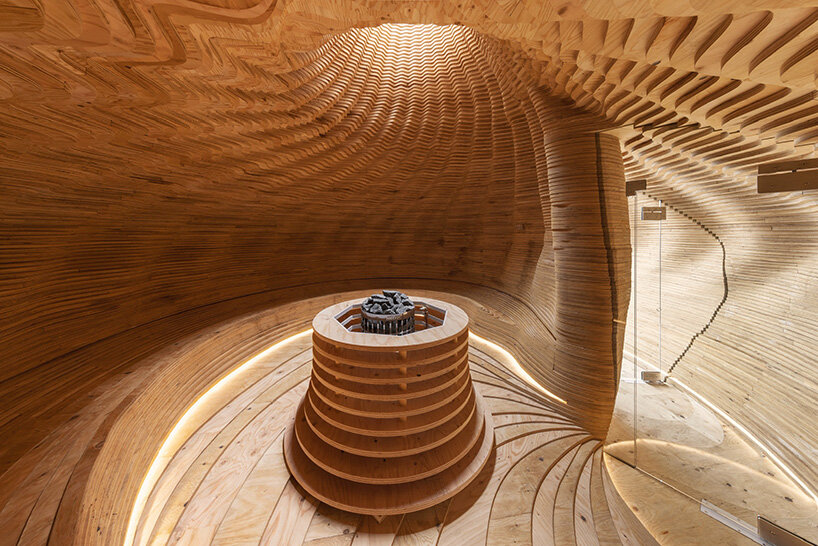
The sauna, as a subject, sits at the intersection of architecture, wellness, and cultural performance. It's a structure, yes, but it's also a ritual, a status symbol, and increasingly, a brand accessory. The contemporary sauna isn't just about heat and steam—it's about signaling a relationship to slowness, to nature, to self-care as both practice and aesthetic. That makes it perfect material for the kind of design publishing that has become less about critical discourse and more about curating desire. The book's title makes that explicit: these aren't just functional thermal structures. They're ridiculously good-looking—a framing that prioritizes visual appeal and Instagram readiness over architectural innovation or cultural context.
This shift mirrors what's happened across design media more broadly. Publications and publishers that once centered architectural theory, urban planning, and social housing have increasingly pivoted toward content that serves the wellness-industrial complex. The same forces reshaping the art market—where collectors increasingly buy art as lifestyle branding rather than cultural engagement—are at work here. The sauna book isn't about advancing architectural discourse. It's about feeding a market of consumers who want to feel connected to a certain aesthetic and the values it represents, without necessarily engaging with the systems that produce it.
What makes this particularly revealing is how seamlessly wellness culture has absorbed architectural language. Terms like "retreat," "sanctuary," and "slow living" have become marketing copy, deployed to sell everything from $10,000 prefab cabins to luxury hotel stays. The sauna—once a vernacular structure rooted in specific cultural practices, particularly in Nordic countries—has been repackaged as a universal symbol of intentional living. Selman's book, by showcasing 36 examples from around the world, reinforces that universality. It strips the sauna of its cultural specificity and presents it as a design typology available for global consumption. That's not inherently bad, but it is a very particular editorial choice—one that aligns with the aestheticization of wellness rather than its democratization.
The question isn't whether people should enjoy beautiful saunas or whether publishers should create books that celebrate them. The question is what happens when architectural publishing becomes indistinguishable from lifestyle branding. When the primary lens for evaluating a structure is whether it's "ridiculously good-looking" rather than whether it serves a social function, advances material innovation, or interrogates spatial politics, the discourse narrows. Design becomes decoration. Architecture becomes backdrop. And the built environment becomes another category of aspirational content, consumed visually rather than inhabited critically.
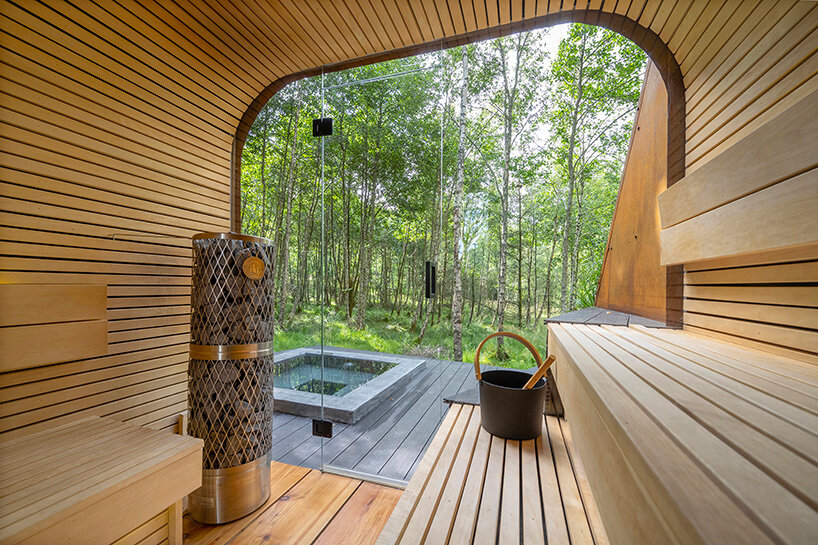
Gestalten's sauna book will likely sell well—because it's gorgeous, because saunas are having a moment, and because there's a hungry audience for design content that makes them feel aligned with a certain aesthetic and lifestyle. But its success also signals where architectural publishing is heading: away from critical engagement and toward curated aspiration. The sauna, in that sense, becomes a perfect metaphor—a space designed for retreat, where the outside world and its complications are temporarily left behind.
For more, see the best design hotels in LA and starting an art collection.