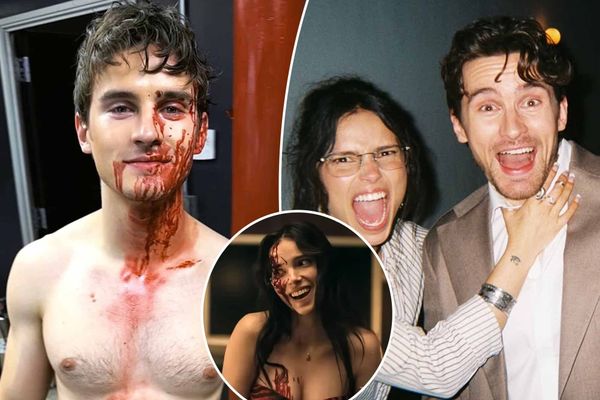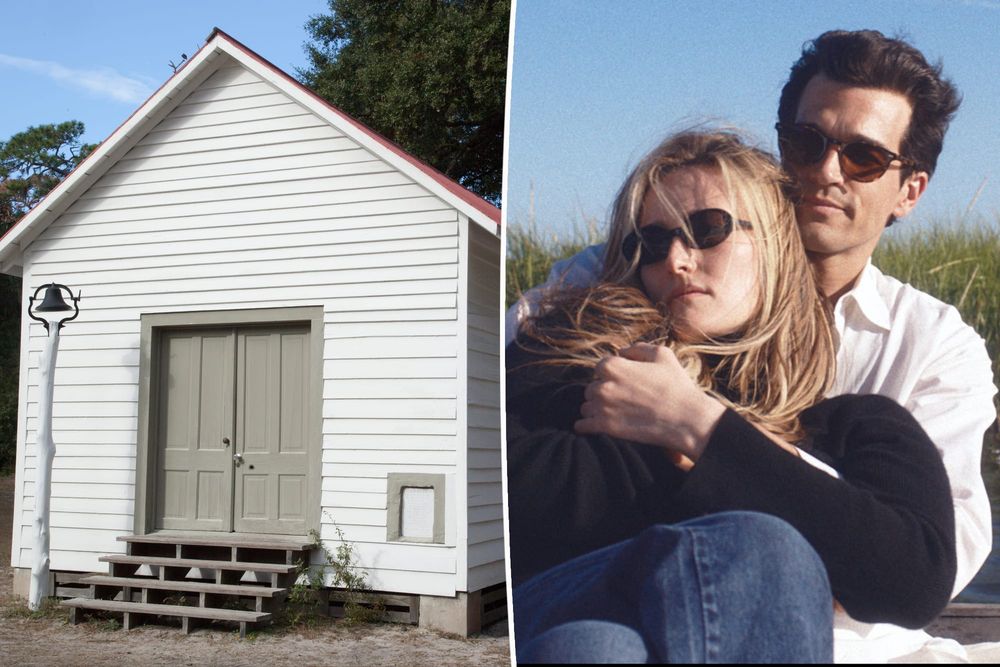
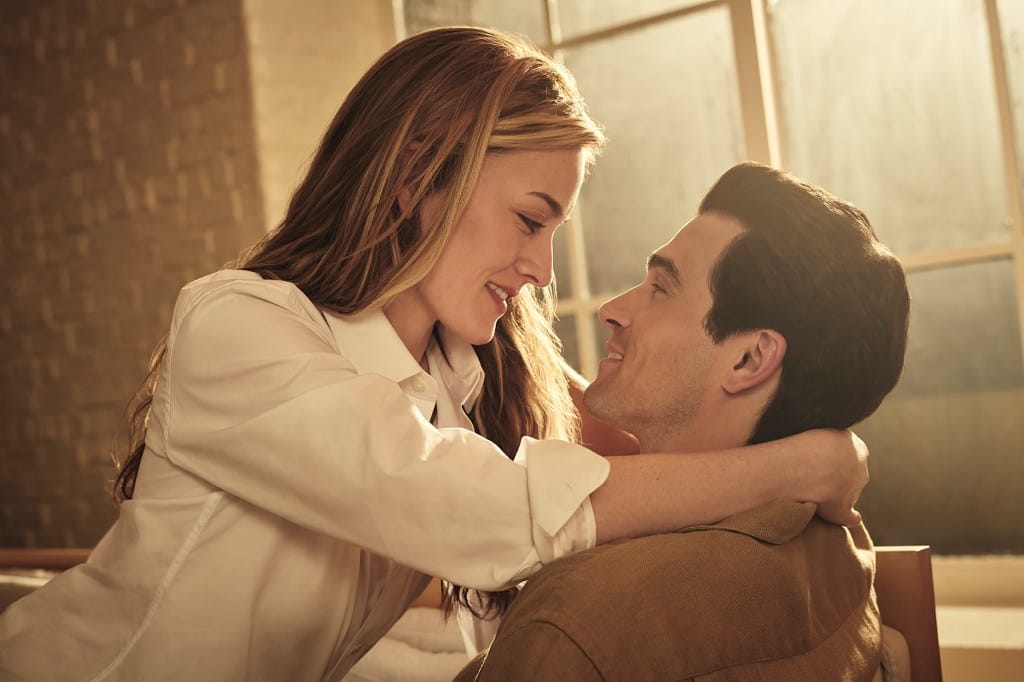
The real wedding of John F. Kennedy Jr. and Carolyn Bessette took place on September 21, 1996, in a tiny chapel on Cumberland Island, Georgia, with 40 guests and a press blackout so airtight that the world didn't know until it was over. Thursday's episode of FX's Love Story, titled "The Wedding," recreated that ceremony for an audience of millions—complete with Paul Anthony Kelly as Kennedy and Sarah Pidgeon as Bessette, walking down an aisle that was once guarded like a state secret.
The irony is built into the premise. Kennedy and Bessette went to extraordinary lengths to keep their wedding private, specifically to escape the kind of public consumption that prestige television now treats as cultural archaeology. They chose an island accessible only by boat, invited a carefully vetted guest list, and reportedly threatened legal action against anyone who leaked details. The ceremony was so intimate that even some close friends didn't know it had happened until they saw the tabloid photos days later. Love Story takes that privacy and turns it into a set piece—not as exploitation, necessarily, but as the natural endpoint of how historical drama now functions in the streaming era.
This is what prestige TV does with historical intimacy: it treats private moments as public inheritance. The logic is that these people were famous, their lives were documented, and enough time has passed that their story belongs to culture now. That's not entirely wrong—Kennedy was American royalty, Bessette became a style icon, and their deaths in 1999 made their relationship a permanent object of fascination. But there's a difference between cultural significance and narrative entitlement, and Love Story walks that line every week. The show doesn't just dramatize their relationship; it recreates the specific texture of moments they worked to keep off the record.
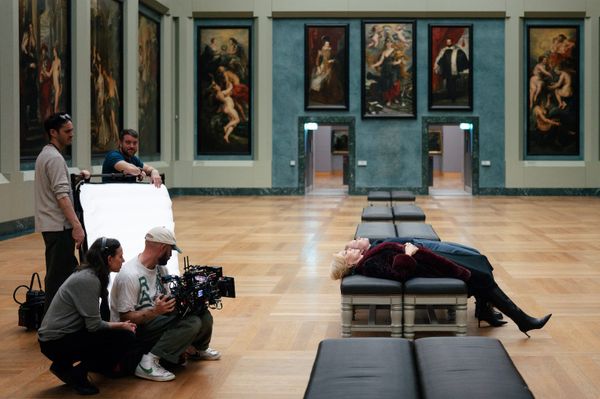
The wedding episode is the clearest example yet. According to Page Six, the production went to significant lengths to match the aesthetic and emotional tone of the original ceremony—the small chapel, the candlelight, the sense of a couple trying to carve out something that belonged only to them. But it also added what the real wedding didn't have: cameras, lighting rigs, a script, and the structural requirement that this intimate moment deliver on nine episodes of romantic buildup. The episode had to function as both historical recreation and satisfying television, which means it had to give viewers the emotional payoff of witnessing something they were never meant to see.
This isn't unique to Love Story. It's the operating model for most biographical drama now. The Crown built an entire franchise on recreating private conversations between royals who are still alive. Pam & Tommy dramatized a stolen sex tape. Inventing Anna turned trial transcripts into character studies. Each one makes the same implicit argument: that public figures forfeit privacy in retrospect, and that enough cultural distance makes intimacy fair game. The more private the original moment, the more valuable it becomes as content—because privacy is exactly what audiences are paying to access.
The question isn't whether these shows should exist. They do, and they will continue to, because the appetite for historical drama has never been stronger and the streaming economy demands premium content with built-in cultural recognition. The question is what happens when the entire back catalog of celebrity life becomes raw material for prestige television. Love Story is well-made, thoughtfully acted, and clearly interested in treating Kennedy and Bessette as full people rather than tabloid archetypes. But it's also proof that no amount of care changes the fundamental transaction: a couple who fought to keep their wedding private now has that privacy recreated, performed, and distributed as entertainment.

The wedding episode works as television because it understands what made the original moment compelling—not the celebrity of it, but the human desire to protect something from the noise. Kelly and Pidgeon play the scene with restraint, and the episode builds toward the ceremony with the kind of quiet tension that respects the stakes. But the fact that it works as television is exactly the problem. The better the recreation, the more it justifies the intrusion. The more it captures the intimacy of the original, the more it monetizes what that intimacy was trying to escape.
What Love Story reveals is that prestige TV has turned historical privacy into a genre. The more fiercely someone guarded their personal life, the more compelling that life becomes as drama. The more they resisted public consumption, the more their resistance becomes the story. And the result is a cultural ecosystem where the only thing more valuable than fame is the privacy someone tried to keep despite it—because that's the last thing audiences haven't already seen.
For more, see the Carolyn Bessette wedding dress that changed bridal fashion and how nichecasting replaced the monoculture.