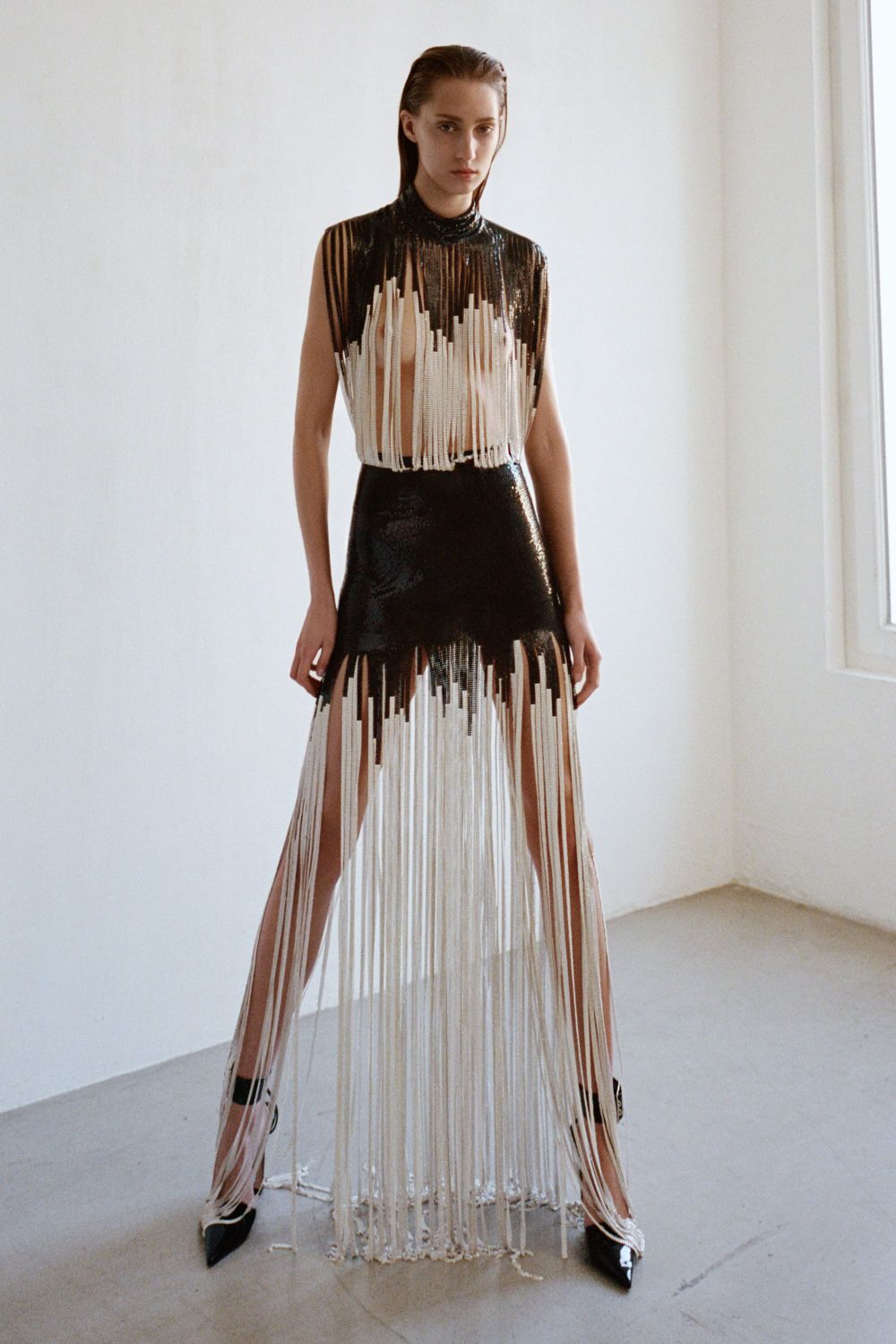
Ludovic de Saint Sernin's Fall 2026 ready-to-wear collection, presented during Paris Fashion Week, featured sheer mesh tops layered over bare skin, leather harnesses worn as outerwear, and tailoring cut so precisely it functioned as both armor and invitation. The designer built his career on translating queer nightlife aesthetics into luxury fashion—and this season proved the rest of the industry has finally caught up to what he's been selling for years.
What makes Saint Sernin's work culturally significant isn't just that he designs for desire. It's that he arrived at a moment when the visual language of queer sensuality—body-conscious silhouettes, fetish references, unapologetic sexuality—has become the aesthetic framework luxury brands use to signal relevance. The harness isn't subversive anymore. It's on the runway at Dior. The sheer top isn't provocative. It's a wardrobe staple. Saint Sernin didn't invent these codes, but he was one of the first designers to treat them as high fashion rather than costume, and the industry's embrace of his aesthetic represents a fundamental shift in what luxury is allowed to look like.
This collection leaned into that tension. The tailoring was sharp enough to pass in a boardroom. The fabrication was luxurious enough to justify the price point. But the fit—second-skin knits, exposed torsos, trousers slung low on the hips—was designed for the kind of confidence that only comes from knowing exactly what you're selling and who you're selling it to. Saint Sernin's customer isn't buying discretion. They're buying visibility. And in 2026, that's what luxury fashion is increasingly about: giving people the tools to be seen on their own terms.
The broader industry adoption of queer aesthetics has been uneven. Some brands treat it like trend forecasting—add a harness, call it edgy, move on. Others, like Michael Rider's Celine, are genuinely rethinking what desire looks like in luxury fashion. But Saint Sernin's work operates differently. He's not translating queer culture for a mainstream audience. He's designing for the people who created the culture in the first place, and the fact that everyone else wants in is secondary. The collection's success—and the broader appetite for this aesthetic—suggests that the most commercially viable luxury fashion right now is the kind that refuses to apologize for who it's for.
What's notable is how quickly this became the industry standard. Five years ago, Saint Sernin's aesthetic was niche. Now it's the visual language brands use to signal taste. The harness moved from the club to the runway to the Instagram ad in less than a decade. The sheer mesh top is now as ubiquitous as the white T-shirt. And the body-conscious silhouette—once coded as too sexual, too gay, too much—is now the shape luxury fashion defaults to when it wants to look contemporary. Saint Sernin didn't cause that shift, but his work clarified it. He made it clear that queer sensuality wasn't a trend to borrow—it was a design language with its own internal logic, its own craft, its own standards.
The collection also made a case for why this aesthetic has staying power. It's not just about shock value or provocation. It's about precision. The tailoring in Saint Sernin's work is as rigorous as anything coming out of Savile Row. The fabrication is as considered as anything at Hermès. The difference is that he's using those tools to build something that looks like desire instead of discretion. And in a fashion landscape where quiet luxury has dominated for years, that feels like the only move left that still registers as luxury.
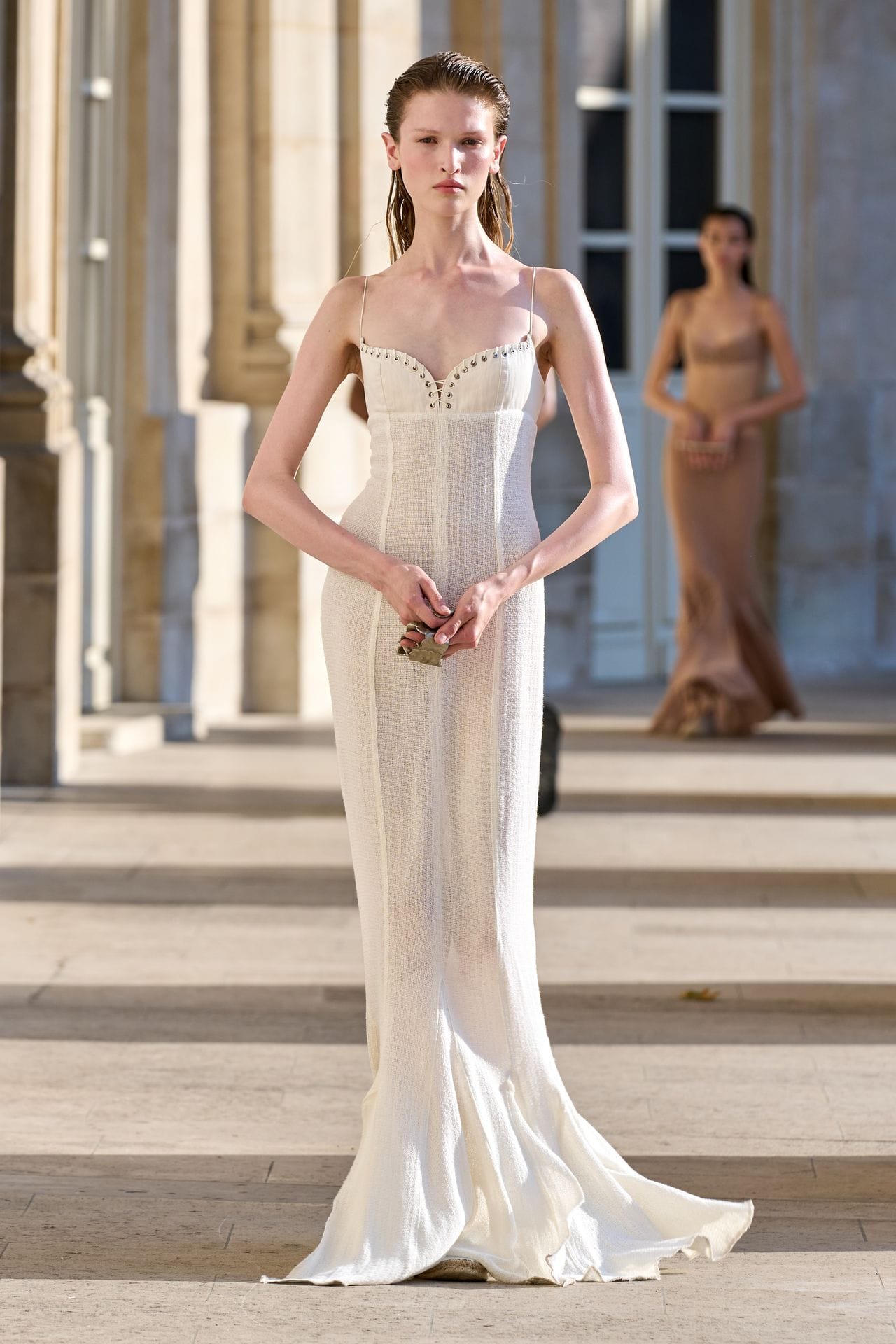
The risk for Saint Sernin is the same risk facing any designer whose aesthetic gets widely adopted: once everyone else is doing a version of your thing, what's left that's actually yours? The Fall 2026 collection suggested he's aware of that tension. The silhouettes were sharper, the tailoring more architectural, the references more specific. He's not just designing clothes that look sexy. He's designing clothes that require a certain fluency to read—clothes that reward the people who know where the references come from and what they originally meant. That's a more sustainable strategy than chasing shock value. It builds loyalty instead of virality.
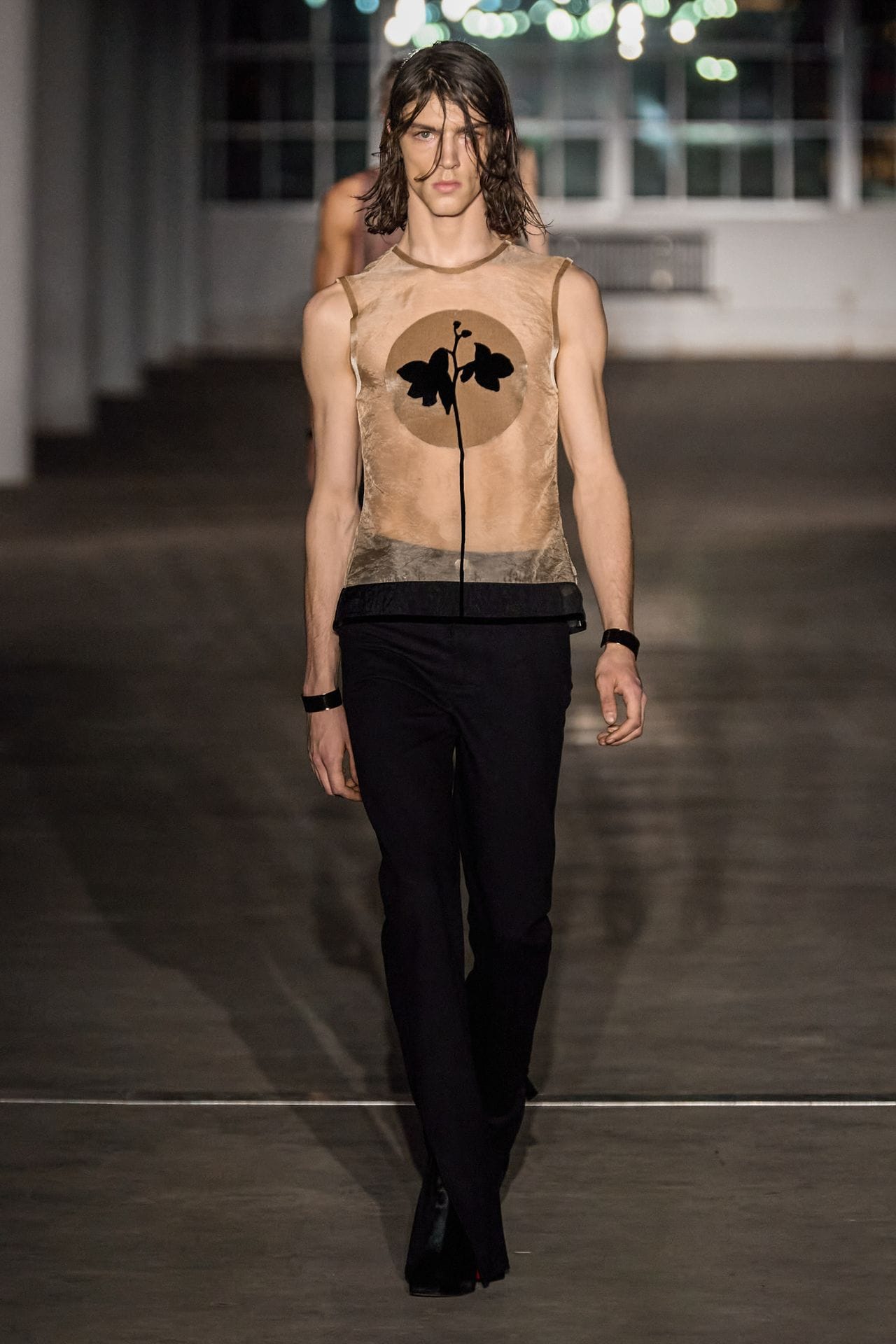
What the collection ultimately demonstrated is that queer sensuality isn't a niche market anymore—it's the aesthetic framework luxury fashion uses when it wants to look like it understands contemporary desire. Saint Sernin didn't make that happen alone, but his work clarified the terms. He showed that you could design for the club and the runway without compromising either. And in 2026, that's not just good design. It's the business model everyone else is now trying to replicate.